

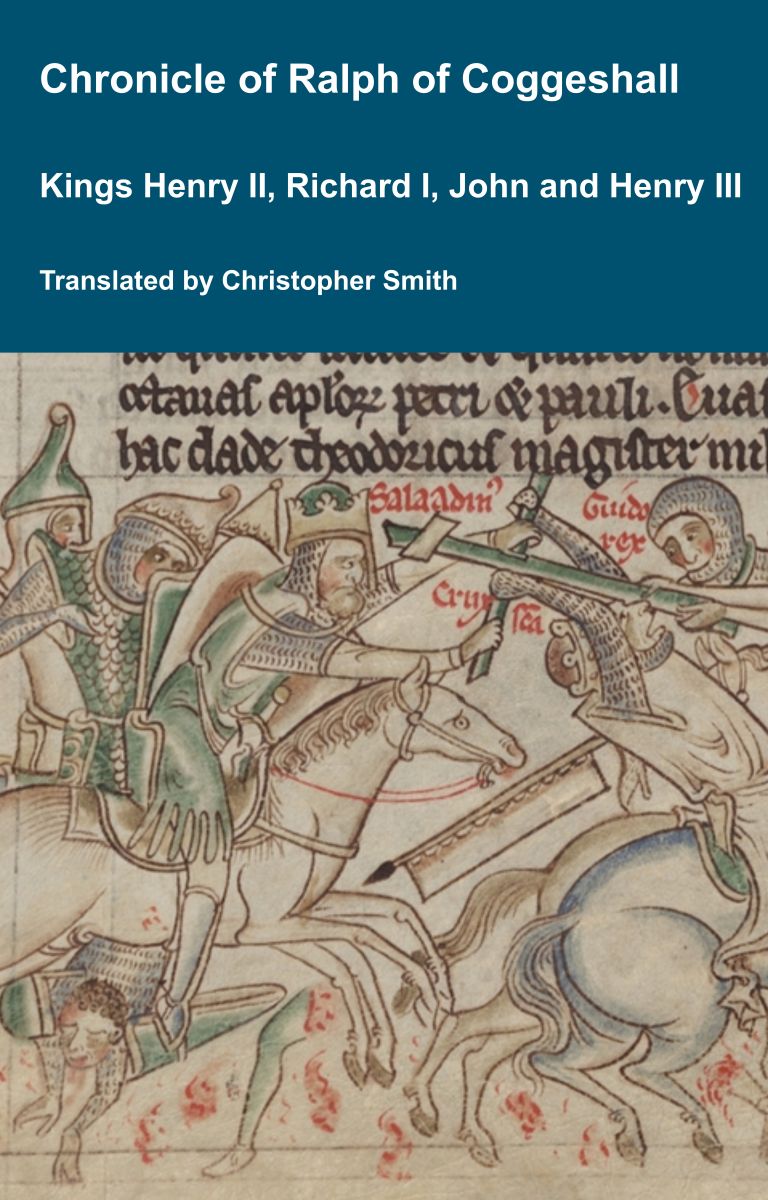
Chronicle of Abbot Ralph of Coggeshall
The Chronicle of Abbot Ralph of Coggeshall (Chronicon Anglicanum) is an indispensable medieval history that brings to life centuries of English and European affairs through the eyes of a learned Cistercian monk. Ralph of Coggeshall, abbot of the Abbey of Coggeshall in Essex in the early 13th century, continued and expanded his community’s chronicle, documenting events from the Norman Conquest of 1066 into the tumultuous reign of King Henry III. Blending eyewitness testimony, careful compilation, and the monastic commitment to record-keeping, this chronicle offers a rare narrative of political intrigue, royal power struggles, and social upheaval in England and beyond. Ralph’s work captures the reigns of pivotal figures such as Richard I and King John, providing invaluable insights into their characters, decisions, and the forces that shaped medieval rule. More than a simple annal, Chronicon Anglicanum conveys the texture of medieval life and governance, making it a rich source for scholars and readers fascinated by English history, monastic authorship, and the shaping of the medieval world.
Available at Amazon in eBook and Paperback format.
Chronicle of Greyfriars 1552 is in Chronicle of Greyfriars.
22nd January 1552. Item the xxij. day of the same monyth was be[heddyd] at the Towre hyll [Map] before viij. a clocke Edwarde deuke of Somersett (age 52) [erle of Hertjforde and unkyll unto the kynges (age 14) grace]. And also there was a commandment thorrow London that alle howsolders with their servantes shulde kepe their howses unto it was ....


24th December 1551. Item on Crystmas evyn was made a proclamacion that no man shulde make qwoyne [Note. Coin], nore send beyond see, in payne of dethe.
4th January 1552. Item the iiij th day of January [1551-2] the lorde of Crystmas [Note. Probably George Ferrars: as in the following year.] of the kynges howse came thorrow London and thorrow Scheppesyde [Map], and soo to the lorde mayer's to denner, and dyvers of hys corte was devydyd, some to the sherffes and to dyvers aldermen; and agayne after none was made a scaffolde at the crosse in Schepesyde, and thether he came and made hys proclamacion.
19th February 1552. Item the xix. day of February was a man slayne within Powlles churcheyerde [Map].
26th February 1552. Item the xxvj. day of the same monyth, the which was fryday, was hanged at Towre hylle sir Myllys Partryge knyght, the wych playd wyth kynge Henry the viiite at dysse for the grett belfery that stode in Powlles church-yerdea; and sir Raffe Vane, theys too ware hanged. Also sir Myhyll Stonnappe (age 45) and sir Thomas Arndelle (age 50), theys too ware beheddyd at that same tyme. And theis iiij. knyghttes confessyd that they ware never gyltd for soche thynges as was layd unto their charge, and dyde in that same oppinion.
The daye before endyd the parlament.
Note a. "Neere unto this schoole (St. Paul's) on the north side thereof, was (of old time) a great and high Clochier or Bell-house, foure-square, builded of stone, and in the same a most strong frame of timber, with foure bells, the greatest that I have heard; these were called Jesus' bells, and belonged to Jesus' Chappell, but I know not by whose gifte. The same had a great spire of timber covered with lead, with the image of Saint Paul on the top, but was pulled down by sir Miles Partridge knight, in the reigne of Henry the Eighth. The common speech was, that hee did set one hundred pounds upon a cast at dice against it, and so wonne the said clochier and bells of the king, and then causing the bells to be broken as they hung, the rest was pulled downe." Stowe's Survay.
26th April 1552. Item the xvj. day of Aprill was Ester evyn, and that day rydde a woman in a carte abowte London that dwelte in Aldersgate strete that made aqwavyte [Note. aqua vitae], for cardynge of hare mayde wyth a payer of carddes soche as doth carde wolle with-alle, and was sende unto warde agayne.
23rd December 1552. Item the .... day of thys same monyth d the chylderne was put in the howse that was some tyme the Grayfreres.