

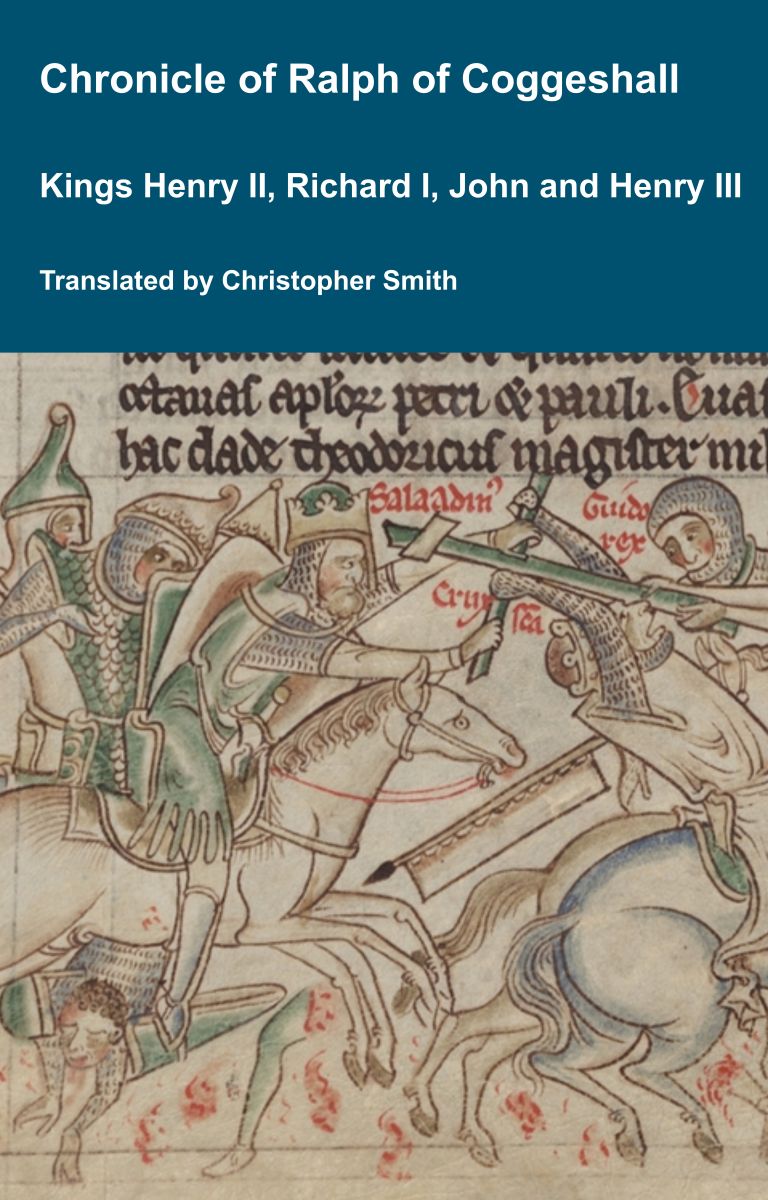
Chronicle of Abbot Ralph of Coggeshall
The Chronicle of Abbot Ralph of Coggeshall (Chronicon Anglicanum) is an indispensable medieval history that brings to life centuries of English and European affairs through the eyes of a learned Cistercian monk. Ralph of Coggeshall, abbot of the Abbey of Coggeshall in Essex in the early 13th century, continued and expanded his community’s chronicle, documenting events from the Norman Conquest of 1066 into the tumultuous reign of King Henry III. Blending eyewitness testimony, careful compilation, and the monastic commitment to record-keeping, this chronicle offers a rare narrative of political intrigue, royal power struggles, and social upheaval in England and beyond. Ralph’s work captures the reigns of pivotal figures such as Richard I and King John, providing invaluable insights into their characters, decisions, and the forces that shaped medieval rule. More than a simple annal, Chronicon Anglicanum conveys the texture of medieval life and governance, making it a rich source for scholars and readers fascinated by English history, monastic authorship, and the shaping of the medieval world.
Available at Amazon in eBook and Paperback format.
In 1769 Charles Ewart was born.
On 18th June 1815, at the Battle of Waterloo, Charles Ewart (age 46) captured the Regimental Eagle of the 45e Régiment de Ligne. One of the most prized honours of the Scots Greys and, in commemoration of this, their cap badge shows the Eagle. The Eagle is now in Edinburgh Castle Museum. It is one of two Regimental Eagles captured during the Waterloo Campaign.
On 23rd March 1846 Charles Ewart (age 77) died. His body was buried in the New Jerusalem Chapel graveyard in Bolton Street, Salford. His memorial read "In Memory of Ensign Charles Ewart, who departed March 23, 1846, aged 77 years". The grave was paved over and forgotten for many years,
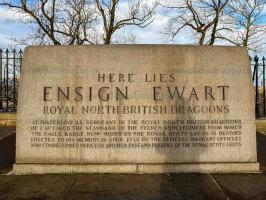
In 1938 the grave of Charles Ewart was uncovered, and his body was reburied by the Royal Scots Greys (as they were then titled) on the esplanade of Edinburgh Castle; the Ensign Ewart Monument [Map].