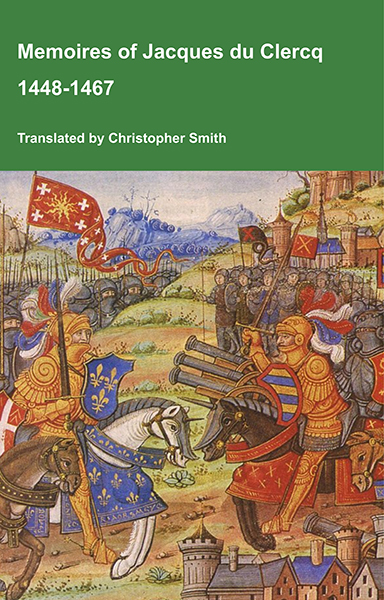
This is a translation of the 'Memoires of Jacques du Clercq', published in 1823 in two volumes, edited by Frederic, Baron de Reissenberg. In his introduction Reissenberg writes: 'Jacques du Clercq tells us that he was born in 1424, and that he was a licentiate in law and a counsellor to Philip the Good, Duke of Burgundy, in the castellany of Douai, Lille, and Orchies. It appears that he established his residence at Arras. In 1446, he married the daughter of Baldwin de la Lacherie, a gentleman who lived in Lille. We read in the fifth book of his Memoirs that his father, also named Jacques du Clercq, had married a lady of the Le Camelin family, from Compiègne. His ancestors, always attached to the counts of Flanders, had constantly served them, whether in their councils or in their armies.' The Memoires cover a period of nineteen years beginning in in 1448, ending in in 1467. It appears that the author had intended to extend the Memoirs beyond that date; no doubt illness or death prevented him from carrying out this plan. As Reissenberg writes the 'merit of this work lies in the simplicity of its narrative, in its tone of good faith, and in a certain air of frankness which naturally wins the reader’s confidence.' Du Clercq ranges from events of national and international importance, including events of the Wars of the Roses in England, to simple, everyday local events such as marriages, robberies, murders, trials and deaths, including that of his own father in Book 5; one of his last entries.
Available at Amazon in eBook and Paperback format.
On 11th October 1872 Emily Wilding Davison was born.
The Suffragette Annual. 1. March 30th, 1909, [Emily Wilding Davison (age 36)] one month for going on deputation;
The Suffragette Annual. [Emily Wilding Davison (age 36)] was arrested on great deputation together with Mrs. Pankhurst, June 29th, 1909; January 19th, 1910, won case against visiting magistrates of Strangeways Prison, Manchester; has three times hidden in House of Commons—April, 1910, in hot-air shaft, April, 1911 in crypt and also in June, 1911; marches in which took part—March, 1907, July, 1910, June, 1911 and July, 1911.
The Suffragette Annual. 2. July 30th, 1909, [Emily Wilding Davison (age 36)] two months for obstruction at Limehouse, released after five and a-half days' hunger strike;
The Suffragette Annual. 3. September 4th, 1909, [Emily Wilding Davison (age 36)] stone-throwing at White City, Manchester, two months, but released after two and a-half days' hunger strike;
The Suffragette Annual. 4. October 20th, 1909, [Emily Wilding Davison (age 37)] stone-throwing at Radcliffe, one month's hard labour on each count, hunger struck, forcibly fed, hosepipe incident in Strangeways prison and released at end of eight days;
The Suffragette Annual. 5. November 19th, 1910, [Emily Wilding Davison (age 38)] broke a window inside the House of Commons; one month, hunger struck, forcibly fed, and released after eight days.
The Suffragette Annual. 6. December 14th, 1911, [Emily Wilding Davison (age 39)] arrested for setting fire to pillar-boxes in City of Westminster; Holloway, remand one week, and
The Suffragette Annual. 7. January 10th, 1912 [Emily Wilding Davison (age 39)] for above, sentenced at Old Bailey to six months' imprisonment; hunger struck twice with others, and twice forcibly fed; released 10 days before sentence finished on account of injuries sustained in protest made against forcible feeding;
The Suffragette Annual. 8. November 30th, 1912, [Emily Wilding Davison (age 40)] sentenced to 10 days' imprisonment for assaulting a Baptist Minister by mistake for Mr. Lloyd-George at Aberdeen Station; hunger struck and released at end of 4 days' fast;
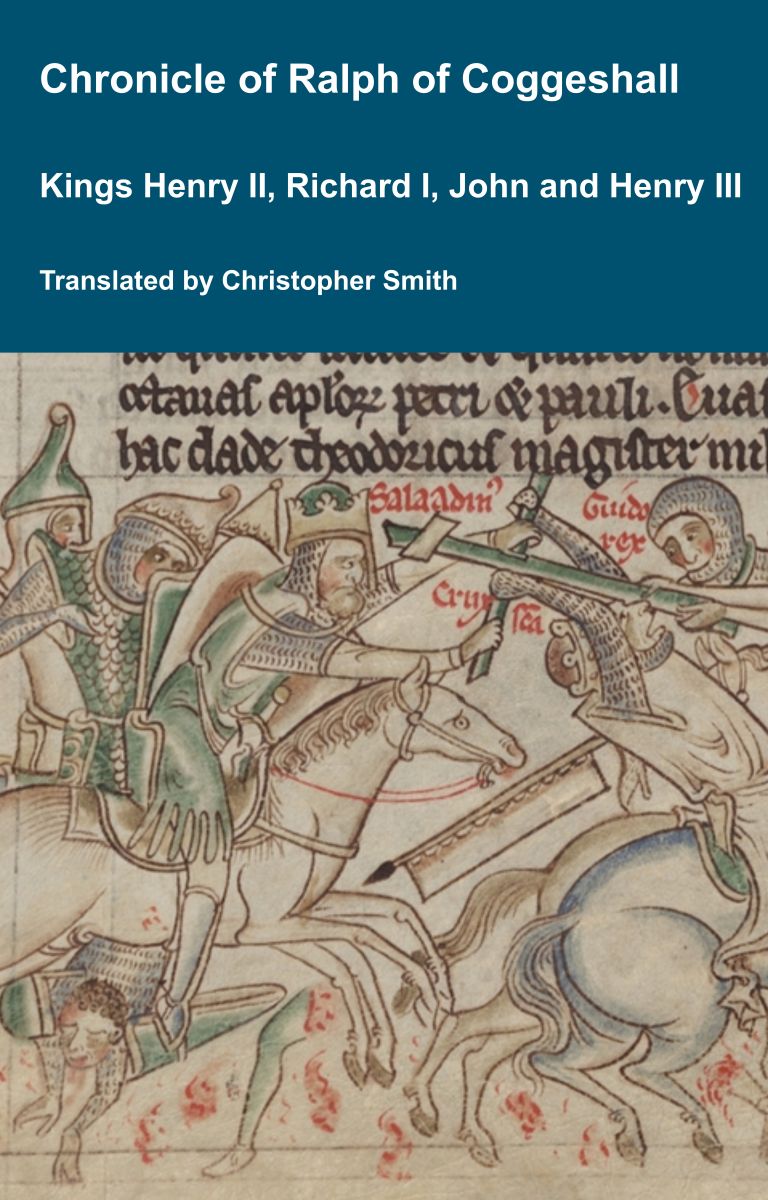
Chronicle of Abbot Ralph of Coggeshall
The Chronicle of Abbot Ralph of Coggeshall (Chronicon Anglicanum) is an indispensable medieval history that brings to life centuries of English and European affairs through the eyes of a learned Cistercian monk. Ralph of Coggeshall, abbot of the Abbey of Coggeshall in Essex in the early 13th century, continued and expanded his community’s chronicle, documenting events from the Norman Conquest of 1066 into the tumultuous reign of King Henry III. Blending eyewitness testimony, careful compilation, and the monastic commitment to record-keeping, this chronicle offers a rare narrative of political intrigue, royal power struggles, and social upheaval in England and beyond. Ralph’s work captures the reigns of pivotal figures such as Richard I and King John, providing invaluable insights into their characters, decisions, and the forces that shaped medieval rule. More than a simple annal, Chronicon Anglicanum conveys the texture of medieval life and governance, making it a rich source for scholars and readers fascinated by English history, monastic authorship, and the shaping of the medieval world.
Available at Amazon in eBook and Paperback format.
On 4th June 1913 Emily Wilding Davison (age 40) was hit by the King's (age 48) horse Anmer after she had stepped into its path at Tattenham Corner during the Derby at Epsom Racecourse. The jockey Herbert Jones was injured. The King and Queen (age 46) were present. The King recorded in his diary "a most regrettable and scandalous proceeding". She was operated on two days later, but she never regained consciousness.

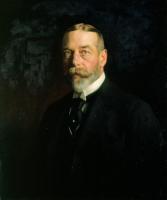


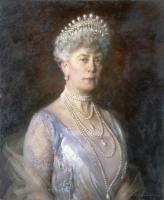


On 8th June 1913 Emily Wilding Davison (age 40) died from a fracture at the base of her skull.

14th June 1913. Coffin of Emily Wilding Davison (deceased) at Victoria Station [Map].
14th June 1913. Funeral Procession of Emily Wilding Davison (deceased) at Morpeth, Northumberland [Map].


14th June 1913. The Central News reported:
Emily Wilding Davison's (deceased) funeral procession passing Piccadilly Circus [Map], 14th June 1913. Following her tragic death, Davison was instantly embraced as a martyr to the cause. On 14 June 1913 her body was borne on an open hearse through London to a memorial service at St George's Church, Bloomsbury before being taken by train to Morpeth, Northumberland [Map] for a family funeral. The funeral procession (the last great suffrage march) was organised by fellow suffragette Grace Roe, and the memorial service was presided over by clergy from the Church League for Women's Suffrage.
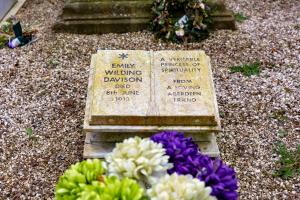
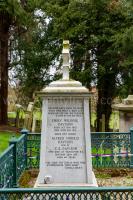
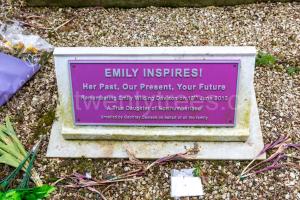
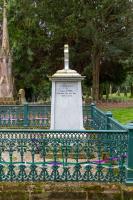
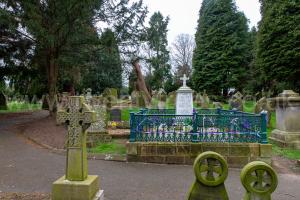
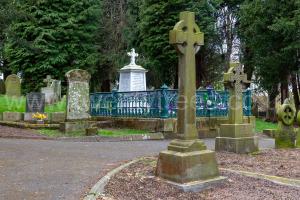
On 15th June 1913 Emily Wilding Davison (deceased) was buried at St Mary the Virgin Church Morpeth, Northumberland [Map].