

William of Worcester's Chronicle of England
William of Worcester, born around 1415, and died around 1482 was secretary to John Fastolf, the renowned soldier of the Hundred Years War, during which time he collected documents, letters, and wrote a record of events. Following their return to England in 1440 William was witness to major events. Twice in his chronicle he uses the first person: 1. when writing about the murder of Thomas, 7th Baron Scales, in 1460, he writes '… and I saw him lying naked in the cemetery near the porch of the church of St. Mary Overie in Southwark …' and 2. describing King Edward IV's entry into London in 1461 he writes '… proclaimed that all the people themselves were to recognize and acknowledge Edward as king. I was present and heard this, and immediately went down with them into the city'. William’s Chronicle is rich in detail. It is the source of much information about the Wars of the Roses, including the term 'Diabolical Marriage' to describe the marriage of Queen Elizabeth Woodville’s brother John’s marriage to Katherine, Dowager Duchess of Norfolk, he aged twenty, she sixty-five or more, and the story about a paper crown being placed in mockery on the severed head of Richard, 3rd Duke of York.
Available at Amazon in eBook and Paperback format.
St Peter's Church, Chillingham is in Chillingham, Northumberland [Map], Churches in Northumberland.
Before 1200. The present St Peter's Church, Chillingham [Map] was built in the 12th Century. It was rebuilt in the 15th Century.
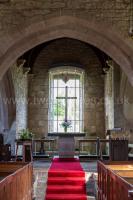
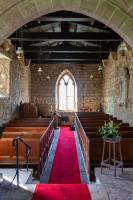
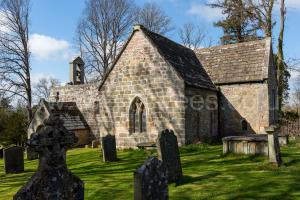
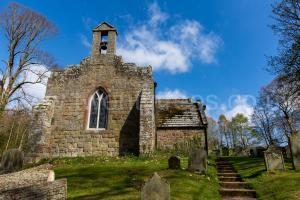
After 1443. St Peter's Church, Chillingham [Map]. Alabaster effigies of Ralph Grey and Elizabeth Fitzhugh on sandstone base. Fluted Period. Lancastrian Esses Collar.
Ralph Grey: In 1406 he was born to Thomas Grey of Werke and Heaton and Alice Neville. He a great x 4 grandson of King Edward I of England. On 10th December 1427 Ralph Grey and Elizabeth Fitzhugh were married. On 17th March 1442 Ralph Grey died.
Elizabeth Fitzhugh: she was born to Henry Fitzhugh 3rd Baron Fitzhugh and Elizabeth Grey Baroness Fitzhugh.


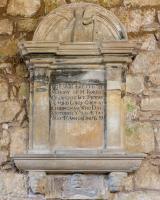
1691. St Peter's Church, Chillingham [Map]. Memorial to Robert Charnocke Steward to Ford Grey 1st Earl Tankerville (age 35).
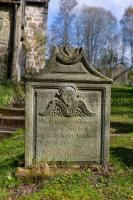
1717. St Peter's Church, Chillingham [Map]. Tombstone to Daniel Batie died 1717. "My friends go home & cease from tears I Must lye hear til christ Apeares".
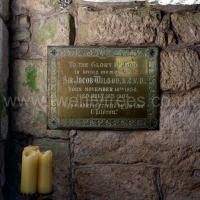
After 11th June 1905. St Peter's Church, Chillingham [Map]. Memorial to Jacob Wilson.
Jacob Wilson: On 16th November 1836 he was born at Crackenthorpe Hall. In 1866 he was appointed land agent to Charles Bennet 6th Earl Tankerville for his estates at Chillingham, Northumberland [Map]. In 1874 he and Margaret Hedley were married. On 11th July 1905 he died. He was buried at St Peter's Church, Chillingham [Map]. A memorial service was held at St George's Church, Hanover Square.
On 11th July 1905 Jacob Wilson died. He was buried at St Peter's Church, Chillingham [Map]. A memorial service was held at St George's Church, Hanover Square.
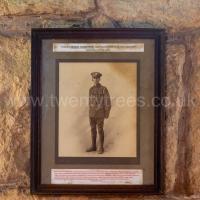
1918. St Peter's Church, Chillingham [Map]. Memorial to Samuel Sanderson of the Northumberland Fusiliers who was killed in the First World War. The note at the bottom reads ... Sam went to the Village School, just beyond the ford, and was just seventeen when he was killed. Sam's father, his brother and his nephew each served as Head Gardener to the Castle [Map], as Sam surely would have done had he lived. Sam and his parents lived in the Castle East Lodge, just by this Church as did Sam's nephew, *Alan, whose sister was born in the East Lodge. *Alan restored the Castle Garden from ruin and only retired in 2012, the last of a long line of Saunderson Gardeners, maybe dating back to the 1500s. One 1500s ledger reads: "Alexander the Gardener Holdeth one Cottage at three shillings per year." Alexander's son would have been Alexanderson. Sam, Rest in Peace.
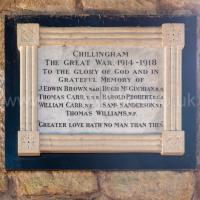
1918. St Peter's Church, Chillingham [Map]. Memorial to those who died in the First World War.
On 9th July 1931 George Montagu Bennet 7th Earl Tankerville (age 79) died at Chillingham Castle, Northumberland [Map]. He was buried at St Peter's Church, Chillingham [Map]. His son Charles (age 33) succeeded 8th Earl Tankerville, 9th Baron Ossulston of Ossulston in Middlesex.