All About History Books on Amazon

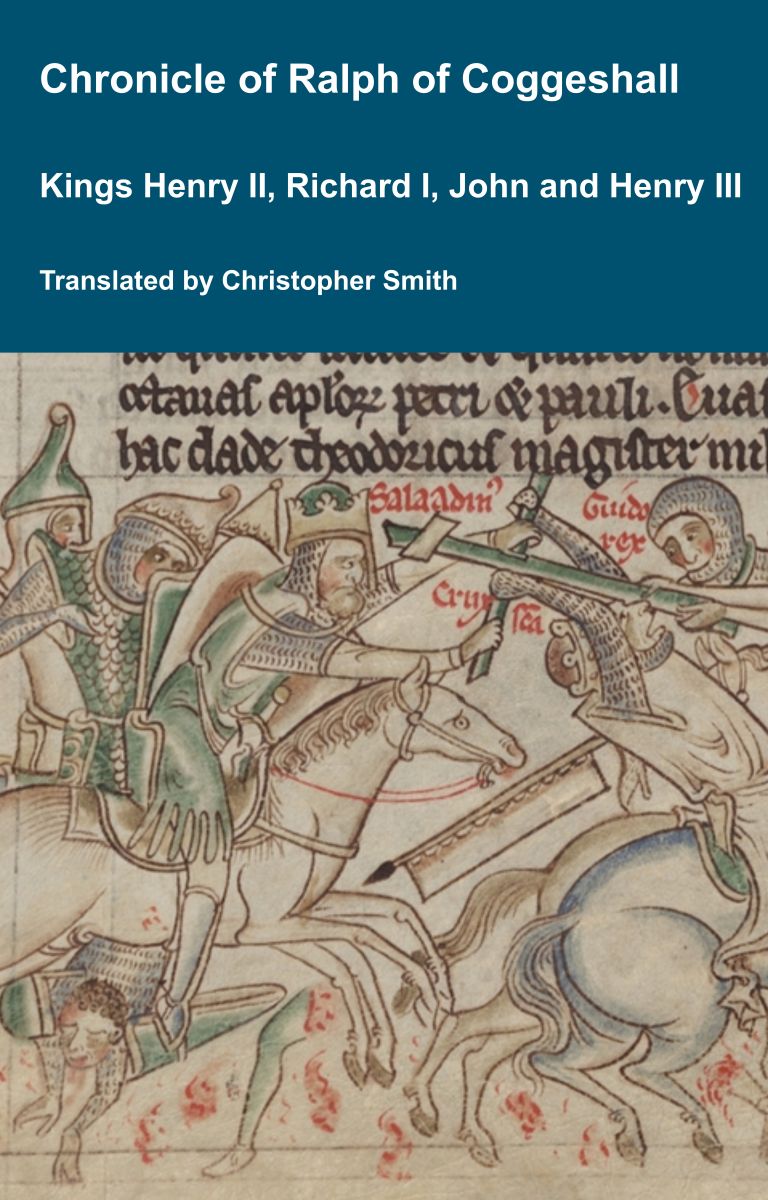
Chronicle of Abbot Ralph of Coggeshall

The Chronicle of Abbot Ralph of Coggeshall (Chronicon Anglicanum) is an indispensable medieval history that brings to life centuries of English and European affairs through the eyes of a learned Cistercian monk. Ralph of Coggeshall, abbot of the Abbey of Coggeshall in Essex in the early 13th century, continued and expanded his community’s chronicle, documenting events from the Norman Conquest of 1066 into the tumultuous reign of King Henry III. Blending eyewitness testimony, careful compilation, and the monastic commitment to record-keeping, this chronicle offers a rare narrative of political intrigue, royal power struggles, and social upheaval in England and beyond. Ralph’s work captures the reigns of pivotal figures such as Richard I and King John, providing invaluable insights into their characters, decisions, and the forces that shaped medieval rule. More than a simple annal, Chronicon Anglicanum conveys the texture of medieval life and governance, making it a rich source for scholars and readers fascinated by English history, monastic authorship, and the shaping of the medieval world.

Available at Amazon in eBook and Paperback format.

Froissart

Froissart is in Late Medieval Books.

Le Jolie Buisson de Jonece

1373. Le Jolie Buisson de Jonece i.e. The Pretty Bush of Youth. A poem written by Froissart celebratin the lives of Philippa, Queen of England, and Blanche, Duchess of Lancaster.

Le Jolie Buisson de Jonece Lines 226-255

Je te pri; nomme nous au mainsI beg you; at least name for us
Les seignours que tu as véusThe lords you have known
Et dont tu as les biens éusAnd from whom you have received good things,
Si prenderont leurs hoirs exemple. So that their heirs may take example."
— Volontiers ! Premiers vous exemple— "Willingly! First, take as an example
La bonne, qui pourist en terre,The good lady, who now rests in the earth,
Qui fu royne d'Engleterre;Who was Queen of England;
Phelippe ot nom la noble dame.The noble lady was named Philippa.
Propisces li soit Diex à l'âme!May God be gracious to her soul!"
J'en sui bien tenus de pryerI am indeed bound to pray
Et ses largheces escryer,And proclaim her generosity,
Car elle me fist et créa;For she made and created me;
Ne onques voir ne s'effréa,Nor did she ever truly shy away,
Ne ne fu son coer saoulésNor was her heart ever sated
De donner le sien à tous lés.From giving her all in every way.
Aussi sa fille de Lancastre.So, too, her daughter of Lancaster [aged 25].
Haro! mettés moi une emplastreAlas! Apply a balm to my heart,
Sus le coer, car, quant m'en souvient,For, when I remember it,
Certes souspirer me convientSurely I must sigh,
Tant sui plains de melancolie!So full of melancholy am I!
Elle morut jone et jolieShe died young and fair,
Environ de vingt-et-deux ans,Around the age of twenty-two,
Gaie, lie, friche, esbatans,Merry, joyful, carefree, playful,
Douce, simple, d'humble samblance.Sweet, simple, of humble appearance.
La bonne dame ot à nom Blanche.The good lady was named Blanche.
J'ai trop perdu en ces deux dames;I have lost too much in these two ladies;
J'en tors mes poins, j'en bac mes palmes.I wring my hands, I beat my palms.
Encor ot la noble RoyneThe noble Queen had also
Une fille de bonne orineAnother daughter of good lineage,
Ysabiel, et de Couci dame.Isabel, and lady of Couci.