

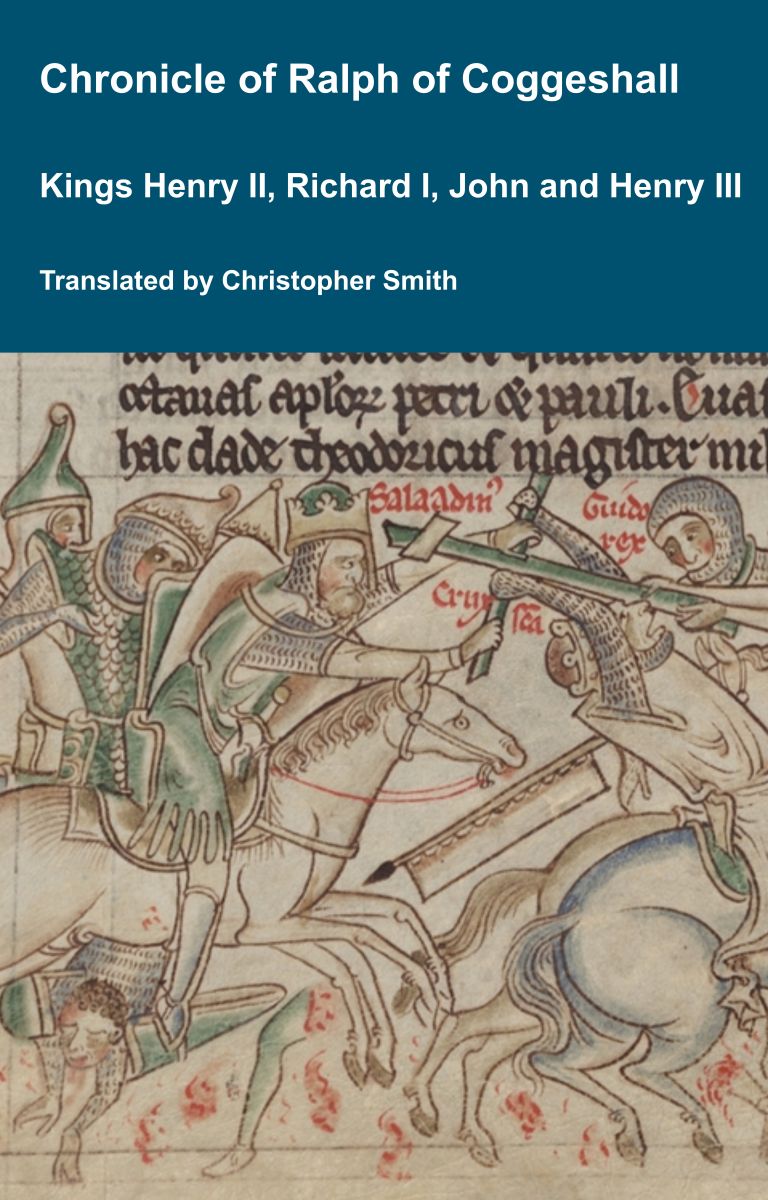
Chronicle of Abbot Ralph of Coggeshall
The Chronicle of Abbot Ralph of Coggeshall (Chronicon Anglicanum) is an indispensable medieval history that brings to life centuries of English and European affairs through the eyes of a learned Cistercian monk. Ralph of Coggeshall, abbot of the Abbey of Coggeshall in Essex in the early 13th century, continued and expanded his community’s chronicle, documenting events from the Norman Conquest of 1066 into the tumultuous reign of King Henry III. Blending eyewitness testimony, careful compilation, and the monastic commitment to record-keeping, this chronicle offers a rare narrative of political intrigue, royal power struggles, and social upheaval in England and beyond. Ralph’s work captures the reigns of pivotal figures such as Richard I and King John, providing invaluable insights into their characters, decisions, and the forces that shaped medieval rule. More than a simple annal, Chronicon Anglicanum conveys the texture of medieval life and governance, making it a rich source for scholars and readers fascinated by English history, monastic authorship, and the shaping of the medieval world.
Available at Amazon in eBook and Paperback format.
26 Dec is in December.
1135 Coronation of King Stephen
1164 Becket's Relatives Banished
1292 Coronation of King John Balliol of Scotland
1613 Marriage of Robert Carr 1st Earl Somerset and Frances Howard
26 Dec is known as Boxing Day. No-one knows why. Samuel Pepys (age 30) in his entry for 19th December 1663 "paid all there, and gave something to the boys' box against Christmas." which may provide an indication of the origin of the term "Boxing".
On 16th December 956 or 26th December 956 Archbishop Wulfstan died at Oundle, Northamptonshire [Map].
On 26th December 1126 Wulfhilde of Saxony Duchess Bavaria (age 54) died.
On 26th December 1135 King Stephen I England (age 41) was crowned King of England by Archibishop of Canterbury William de Corbeil (age 65).
The date of his coronation described differently by many Chroniclers:
Florence of Worcester: "on the thirteenth of the calends of January" i.e. 20th December 1135.
Orderic Vitalis: "on the eighteenth of the calends of January" i.e. 15th December 1135; the editor provided a note suggesting this date is incorrect and the correct date is the 26th December 1135.
The Annals of Winchester: "on the 22nd day after the death of his uncle, on the 1st of January." We should note that if King Henry died on the 1st December this date would refer to the 22nd or 23rd of December.
Roger of Wendover's Flowers of History: "on the day of the proto-martyr St. Stephen" i.e. 26th December 1135.
Chronicle of Richard Baker: "and so upon St. Stephen's day, in Anno 1135" i.e. 26th December 1135.
Anglo-Saxon Chronicle: "on midwinter day" i.e. probably 21st or 22nd of December, possibly the 25th.
Matthew Paris Chronica Majora: "on the Feast of Saint Stephen" i.e. 26th December 1135.
Gervase on Canterbury: "on the eleventh day before the Kalends of January [22nd December 1135] at Westminster."
Flowers of History by Roger of Wendover 1135. 26th December 1135. When Henry was dead, but before his body was buried, as I have before related, Stephen (age 41), his nephew by his sister Adela, wife of Theobald count of Boulogne, and brother of Theobald the younger, count of Blois, a man of great bravery and vigour, although he had taken the oath of fidelity to the empress, now tempted God, and seized the crown of the kingdom. For when the nobles of the kingdom were assembled at London, he promised that the laws should be reformed to the satisfaction of every one of them, and William archbishop of Canterbury, who was the first of all the nobles to take the oath of fidelity to the empress as queen of England, now consecrated Stephen to be king. In fine, all the bishops, earls, and barons, who had sworn fealty to the king's daughter and her heirs, gave their adherence to king Stephen, saying that it would be a shame for so many nobles to submit themselves to a woman. Meanwhile, Hugh Bigod, king Henry's seneschal, took the oath, and proved before the archbishop of Canterbury, that whilst the king was on his death-bed, he disinherited the empress, and made Stephen his successor. Wherefore, on the day of the proto-martyr St. Stephen, the new king received the crown of the kingdom from the hands of William archbishop of Canterbury, at Westminster, amid the acclamations and favour of the people; and a royal banquet was held with the utmost splendour. The coronation was completed with much magnificence, and when the ceremony of doing homage was finished, king Stephen proceeded to Oxford, where he confirmed the promises which he had made to God, the people, and the holy church, on the day of his coronation, as follows:
The Feast Day of St Stephen the 26th of December probably chosen since he was his namesake.
Chronicle of the Kings of England by Richard Baker. 26th December 1135 ... and so upon St. Stephen's day, in Anno 1135, he [King Stephen I England (age 41)] was Crowned at Westminster, in the presence of but three Bishops, few of the Nobility, and not one Abbit, by William Archbishop of Canterbury, with great solemnity.
Chronica Majora by Matthew Paris. 26th December 1135. Therefore, on the Feast of Saint Stephen, with the favour of all, the often-mentioned Stephen (age 41) received the crown through the ministry of William, Archbishop of Canterbury, at Westminster, and he was acclaimed king by all, and he celebrated the royal feast splendidly. After the coronation was magnificently completed and the homages were received, King Stephen proceeded to Oxford, where he confirmed the agreements that he had granted to God, the people, and the Holy Church on the day of his coronation. These were as follows:
Igitur in die Sancti Stephani, omnium favore Stephanus sæpe dictus per ministerium Willelmi Cantuariensis archiepiscopi apud Westmonasterinm diadema suscepit, et rex est ab omnibus acclamatus, et regale festum splendide celebravit. Coronatione itaque magnifice completa, homagiis receptis, perrexit rex Stephanus ad Oxoniam, ibi confirmavit pacta, quæ Deo et populo atque ecclesim sanctes in die coronationis sue concesserat, quæ hæc fuerunt:
In 26th December 1164 King Henry "Curtmantle" II of England (age 31) banished all of Thomas Becket's (age 45) relatives from England. Around 400 people were affected. They were stripped of their possessions and shipped to Flanders.
On 26th December 1191 Archbishop Reginald Fitz Jocelin died. See
Ralph of Coggeshall which gives the year as 1192.
Chronicum Anglicanum by Ralph Coggeshall. Reginald, bishop of Bath1, having been elected to the archbishopric of Canterbury, within a month of his election, on the night of Saint Stephen, departed from human affairs. On the Ides of October [15th] thunder was heard, and a violent wind arose, bringing heavy rain mixed with hail. Many shipwrecks took place.
Reginaldus Bathoniensis episcopus ad archiepiscopatum Cantuariensem electus, infra mensem electionis suæ, nocte Sancti Stephani rebus valedicit humanis. Idus Octobris audita sunt tonitrua, et ventus vehemens, ferens imbrem copiosum grandine mixtum. Naufragia multa fuere.
Note 1. Archbishop Reginald Fitz Jocelin, died 26th December 1191. Walter Map 'De Nugis Curialium' aka 'Of the Trifles of Courtiers': "Jocelin, bishop of Salisbury, said to his son Reginald of Bath, who had been elected by force but was not admitted to consecration by the archbishop of Canterbury and was lamenting it: 'Fool, fly quickly to the Pope, confidently, hesitating not at all, and give the man himself a good slap with a large purse, and he will wobble whichever way you want.' So he went; this one struck, that one wavered; the pope fell, the pontiff rose. And at once he wrote, lying about God, at the beginning of all his briefs, for where it ought to have been written 'by the grace of the purse,' he said 'by the grace of God.' Whatever he wished, he did."
On 26th December 1194 Frederick I King Jerusalem II Holy Roman Emperor was born to Henry Hohenstaufen VI Holy Roman Emperor (age 29). He married (1) 15th August 1209 his third cousin once removed Constance Barcelona, daughter of Alfonso II King Aragon and Sancha Ivrea Queen Consort Aragon, and had issue (2) 9th November 1225 Isabella Brienne II Queen Jerusalem and had issue (3) 20th July 1235 his fourth cousin once removed Isabella Plantagenet Holy Roman Empress, daughter of King John of England and Isabella of Angoulême Queen Consort England, and had issue.
William of Worcester's Chronicle of England
William of Worcester, born around 1415, and died around 1482 was secretary to John Fastolf, the renowned soldier of the Hundred Years War, during which time he collected documents, letters, and wrote a record of events. Following their return to England in 1440 William was witness to major events. Twice in his chronicle he uses the first person: 1. when writing about the murder of Thomas, 7th Baron Scales, in 1460, he writes '… and I saw him lying naked in the cemetery near the porch of the church of St. Mary Overie in Southwark …' and 2. describing King Edward IV's entry into London in 1461 he writes '… proclaimed that all the people themselves were to recognize and acknowledge Edward as king. I was present and heard this, and immediately went down with them into the city'. William’s Chronicle is rich in detail. It is the source of much information about the Wars of the Roses, including the term 'Diabolical Marriage' to describe the marriage of Queen Elizabeth Woodville’s brother John’s marriage to Katherine, Dowager Duchess of Norfolk, he aged twenty, she sixty-five or more, and the story about a paper crown being placed in mockery on the severed head of Richard, 3rd Duke of York.
Available at Amazon in eBook and Paperback format.
On 26th December 1249 Edmund "Almain" 2nd Earl Cornwall was born to Richard of Cornwall 1st Earl Cornwall (age 40) and Sanchia Provence Queen Consort Germany (age 21). He a grandson of King John of England. He married 6th October 1272 his half fourth cousin once removed Margaret Clare Countess Cornwall, daughter of Richard de Clare 6th Earl Gloucester 5th Earl Hertford and Maud Lacy Countess Gloucester and Hertford.
On 25 or 26th December 1251 King Alexander III of Scotland (age 10) and Margaret Queen of Scotland (age 11) were married at York Minster [Map]. She by marriage Queen Consort Scotland. The couple remained in York until Jan 1252 after which they travelled to Edinburgh. She the daughter of King Henry III of England (age 44) and Eleanor of Provence Queen Consort England (age 28). He the son of King Alexander II of Scotland and Marie Coucy (age 33). They were half fourth cousins. He a great x 3 grandson of King Henry I "Beauclerc" England.
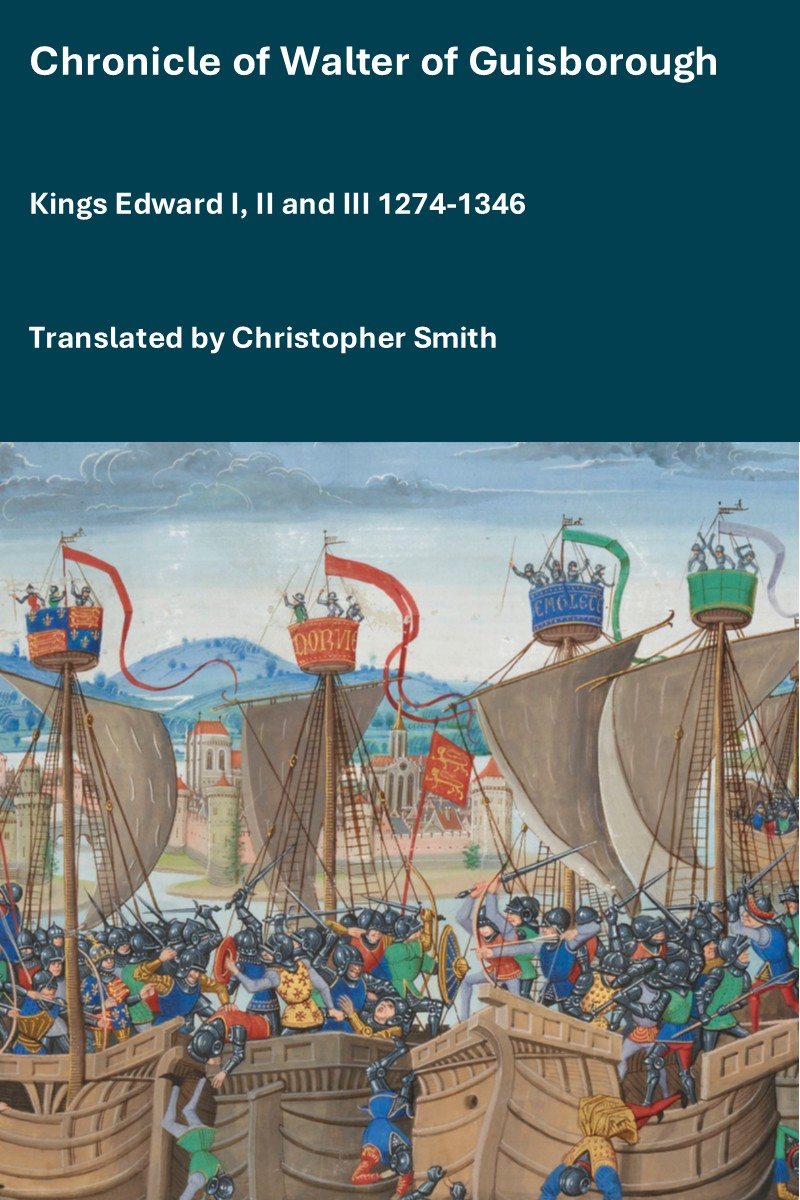 Chronicle of Walter of Guisborough. These things having been done and the kingdom settled, and guardians placed in the castles and towns, the king returned to the southern parts, appointing a date for his return on the [1st November 1292] in the following year. On that date, when he returned, he arranged that fifty judges should be chosen from the kingdom of Scotland, men of discretion and learned in the law. To these he added thirty elected men from England, commanding all, in the faith of their sworn oaths, to weigh the claims of the petitioners with God before their eyes, and to bring the matter of the succession to a proper conclusion. These men, withdrawing as they had been instructed, heard the claims and petitions of all who asserted a right or claim in the kingdom of Scotland. When nearly all the petitioners had been heard and completed their cases, the matter came down to John de Balliol and Robert de Bruce, whose claims are summarized briefly as follows: Since no nearer royal bloodline appeared, attention was turned to David, formerly Earl of Huntingdon and brother of William, formerly King of Scotland, who had reigned in Scotland in the time of Henry II. This David had three daughters. The eldest he gave in marriage to John de Balliol, the middle one to the Lord Bruce, and the youngest to the Lord Hastings. From these daughters descended John de Balliol, Robert de Bruce, and John de Hastings, each of whom claimed the succession to the kingdom. But since a kingdom should never be divided and, as some argued, should belong to the nearest of royal blood, Robert de Bruce, although descended from the second daughter, petitioned that he, as the closer in blood by one degree, should be admitted to the succession. However, the appointed judges did not accept this reasoning. They adjudged the succession of the kingdom of Scotland to John de Balliol, as he was descended from the eldest daughter. Our king, approving their decision, restored to John the kingdom of Scotland with all its integrity, reserving for himself the homage and fealty to be rendered in due time. On the feast of Saint Andrew the Apostle [30th November 1292], John de Balliol (age 43) was made King of Scotland in the Scottish manner, which was as follows. At the monastery of Scone [Map], there was placed a very large stone in the church of God beside the high altar, hollowed out and shaped like a round chair, in which future kings were customarily seated in a kind of coronation rite. The placing of a new king in this stone was the hereditary duty of the Earl of Fife, after the king had sworn an oath to rule the holy mother Church and the people subject to him justly, to establish good laws, and to maintain established and newly enacted laws until death. With the new king seated upon the stone, the solemn celebration of the Mass began, and apart from the elevation of the sacred body of the Lord, the king remained seated on the stone. On the feast of Saint Stephen the Protomartyr [26th December 1292], the same King of Scots performed homage1 to our king at Newcastle upon Tyne in the year of our Lord 1292. Our king restored to him all his rights entire and unharmed along with all his castles. And thus he returned to the southern parts.
Hiis itaque gestis et ordinato regno positisque custodibus suis in castris et villis, reversus est ad partes australes rex, statuens eis suæ reversionis terminum in festo Omnium Sanctorum anni sequentis; in quo quidem termino reversus, apordinavit ut de regno Scotia eligerentur L arbitri, viri discreti et legem scientes, quibus electis associavit eis ex Anglia XXX viros electos, præcipiens universis, in fide præstiti sacramenti, ut Deum habentes præ oculis vota petentium ponderarent, et debito fine clauderent negotium successionis prædictum; qui secedentes, ut in mandatis habuerant, omnium, qui in regno Scotia jus vel clamium vendicabant, audiebant vota, et petitiones singulorum, et, absolutis petentibus quasi universis, in fine perventum est ad Johannem de Balliolo et Robertum de Bruys, quorum petitio sic brevibus declaratur. Cum enim sanguis regius proximior non appareret, tandem habitus est recursus ad David quondam comitem Huntingdoniæ et fratrem Willelmi quondam regis Scotiæ, qui temporibus Henrici secundi regnavit in Scotia: hic David, cum tres haberet filias, primogenitam dedit Johanni de Balliolo, mediam domino de Brus, et ultimam domino de Hastinges, ex quarum sanguine prædicti Johannes et Robertus cum Johanne de Hastinges successionem regni vendicabant; verum quia regnum debet nunquam dividi et, ut a quibusdam dicebatur, proximiori regio sanguini debeatur; prædictus Robertus de Bruys, licet de secunda sorore exisset, tamen in eo quod sanguini proximior in uno erat gradu, petiit se, tanquam sanguini proximiorem, ad regni successionem admitti. Prædicti tamen arbitri rationem non admittentes, prædicto Johanni de Balliolo, tanquam e primogenita exeunti, successionem regni Scotia adjudicarunt: rex vero noster, eorum approbando arbitrium, eidem Johanni regnum Scotiæ cum omni integritate restituit, salvo sibi homagio suo et fidelitate pro tempore faciendis. Die vero Sancti Andreæ Apostoli idem Johannes de Balliolo effectus est rex Scotia more Scotorum, qui sequitur. Apud monasterium de Scone positus erat lapis pergrandis in ecclesia Dei juxta majus altare, concavus quidem ets ad modum rotundæ cathedræ confectus, in quo futuri reges loco quasi coronationis ponebantur ex more; et hujusmodi novi regis depositio ad comitem de Fyf jure hæreditario pertinebat, facto tamen juramento quod sanctam matrem ecclesiam Scotland. populumque sibi subjectum juste regendo defenderet, legesque bonas conderet, usitatasque et inventas usque ad mortem continuaret: rege itaque novo in lapide posito missarum solemnia incepta peraguntur, et præterquam in elevatione sacri Dominici corporis semper lapidatus mansit. Die autem beati protomartyris Stephani idem and does rex Scotorum homagium fecit regi nostro apud Novum Castrum super Tynam anno Domini MCCXCII restituitque ei rex noster omnia sua jura integra et illæsa cum omnibus castris suis; et sic reversus est ad partes australes.
Note 1. The oath of fealty is printed in Rymer, Fœdera, 1.782.
Rymer's Fœdera Volume 1. Concerning the homage done by John, King of Scotland, to the lord King of England.
In the year of the Lord's Incarnation one thousand two hundred and ninety-two (as the English Church reckons), in the sixth indiction, and in the twenty-first year of the reign of the aforesaid lord Edward, illustrious King of England, at Newcastle upon Tyne, in the hall of the palace of the said lord King, within the castle, on the morrow of the Nativity of the Lord [26th December 1292], that is, on the feast of the blessed Stephen the Protomartyr; in the presence of me, the notary undersigned, and of the venerable fathers John, Archbishop of Dublin, and John, Bishop of Carlisle; and of the noble men Henry de Lacy, Earl of Lincoln, John de Warenne, Earl of Surrey, John de St John, Robert de Tibetot, Brian son of Alan, Nicholas de Segrave, Gilbert de Thornton, Roger le Brabanzon, Robert Malet, Robert of Hertford, John de Langton, Chancellor of England, Hugh de Cressingham, John Woughan; the masters John Lovel, Walter de Langton, John de Droxford, Gilbert de Roubury; and of many other prelates, earls, barons, lords, magnates, and nobles of both the kingdom of England and of Scotland, then being present there: The aforesaid Lord John, by the grace of God King of the Scots, did homage to the aforesaid Lord Edward, illustrious King of England, as the superior and direct lord of the kingdom of Scotland, personally, speaking the words with his own mouth, in the French tongue, which have literally the following meaning: "My lord, Lord Edward, King of England, superior lord of the kingdom of Scotland: I, John of Balliol, King of Scotland, become your liege man for the whole kingdom of Scotland, with its appurtenances, and for all that belongs to it. Which kingdom indeed I hold, and ought of right to hold, and claim to hold, for myself and for my heirs, Kings of Scotland, hereditarily of you and of your heirs, Kings of England. And I will bear faith and fealty to you and to your heirs, Kings of England, of life and limb, and earthly honor, against all men who may live and die"
De homagio facto per Johannem Regem Scotiæ, domino Regi Angliæ.
Anno à Nativitate Domini millesimo ducentesimo nonagesimo secundo (secundum quod observat ecclesia Anglicana) indictione sextâ, & regni prædicti domini Edwardi, Regis Angliæ illustris, vicesimo primo, apud Novum Castellum super Tynam, in aulâ palatii ipsius domini Regis, infra castrum, in crastino Nativitatis Domini, scilicet, in festo beati Stephani prothomartiris; in præsentiâ mei, notarii infrascripti, & Venerabilium patrum, Johannis archiepiscopis Dublinensis, & Johannis episcopi Carleolensis; & Nobilium virorum, Henrici de Lascy comitis Lyncolniæ, Johan' de Warenna comitis Surreyæ, Johannis de Sancto Johanne, Roberti de Typetot, Briani filii Alani, Nicolai de Segrave, Gilberti de Thorntone, Rogeri le Brebanzon, Roberti Malet, Roberti de Hertfordia, Johannis de Langetone Anglia cancellarii, Hugonis de Cressyngeham, Johannis Woughan; Magistrorum, Johannis Lovel, Walteri de Langetone, Johannis de Drokeneford, Gilberti de Robery, & nonnullorum aliorum prælatorum, comitum, baronum, procerum, magnatum, & nobilium utriusque regni Angliæ & Scotiæ, existentium tunc ibidem: Præfatus dominus Johannes, DEI gratiâ, Rex Scottorum, fecit homagium memorato domino Edwardo, Regi Angliæ illustri, ut superiori & directo domino regni Scotia præsentialiter, verba proferens ore proprio, sermone Gallico, hunc habentia litteraliter intellectum; Domine mi, domine Edwarde, Rex Angliæ, superior dominus regni Scotia, ego Johannes de Balliolo, Rex Scotia, devenio vester homo ligius de toto regno Scotia, cum pertinentiis, & omni eo quod appendet: Quod quidem regnum teneo, & debeo de jure, ac clamo, pro me, & hæredibus meis, Regibus Scotiæ, tenere hæreditariè de vobis, & hæredibus vestris, Regibus Angliæ. Et fidem & fidelitatem portabo vobis, & hæredibus vestris, Regibus Angliæ, de vitâ & membro, & terreno honore, contra omnes homines, qui possunt vivere atque mori.
Rymer's Fœdera Volume 2. Piers Gaveston, when the king crossed overseas, was appointed keeper of the realm.
A.D. 1307. An, 1 Edw. II Pat, 1 Edw. II p. 1. m. 2 in Turr, Lond.
The King to archbishops, bishops, abbots, priors, earls, barons, knights, free tenants, communities, sheriffs, and all other ministers, bailiffs, and faithful subjects to whom these present letters shall come, greetings. Know that, since we are about to set out shortly, with the Lord's favor, to parts beyond the sea for certain matters concerning us and the state of our kingdom, and being especially confident in the prudence, diligence, and loyalty of our beloved and faithful Peter de Gaveston, Earl of Cornwall, we have appointed the said earl by these presents as our keeper of the said kingdom, and as our lieutenant in the same kingdom, for the better preservation of the peace and tranquillity of the people of the said realm, for as long as we shall remain in those parts beyond the sea or until we shall have otherwise ordained. And therefore we command you to be obedient and responsive to the said earl, as our keeper of the said kingdom and our lieutenant therein, in all matters that pertain to that office. In witness whereof, etc., for as long as it shall please us to remain in force. Witness the King at Westminster, on the 26th day of December [1307].
Petrus de Gaveston, Rege transfretante, custos regni constitutus.
Rex archiepiscopis, episcopis, abbatibus, prioribus, comitibus, baronibus, militibus, libere tenentibus, communitatibus, vicecomitibus, & omnibus aliis ministris, ballivis & fidelibus suis, ad quos præsentes litteræ pervenerint, salutem. Sciatis quod cum nos, pro quibusdam negotiis, nos & statum regni nostri tangentibus, sumus ad partes transmarinas, favente Domino, in proximo profecturi; Nos, de circumspectione, industria, & fidelitate dilecti & fidelis nostri Petri de Gavastone, comitis Cornubiæ, specialiter confidentes, ipsum comitem custodem nostrum dicti regni, ac locum nostrum in eodem regno tenentem, pro pace & tranquilitate populi dicti regni meliùs conservandâ, constituimus per præsentes, quamdiu in dictis partibus transmarinis moram fecerimus, vel aliud inde duxerimus ordinandum. Et ideo vobis mandamus quod eidem comiti, tanquam custodi nostro dicti regni, & locum nostrum tenenti in eodem, in hiis, quæ ad dictam custodiam pertinent, intendentes sitis & respondentes. In cujus, &c. quamdiu nobis placuerit duraturas. Teste Rege, apud Westm', XXVI die Decembris.
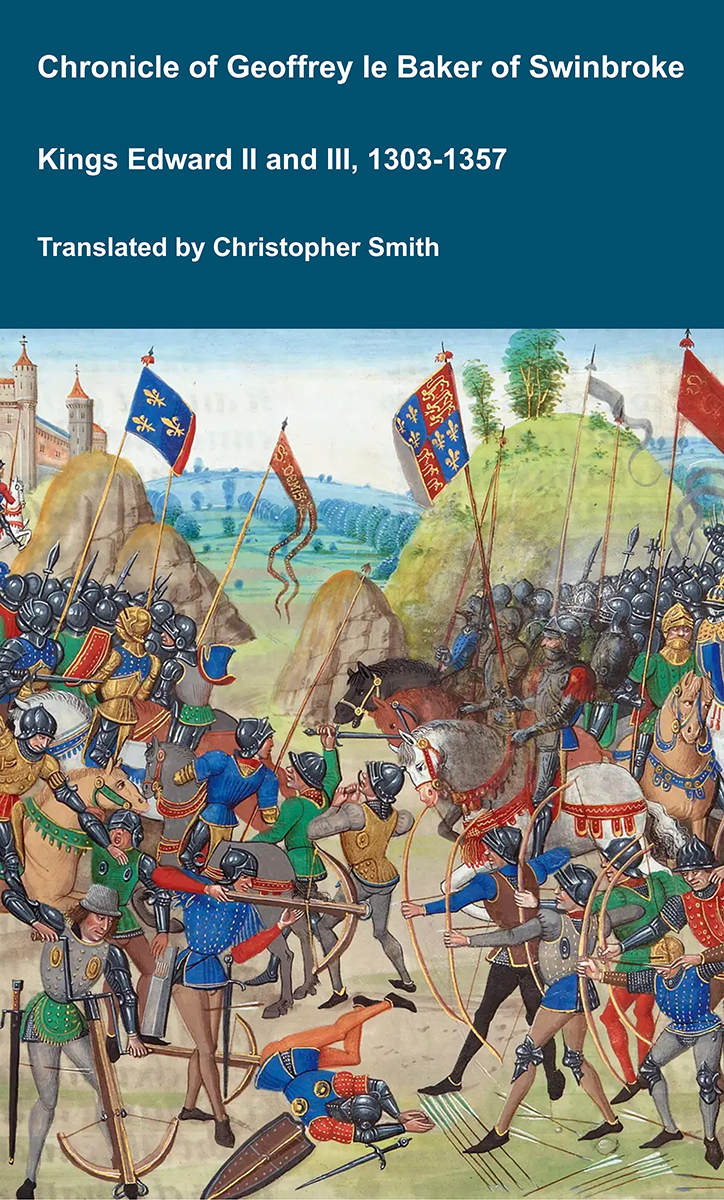 Chronicle of Geoffrey le Baker of Swinbroke [-1360]. It should not be omitted that, while the King was staying in the regions of France for his wedding, there presented himself1 a certain man formerly familiar to him, but banished by his father's command, namely Piers Gaveston, who had been recalled from exile in England by the King. To him, the King also granted the Earldom of Cornwall and gave in marriage the daughter of his sister, namely Lady Joan of Acre, Countess of Gloucester.
Non extat pretereundum quod regi in partibus Gallie uxorem desponsaturo commoranti representavit se quondam sibi familiaris, set precepto patris abdicatus, Petrus de Gavestone predictus, quem rex ab exilio in Angliam reduxit; cui eciam dedit comitatum Cornubie et filiam sororis sue, videlicet domine Iohanne de Acres, comitisse de Gloucestre, in uxorem.
Note 1. This is incorrect. Gaveston was recalled immediately on Edward's accession; and was appointed guardian of the kingdom during the king's absence, 26th December 1307. Rymer's Fœdera 2.24.
He received the grant of the earldom of Cornwall and of all lands late belonging to Edmund, earl of Cornwall, by patent, dated Dumfries, 6th August 1307. Rymer's Fœdera 2.2.
This grant was made with the assent of the earl of Lincoln, who appears as one of the witnesses to the deed, and whose action is specially noticed in the Vita Edwardi II ascribed to a monk of Malmesbury (ed. Stubbs, Rolls Series), p. 155.
On 26th December 1339 Bishop Adam de Houghton was appointed Precentor of St David's Cathedral, Pembrokeshire [Map]. He resigned around 1350.
On 26th December 1352 John Plantagenet 3rd Earl Kent (age 22) died. He was buried at Greyfriars Church, Winchester [Map]. Earl Kent extinct. His sister Joan (age 24) succeeded 5th Baroness Wake of Liddell. Some source suggest she also succeeded as 4th Countess of Kent but this is inconsistent with 1. her husband being created Earl of Kent as a new creation, and 2. her son not succeeding to the original Earldom?
On 26th December 1476 Galeazzo Maria Sforza 5th Duke Milan (age 32) was murdered at the Basilica di Santo Stefano Maggiore, Milan [Map]. Supported by about thirty friends, the three men waited in the church for the duke to arrive for mass. When Galeazzo Sforza arrived, Lampugnani knelt before him; after some words were exchanged, Lampugnani rose suddenly and stabbed Sforza in the groin and breast. Olgiati and Visconti soon joined in, as did a servant of Lampugnani's. Sforza was dead within a matter of seconds. All the assassins quickly escaped in the ensuing mayhem save for Lampugnani, who became entangled in some of the church's cloth and was killed by a guard. His body soon fell into the hands of a mob, which dragged the corpse through the streets, slashing and beating at it; finally, they hung the body upside-down outside Lampugnani's house. The beheaded corpse was cut down the next day and, in an act of symbolism, the "sinning" right hand was removed, burnt and put on display. His son Gian (age 7) succeeded 6th Duke Milan.
On 26th December 1502 Edmund Pole 3rd Duke of Suffolk (age 31) was proclaimed an outlaw at Ipswich, Suffolk [Map] for assuming his former title Duke Suffolk.

Henry Machyn's Diary. 26th December 1554. The xxvj day of Desember cam by water from ... the prynche of Pymon (age 26) with my lord of preve-sale and my lord Montycute [Probably Anthony Browne 1st Viscount Montagu (age 26)], and shut the bryge [shot the bridge], and cam unto (unfinished).
Note. P. 79. Coming of the prince of Piedmont—"by water, from—Gravesend" is the word deficient (as appears in Stowe.) He "landed at the duke of Suffolkes place." The following passage occurs in a letter dated the xijth of October: "It was told me this day the ambassador of Savoy was yesterday to see my lady Elizabethes house at Strand, and that there was order given for the putting of the same in areadines for the duke his master." Francis Yaxley to sir W. Cecill, in Ellis's Letters, III. iii. 314.—Emanuel Philibert, prince of Piedmont and duke of Savoy, was at this time an exile from his dominions, which had been taken from his father Charles by Francis I. of France. Having greatly distinguished himself as an ally of king Philip at the battle of St. Quintin in 1557, he concluded a peace with France in 1559, and married Margaret daughter of Francis I. He died in 1580.
Henry Machyn's Diary. 26th December 1561. The xxvj day of Desember, was sant Stheyn day, was creatyd at the cowrte my lord Ambros Dudley (age 31) lord Lylle and after the yerle of Warwyke, with haroldes of armes.
Henry Machyn's Diary. 26th December 1562. The xxvj day of Desember cam tydynges unto the cowrt thatt the prynse of Condutt (age 32) and the duke of Gwys (age 43) mett in the [field,] and that the prynse was taken, and mony [many] taken and slayne, [and many] taken pressonars.


Henrici Quinti, Angliæ Regis, Gesta, is a first-hand account of the Agincourt Campaign, and subsequent events to his death in 1422. The author of the first part was a Chaplain in King Henry's retinue who was present from King Henry's departure at Southampton in 1415, at the siege of Harfleur, the battle of Agincourt, and the celebrations on King Henry's return to London. The second part, by another writer, relates the events that took place including the negotiations at Troye, Henry's marriage and his death in 1422.
Available at Amazon in eBook and Paperback format.
On 26th December 1605 Charles Blount 1st Earl Devonshire (age 42) and Penelope Devereux Countess Devonshire (age 42) were married at Wansted House, Essex during a service conducted by Archbishop William Laud (age 32) (future). The marriage was regarded as uncanonical and resulted in the disgrace of both parties, who were banished from King James I's court circles. She by marriage Countess Devonshire. She the daughter of Walter Devereux 1st Earl Essex and Lettice Knollys Countess Essex and Leicester (age 62). They were third cousins.


On 26th December 1613 Robert Carr 1st Earl Somerset (age 26) and Frances Howard Countess Essex and Somerset (age 23) were married. She by marriage Countess Somerset. She the daughter of Thomas Howard 1st Earl Suffolk (age 52) and Catherine Knyvet Countess Suffolk (age 49).
Her marriage with her first husband Robert Devereux 3rd Earl Essex (age 22) had been annulled on the grounds of his impotence three months before causing something of a scandal.


On 26th December 1618 Elisabeth Palatinate Simmern was born to Frederick Palatinate Simmern V Elector Palatine Rhine (age 22) and Princess Elizabeth Stewart Queen Bohemia (age 22). She a granddaughter of King James I of England and Ireland and VI of Scotland.


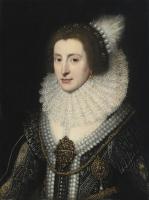


Diary of Anne Clifford. 26th December 1619. The 26th there dined below with the gentlewomen Mrs Care, Goody Davis, and Goody Crawley. I writ a letter to my Lord (age 30) to thank him for a pedigree of the Sackvilles which he sent me.
Samuel Pepys' Diary. 26th December 1660. In the morning to Alderman Backwell's (age 42) for the candlesticks for Mr. Coventry (age 32), but they being not done I went away, and so by coach to Mr. Crew's (age 62), and there took some money of Mr. Moore's for my Lord, and so to my Lord's, where I found Sir Thomas Bond (whom I never saw before) with a message from the Queen (age 51) about vessells for the carrying over of her goods, and so with him to Mr. Coventry, and thence to the office (being soundly washed going through the bridge) to Sir Wm. Batten (age 59) and Pen (age 39) (the last of whom took physic to-day), and so I went up to his chamber, and there having made an end of the business I returned to White Hall by water, and dined with my Lady Sandwich (age 35), who at table did tell me how much fault was laid upon Dr. Frazer and the rest of the Doctors, for the death of the Princess!


Samuel Pepys' Diary. 26th December 1663. So home and found Mr. Hollyard (age 54) there, and he stayed and dined with us, we having a pheasant to dinner. He gone, I all the afternoon with my wife to cards, and, God forgive me! to see how the very discourse of plays, which I shall be at liberty to see after New Year's Day next, do set my mind upon them, but I must be forced to stint myself very strictly before I begin, or else I fear I shall spoil all.
Samuel Pepys' Diary. 26th December 1667. Up and to Westminster, and there to the Swan [Map], and by chance met Mr. Spicer and another 'Chequer clerk, and there made them drink, and there talked of the credit the 'Chequer is now come to and will in a little time, and so away homeward, and called at my bookseller's, and there bought Mr. Harrington's (age 56) works, "Oceana", &c., and two other books, which cost me £4, and so home, and there eat a bit, and then with my wife to the King's playhouse, and there saw "The Surprizall"; which did not please me to-day, the actors not pleasing me; and especially Nell's (age 17) acting of a serious part, which she spoils. Here met with Sir W. Pen (age 46), and sat by him, and home by coach with him, and there to my office a while, and then home to supper and to bed. I hear this day that Mrs. Stewart (age 20) do at this day keep a great court at Somerset House [Map], with her husband the Duke of Richmond (age 28), she being visited for her beauty's sake by people, as the Queen (age 29) is, at nights; and they say also that she is likely to go to Court again, and there put my Baroness Castlemayne's (age 27) nose out of joynt. God knows that would make a great turn. This day I was invited to have gone to my cozen Mary Pepys' burial, my uncle Thomas' daughter, but could not.
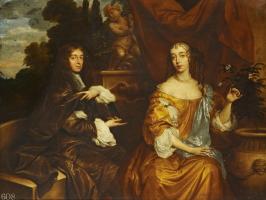
John Evelyn's Diary. 26th December 1683. I dined at Lord Clarendon's, where I was to meet that ingenious and learned gent Sr Geo. Wheeler (age 32), who has published the excellent description of Africa and Greece, and who being a Knight of a very fair estate and young, had now newly entred into holy orders.
John Evelyn's Diary. 26th December 1688. The Peers and such Commoners as were members of the Parliament at Oxford, being the last of Charles II meeting, desire the Prince of Orange (age 38) to take on him the disposal of the public revenue till a convention of Lords and Commons should meet in full body, appointed by his circular letters to the shires and boroughs, 22d of January. I had now quartered upon me a Lieutenant-Colonel and eight horses.

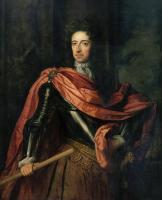
On 26th December 1704 George Beauclerk was born to Charles Beauclerk 1st Duke St Albans (age 34) and Diana Vere Duchess St Albans (age 25). He a grandson of King Charles II of England Scotland and Ireland.


On 26th December 1734 George Romney was born in Beckside, Dalton in Furness.
On 26th December 1737 Prince Frederick Josias Saxe Coburg Saalfeld was born to Francis Josias Saxe Coburg Saalfeld Duke Saxe Coburg Saalfeld (age 40) and Duchess Anna Sophie Of Saxe-Coburg-Saalfeld (age 37) at Ehrenburg Palace, Coburg. Coefficient of inbreeding 3.37%.
The Deeds of the Dukes of Normandy
The Gesta Normannorum Ducum [The Deeds of the Dukes of Normandy] is a landmark medieval chronicle tracing the rise and fall of the Norman dynasty from its early roots through the pivotal events surrounding the Norman Conquest of England. Originally penned in Latin by the monk William of Jumièges shortly before 1060 and later expanded at the behest of William the Conqueror, the work chronicles the deeds, politics, battles, and leadership of the Norman dukes, especially William’s own claim to the English throne. The narrative combines earlier historical sources with firsthand information and oral testimony to present an authoritative account of Normandy’s transformation from a Viking settlement into one of medieval Europe’s most powerful realms. William’s history emphasizes the legitimacy, military prowess, and governance of the Norman line, framing their expansion, including the conquest of England, as both divinely sanctioned and noble in purpose. Later chroniclers such as Orderic Vitalis and Robert of Torigni continued the history, extending the coverage into the 12th century, providing broader context on ducal rule and its impact. Today this classic work remains a foundational source for understanding Norman identity, medieval statesmanship, and the historical forces that reshaped England and Western Europe between 800AD and 1100AD.
Available at Amazon in eBook and Paperback format.
On 26th December 1774 , at a double wedding ceremony, sisters Mary and Jane were married:
Thomas Graham 1st Baron Lynedoch (age 28) and Mary Cathcart (age 17) were married. They were fourth cousin once removed.
John Murray 4th Duke Atholl (age 19) and Jane Cathcart (age 20) were married. She by marriage Duchess Atholl. He the son of John Murray 3rd Duke Atholl and Charlotte Murray Duchess Atholl (age 43). They were second cousin once removed.


On 26th December 1775 Charles Manners 4th Duke Rutland (age 21) and Mary Isabella Somerset Duchess Rutland (age 19) were married. She the daughter of Charles Noel Somerset 4th Duke Beaufort and Elizabeth Berkeley Duchess Beaufort (age 62). They were half fourth cousins.
On 26th December 1777 Louis Hesse Darmstadt II Grand Duke was born to Louis I Grand Duke of Hesse (age 24). He married 19th June 1804 his first cousin Princess Wilhelmine Baden and had issue.

On 26th December 1779 Francis Almeric Spencer 1st Baron Churchill was born to George Spencer 4th Duke of Marlborough (age 40) and Caroline Russell Duchess of Marlborough (age 36). He married 25th November 1800 his second cousin Frances Fitzroy Baroness Churchill Wychwood, daughter of Augustus Henry Fitzroy 3rd Duke Grafton and Elizabeth Wrottesley Duchess Grafton, and had issue.
On 26th December 1790 Jane Cathcart (age 36) died.
On 26th December 1822 Anne Thomson was born to James Thomson (age 34) and Diana Lloyd. She married 1846 Frederick Goodall.
On 26th December 1836 Fanny Georgiana Pitt-Rivers Duchess Leeds was born to George Pitt-Rivers 4th Baron Rivers (age 26) and Susan Georgiana Leveson-Gower Baroness Rivers (age 26). She married 16th January 1861 her half first cousin George Godolphin Osborne 9th Duke Leeds, son of George Godolphin Osborne 8th Duke Leeds and Harriet Emma Arundel Stewart, and had issue.
On 26th December 1874 John Watkins (age 51) died.
The London Gazette 27208. The Royal Fusiliers (City of London Regiment). Captain Charles FitzClarence (age 34). On the 14th October, 1899, Captain FitzClarence went with his squadron of the Protectorate Regiment, consisting of only partially trained men, who had never been in action, to the assistance of an armoured train which had gone out from MafeKing. The enemy were in greatly superior numbers, and the squadron was for a time surrounded, and it looked as if nothing could save them from being shot down. Captain FitzClarence, however, by his personal coolness and courage inspired the greatest confidence in his men, and, by his bold and efficient handling of them, not only succeeded in relieving the armoured train, but inflicted a heavy defeat on the Boers, who lost 50 killed and a large number wounded, his own losses being 2 killed and 15 wounded. The moral effect of this blow had a very important bearing on subsequent encounters with the Boers.
On the 27th October, 1899, Captain FitzClarence led his squadron from MafeKing across the open, and made a night attack with the bayonet on one of the enemy's trenches. A hand-to-hand fight took place in the trench, while a heavy fire was concentrated on it from the rear. The enemy was driven out with heavy loss. Captain FitzClarence was the first man into the position and accounted-for four of the enemy with his sword. The British lost & killed and 9 wounded. Captain. FitzClarence was himself: slightly wounded. With reference to these two actions, Major General Baden-Powell states that had this Officer not shown an extraordinary spirit and fearlessness the attacks would have been failures, and we should have suffered heavy loss both in men and prestige.
On the 26th December, 1899, during the action at Game Tree, near MafeKing, Captain FitzClarence again distinguished himself by his coolness and courage, and was again wounded (severely through both legs).
The Times. 26th December 1910. We regret to state that Lord Ancaster (deceased) died on Saturday night at his Grimsthorpe, Bourne, Lincolnshire seat, in his 81st year.
Gilbert Henry Heathcote-Drummond-Willoughby, created first Earl of Ancaster in 1892, was Joint Hereditary Lord Great Chamberlain of England. This dignity is held jointly by Lord Cholmondeley (age 27), Lord Ancastor, and Lord Carrington (age 67). The late peer filled it during the reign of Queen Victoria, Lord Cholmondeley during that of King Edward, and Lord Carrington fills it during the present reign.
He was born on October 1, 1830, and succeeded his father (age 12) as second Lord Aveland on September 6, 1807, and his mother as 24th Lord Willoughby de Eresby on November 13, 1888.
Few noblemen possessed a longer lineage, for the lordship of Erresby in Lincolnshire was acquired by the family of Bee or Belec bv the marriage of Walter dc Bec with Agnes, daughter and heiress of Hugh Fitz Pincheon, a 12th century magnate of Lincolnshire. A John Beeke received permission from Edward I to make a castle of his manor house at Eresby and was summoned to Parliament as one of the barons of the realm. By his wife, Sarah, daughter of Thomas, Lord Furnival, be had, among other children, Alice, who was married to Sir William de Willoughby, one of those who went with Prince Edward to the Holy Land. His son, Robert, became first Lord Willoughby de Eresby. Subsequent holders of that title played a prominent part in the country's history at home and abroad. The 13th baron was created Earl of Lindsey. The fourth Earl of Lindsey was created Duke of Ancaster and Kesteven in 1713. That dukedom became extinct with the death of the fifth Duke in 1809. The barony of Willoughby de Eresby fell into abeyance between the sisters of the fourth duke until it was terminated by the Crown in 1780 in favour of the elder co-heir, Priscilla Barbara Elizabeth, whom the first Lord Gwydir married in 1779. Their eldest son Peter Robert, 21st Baron Willoughby de Eresby, married the daughter of the first Lord Perth, and one of their daughters became in 1840 the wife of the second Lord Carrington. Almeric, the 22nd Lord Willoughby do Eresby and third Baron Gwydyr of Gwydyr, County Carnarvon, Joint Hereditary Great Chamberlain of England, died in August, 1870. The barony of Willoughby do Eresby again fell into abeyance between his lordship's surviving sisters, and it was terminated in favour of the elder, the Dowager Baroness Aveland, who married in 1827 Sir Gilbert John Heathcote, created Baron Aveland in 1856. Their eldest son was the late Lord Ancaster, whose sister, Clementina Charlotte (age 78), married in 1869 Vice-Admiral Sir George Tryon, who died in her Majesty's ship Victoria in June 1893.
The late Lord Ancaster married in 1863 Lady Evelyn Elizabeth Gordon (age 64), second daughter of the tenth Marquis of Huntly, by whom be had four sons and six daughters. He was educated at Harrow and Trinity College, Cambridge, and sat as Member of Parliament for Rutland from 1856 to 1867. He was a magistrate for Kesteven and chairman of Quarter Sessions, lord of the manor of Thurlbv Baston and Langtoft, as well as chairman of the Stamford Division Conservative and Unionist Association; and was Lord Chamberlain during Queen Victoria's reign and contested the right to continue on King Edward's succession.
He is succeeded in the title by Lord Willoughby de Eresby (age 43),??? for the Hornecastle Division of Lincolnshire, who is a major and hon. lieutenant-colonel of the Lincolnshire Yeomanry and was formerly an officer of the Leicestershire Yeomanry Cavalry. He married in 1905 Eloise Laurence (age 28), eldest daughter of the late Mr. W. L. Breese, of New York, and has a son, Gilbert James (age 3), born in 1907, and two daughters.
The late earl's other children include Major Charles S. Heathcote-Drunmond-Willoughby (age 40), who married Lady Muriel Erskine, daughter of Lord Buchan (age 60); Major Claud Heathcote-Drummond-Willoughby (age 38), who married Lady Florence Astley (age 43), youngest daughter of the third Marquis Ponyngham; Lady Evelyn Clementina (age 46), wife of Major-General Sir Henry Peter Ewart; the Hon. Margaret Mary (age 44), who was married to the late Mr. Gideon Macpherson Rutherford; the Hon. Cecilie (age 36), wife of Mr. T. C. E. Goff; and Lady Dalhousie (age 32). The late peer assumed by Royal licence in 1872 the additional surnames of Willoughby and Drummond. He was a large landowner, owning Drummond Castle Crieff, and extensive deer forests in Perthshire and land in Lincolnshire and Rutland. Recently, however, he sold considerable portion of his estates, in many instances to the tenants who had the option of purchase. He was a very generous landlord, and was highly respected. He used Normanton Castle as his chief country house till Lord Willoughby de Eresby was married; then Normanton became the latter's home, and Lord Ancester lived at Grimsthorpe. He was president of the National Society for the Prevention of Cruelty to Children.


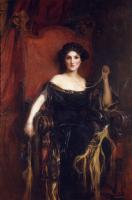

On 26th December 1918 Elizabeth Wellesley was born to Gerald Wellesley 7th Duke Wellington (age 33) and Dorothy Violet Ashton Duchess Wellington (age 29).
On 26th December 1969 William Humble Eric Ward 3rd Earl of Dudley (age 75) died. He was buried at the Earl of Dudley's Memory Garden, St Michael's Church, Himley [Map]. His son William (age 49) succeeded 4th Earl of Dudley of Dudley Castle in Staffordshire, 14th Baron Ward of Birmingham. Maureen Swanson Countess of Dudley (age 37) by marriage Countess of Dudley of Dudley Castle in Staffordshire.
On 26th December 1194 Frederick I King Jerusalem II Holy Roman Emperor was born to Henry Hohenstaufen VI Holy Roman Emperor (age 29). He married (1) 15th August 1209 his third cousin once removed Constance Barcelona, daughter of Alfonso II King Aragon and Sancha Ivrea Queen Consort Aragon, and had issue (2) 9th November 1225 Isabella Brienne II Queen Jerusalem and had issue (3) 20th July 1235 his fourth cousin once removed Isabella Plantagenet Holy Roman Empress, daughter of King John of England and Isabella of Angoulême Queen Consort England, and had issue.
On 26th December 1249 Edmund "Almain" 2nd Earl Cornwall was born to Richard of Cornwall 1st Earl Cornwall (age 40) and Sanchia Provence Queen Consort Germany (age 21). He a grandson of King John of England. He married 6th October 1272 his half fourth cousin once removed Margaret Clare Countess Cornwall, daughter of Richard de Clare 6th Earl Gloucester 5th Earl Hertford and Maud Lacy Countess Gloucester and Hertford.
On 26th December 1357 William Deincourt 3rd Baron Deincourt was born to William Deincourt 2nd Baron Deincourt (age 56) at Kirkby Bellars, Leicestershire. He married before 15th October 1381 his third cousin twice removed Alice Neville Baroness Deincourt, daughter of John Neville 3rd Baron Neville of Raby and Maud Percy Baroness Neville Raby, and had issue.
This is a translation of the 'Memoires of Jacques du Clercq', published in 1823 in two volumes, edited by Frederic, Baron de Reissenberg. In his introduction Reissenberg writes: 'Jacques du Clercq tells us that he was born in 1424, and that he was a licentiate in law and a counsellor to Philip the Good, Duke of Burgundy, in the castellany of Douai, Lille, and Orchies. It appears that he established his residence at Arras. In 1446, he married the daughter of Baldwin de la Lacherie, a gentleman who lived in Lille. We read in the fifth book of his Memoirs that his father, also named Jacques du Clercq, had married a lady of the Le Camelin family, from Compiègne. His ancestors, always attached to the counts of Flanders, had constantly served them, whether in their councils or in their armies.' The Memoires cover a period of nineteen years beginning in in 1448, ending in in 1467. It appears that the author had intended to extend the Memoirs beyond that date; no doubt illness or death prevented him from carrying out this plan. As Reissenberg writes the 'merit of this work lies in the simplicity of its narrative, in its tone of good faith, and in a certain air of frankness which naturally wins the reader’s confidence.' Du Clercq ranges from events of national and international importance, including events of the Wars of the Roses in England, to simple, everyday local events such as marriages, robberies, murders, trials and deaths, including that of his own father in Book 5; one of his last entries.
Available at Amazon in eBook and Paperback format.
On 26th December 1618 Elisabeth Palatinate Simmern was born to Frederick Palatinate Simmern V Elector Palatine Rhine (age 22) and Princess Elizabeth Stewart Queen Bohemia (age 22). She a granddaughter of King James I of England and Ireland and VI of Scotland.

On 26th December 1628 Thomas Cullum 2nd Baronet was born to Thomas Cullum 1st Baronet (age 41). He married 1656 Dudleia North, daughter of Henry North 1st Baronet and Sarah Rayney Lady North, and had issue.
On 26th December 1704 George Beauclerk was born to Charles Beauclerk 1st Duke St Albans (age 34) and Diana Vere Duchess St Albans (age 25). He a grandson of King Charles II of England Scotland and Ireland.
On 26th December 1729 Edward Astley 4th Baronet was born to Jacob Astley 3rd Baronet (age 37) and Lucy L'Estrange (age 30). Coefficient of inbreeding 1.56%. He married (1) 23rd May 1751 Rhoda Delaval and had issue (2) 1759 Anne Milles and had issue.


On 26th December 1734 George Romney was born in Beckside, Dalton in Furness.
On 26th December 1737 Prince Frederick Josias Saxe Coburg Saalfeld was born to Francis Josias Saxe Coburg Saalfeld Duke Saxe Coburg Saalfeld (age 40) and Duchess Anna Sophie Of Saxe-Coburg-Saalfeld (age 37) at Ehrenburg Palace, Coburg. Coefficient of inbreeding 3.37%.
On 26th December 1742 William Domville 1st Baronet was born to Charles Domville of London at St Albans, Hertfordshire [Map].
On 26th December 1766 Henrietta Laura Johnstone aka Pulteney 1st Countess Bath was born to William Johnstone aka Pulteney 5th Baronet (age 37) and Frances Pulteney (age 51).
On 26th December 1766 Francis Nathaniel Burton was born to Francis Burton aka Conyngham 2nd Baron Conyngham (age 41) and Elizabeth Clements. He was a twin with his brother Henry Conyngham 1st Marquess Conyngham. He married before 1808 Valentina Alicia Lawless, daughter of Nicholas Lawless 1st Baron Cloncurry and Margaret Browne Baroness Cloncurry.
On 26th December 1766 Henry Conyngham 1st Marquess Conyngham was born to Francis Burton aka Conyngham 2nd Baron Conyngham (age 41) and Elizabeth Clements. He was a twin with his brother Francis Nathaniel Burton. He married 5th July 1794 Elizabeth Denison Marchioness Conyngham and had issue.
Abbot John Whethamstede’s Chronicle of the Abbey of St Albans
Abbot John Whethamstede's Register aka Chronicle of his second term at the Abbey of St Albans, 1451-1461, is a remarkable text that describes his first-hand experience of the beginning of the Wars of the Roses including the First and Second Battles of St Albans, 1455 and 1461, respectively, their cause, and their consequences, not least on the Abbey itself. His text also includes Loveday, Blore Heath, Northampton, the Act of Accord, Wakefield, and Towton, and ends with the Coronation of King Edward IV. In addition to the events of the Wars of the Roses, Abbot John, or his scribes who wrote the Chronicle, include details in the life of the Abbey such as charters, letters, land exchanges, visits by legates, and disputes, which provide a rich insight into the day-to-day life of the Abbey, and the challenges faced by its Abbot.
Available at Amazon in eBook and Paperback format.

On 26th December 1770 Emily Fitzroy Baroness Bagot was born to Charles Fitzroy 1st Baron Southampton (age 33) and Anne Warren Baroness Southampton (age 32). She a great x 3 granddaughter of King Charles II of England Scotland and Ireland. She married 30th May 1799 William Bagot 2nd Baron Bagot, son of William Bagot 1st Baron Bagot and Elizabeth St John Baroness Bagot.
On 26th December 1777 Louis Hesse Darmstadt II Grand Duke was born to Louis I Grand Duke of Hesse (age 24). He married 19th June 1804 his first cousin Princess Wilhelmine Baden and had issue.
On 26th December 1779 Francis Almeric Spencer 1st Baron Churchill was born to George Spencer 4th Duke of Marlborough (age 40) and Caroline Russell Duchess of Marlborough (age 36). He married 25th November 1800 his second cousin Frances Fitzroy Baroness Churchill Wychwood, daughter of Augustus Henry Fitzroy 3rd Duke Grafton and Elizabeth Wrottesley Duchess Grafton, and had issue.
On 26th December 1786 Colonel William Berkeley 1st Earl Fitzhardinge was born illegitimately to Frederick Augustus Berkeley 5th Earl Berkeley (age 41) and Mary Cole. He a great x 3 grandson of King Charles II of England Scotland and Ireland.

On 26th December 1793 Charles Stephen Gore was born to Arthur Saunders Gore 2nd Earl Arran (age 59) and Elizabeth Underwood Countess of Arran. He married 1824 Sarah Rachel Fraser and had issue.
On 26th December 1795 Robert Henry Gunning 3rd Baronet was born to George William Gunning 2nd Baronet (age 32) and Elizabeth Diana Bridgeman.
On 26th December 1815 Montague Peregrine Bertie 11th Earl Lindsey was born to Albermarle Bertie 9th Earl Lindsey (age 71) and Charlotte Layard Countess Lindsey (age 35). He married 30th May 1854 Felicia Elizabetha Welby Countess Lindsey and had issue.

On 26th December 1822 Thomas Coke 2nd Earl of Leicester was born to Thomas Coke 1st Earl of Leicester (age 68) and Anne Amelia Keppel Countess Leicester (age 19). He married (1) 20th April 1843 his half fifth cousin once removed Juliana Whitbread Countess Leicester and had issue (2) 26th August 1875 Georgina Caroline Cavendish Countess Leicester, daughter of William George Cavendish 2nd Baron Chesham and Henrietta Frances Lascelles Baroness Chesham, and had issue.
On 26th December 1822 Anne Thomson was born to James Thomson (age 34) and Diana Lloyd. She married 1846 Frederick Goodall.

On 26th December 1827 Harriet Frances Maria Anson Baroness Vernon was born to Thomas William Anson 1st Earl Lichfield (age 32) and Louisa Barbara Catherine Phillips Countess Lichfield (age 27). She married 7th June 1851 her third cousin Augustus Henry Vernon 6th Baron Vernon, son of George Venables-Vernon aka Warren 5th Baron Vernon and Isabella Caroline Ellison, and had issue.
This is a translation of the 'Memoires of Jacques du Clercq', published in 1823 in two volumes, edited by Frederic, Baron de Reissenberg. In his introduction Reissenberg writes: 'Jacques du Clercq tells us that he was born in 1424, and that he was a licentiate in law and a counsellor to Philip the Good, Duke of Burgundy, in the castellany of Douai, Lille, and Orchies. It appears that he established his residence at Arras. In 1446, he married the daughter of Baldwin de la Lacherie, a gentleman who lived in Lille. We read in the fifth book of his Memoirs that his father, also named Jacques du Clercq, had married a lady of the Le Camelin family, from Compiègne. His ancestors, always attached to the counts of Flanders, had constantly served them, whether in their councils or in their armies.' The Memoires cover a period of nineteen years beginning in in 1448, ending in in 1467. It appears that the author had intended to extend the Memoirs beyond that date; no doubt illness or death prevented him from carrying out this plan. As Reissenberg writes the 'merit of this work lies in the simplicity of its narrative, in its tone of good faith, and in a certain air of frankness which naturally wins the reader’s confidence.' Du Clercq ranges from events of national and international importance, including events of the Wars of the Roses in England, to simple, everyday local events such as marriages, robberies, murders, trials and deaths, including that of his own father in Book 5; one of his last entries.
Available at Amazon in eBook and Paperback format.
On 26th December 1834 Arthur Cowell-Stepney 2nd Baronet was born to John Stepney Cowell-Stepney 1st Baronet (age 43). He married 24th August 1875 Margaret Warren and had issue.
On 26th December 1834 Charles Stuart Abbott 3rd Baron Tenterden was born to Charles Abbott (age 31) and Emily Frances Stuart. He married (1) 2nd August 1859 his first cousin Penelope Smyth Baroness Tenterden and had issue (2) 13th January 1880 Emma Mary Bailey Baroness Tenterden.
On 26th December 1836 Fanny Georgiana Pitt-Rivers Duchess Leeds was born to George Pitt-Rivers 4th Baron Rivers (age 26) and Susan Georgiana Leveson-Gower Baroness Rivers (age 26). She married 16th January 1861 her half first cousin George Godolphin Osborne 9th Duke Leeds, son of George Godolphin Osborne 8th Duke Leeds and Harriet Emma Arundel Stewart, and had issue.
On 26th December 1861 Elizabeth Maria Prendergast Vereker was born to Standish Prendergast Vereker 4th Viscount Gort (age 42) and Caroline Harriet Gage (age 38). She married (1) 12th June 1902 Philip Sidney 3rd Baron De Lisle and Dudley, son of Philip Sidney 2nd Baron De Lisle and Dudley and Mary Foulis (2) before 19th July 1958 William Harvey Astell of Woodbury Hall in Befordshire.
On 26th December 1874 Emily Bulwer-Lytton was born to Edward Robert Bulwer-Lytton 1st Earl (age 43) and Edith Villiers Countess Lytton (age 33). She married 1897 Edwin Landseer Lutyens and had issue.


On 26th December 1878 Frederick John Pollock 4th Baronet was born to Frederick Pollock 3rd Baronet (age 33) and Georgina Harriet Deffell Lady Pollock.
On 26th December 1918 Elizabeth Wellesley was born to Gerald Wellesley 7th Duke Wellington (age 33) and Dorothy Violet Ashton Duchess Wellington (age 29).
On 26th December 1925 Elizabeth Florence Marion Cholmondeley was born to Thomas Cholmondeley 4th Baron Delamere (age 25) and Phyllis Anne Montagu-Douglas-Scott Baroness Delamere (age 21). She married (1) 28th January 1947 Major Evelyn Delves Broughton 12th Baronet, son of Major John Delves Broughton 11th Baronet and Vera Edyth Griffith-Boscawen Lady Boughton (2) in or after 1953 Peter Barrington.
On 25 or 26th December 1251 King Alexander III of Scotland (age 10) and Margaret Queen of Scotland (age 11) were married at York Minster [Map]. She by marriage Queen Consort Scotland. The couple remained in York until Jan 1252 after which they travelled to Edinburgh. She the daughter of King Henry III of England (age 44) and Eleanor of Provence Queen Consort England (age 28). He the son of King Alexander II of Scotland and Marie Coucy (age 33). They were half fourth cousins. He a great x 3 grandson of King Henry I "Beauclerc" England.
On 26th December 1605 Charles Blount 1st Earl Devonshire (age 42) and Penelope Devereux Countess Devonshire (age 42) were married at Wansted House, Essex during a service conducted by Archbishop William Laud (age 32) (future). The marriage was regarded as uncanonical and resulted in the disgrace of both parties, who were banished from King James I's court circles. She by marriage Countess Devonshire. She the daughter of Walter Devereux 1st Earl Essex and Lettice Knollys Countess Essex and Leicester (age 62). They were third cousins.
On 26th December 1613 Robert Carr 1st Earl Somerset (age 26) and Frances Howard Countess Essex and Somerset (age 23) were married. She by marriage Countess Somerset. She the daughter of Thomas Howard 1st Earl Suffolk (age 52) and Catherine Knyvet Countess Suffolk (age 49).
Her marriage with her first husband Robert Devereux 3rd Earl Essex (age 22) had been annulled on the grounds of his impotence three months before causing something of a scandal.
On 26th December 1639 Lewis Boyle 1st Viscount Boyle (age 20) and Elizabeth Feilding Countess Guildford were married at the Chapel Royal, Whitehall Palace. She the daughter of William Feilding 1st Earl Denbigh (age 52) and Susan Villiers Countess Denbigh (age 56). He the son of Richard Boyle 1st Earl Cork (age 73) and Catherine Fenton Countess Cork.
Chronicle of a Bourgeois of Valenciennes
Récits d’un bourgeois de Valenciennes aka The Chronicle of a Bourgeois of Valenciennes is a vivid 14th-century vernacular chronicle written by an anonymous urban chronicler from Valenciennes in the County of Hainaut. It survives in a manuscript that describes local and regional history from about 1253 to 1366, blending chronology, narrative episodes, and eyewitness-style accounts of political, military, and social events in medieval France, Flanders, and the Low Countries. The work begins with a chronological framework of events affecting Valenciennes and its region under rulers such as King Philip VI of France and the shifting allegiances of local nobility. It includes accounts of conflicts, sieges, diplomatic manoeuvres, and the impact of broader struggles like the Hundred Years’ War on urban life in Hainaut. Written from the perspective of a burgher (bourgeois) rather than a monastery or royal court, the chronicle offers a rare lay viewpoint on high politics and warfare, reflecting how merchants, townspeople, and civic institutions experienced the turbulence of the 13th and 14th centuries. Its narrative style combines straightforward reporting of events with moral and civic observations, making it a valuable source for readers interested in medieval urban society, regional politics, and the lived experience of war and governance in pre-modern Europe.
Available at Amazon in eBook and Paperback format.
On 26th December 1678 Charles Cockayne 3rd Viscount Cullen (age 20) and Catherine Willoughby (age 23) were married.
On 26th December 1754 Robert Shirley 6th Earl Ferrers (age 31) and Catherine Cotton Countess Ferrers (age 35) were married.
On 26th December 1774 , at a double wedding ceremony, sisters Mary and Jane were married:
Thomas Graham 1st Baron Lynedoch (age 28) and Mary Cathcart (age 17) were married. They were fourth cousin once removed.
John Murray 4th Duke Atholl (age 19) and Jane Cathcart (age 20) were married. She by marriage Duchess Atholl. He the son of John Murray 3rd Duke Atholl and Charlotte Murray Duchess Atholl (age 43). They were second cousin once removed.
On 26th December 1775 Charles Manners 4th Duke Rutland (age 21) and Mary Isabella Somerset Duchess Rutland (age 19) were married. She the daughter of Charles Noel Somerset 4th Duke Beaufort and Elizabeth Berkeley Duchess Beaufort (age 62). They were half fourth cousins.

On 26th December 1799 George William Stafford-Jerningham 8th Baron Stafford (age 28) and Frances Henrietta Sulyarde were married.
On 26th December 1904 Henry Molyneux Paget Howard 19th Earl Suffolk 12th Earl Berkshire (age 27) and Margaret Hyde "Daisy" Leiter (age 25) were married. She a wealthy American heiress, one of many who married into English nobilty around the time. He the son of Henry Charles Howard 18th Earl Suffolk 11th Earl Berkshire and Mary Eleanor Coventry Countess Suffolk and Berkshire (age 57).


On 16th December 956 or 26th December 956 Archbishop Wulfstan died at Oundle, Northamptonshire [Map].
On 26th December 1126 Wulfhilde of Saxony Duchess Bavaria (age 54) died.
On 26th December 1191 Archbishop Reginald Fitz Jocelin died. See
Ralph of Coggeshall which gives the year as 1192.
On 26th December 1194 Aubrey de Vere 1st Earl of Oxford (age 79) died. His son Aubrey (age 31) succeeded 2nd Earl of Oxford.
Adam Murimuth's Continuation and Robert of Avesbury’s 'The Wonderful Deeds of King Edward III'
This volume brings together two of the most important contemporary chronicles for the reign of Edward III and the opening phases of the Hundred Years’ War. Written in Latin by English clerical observers, these texts provide a vivid and authoritative window into the political, diplomatic, and military history of fourteenth-century England and its continental ambitions. Adam Murimuth Continuatio's Chronicarum continues an earlier chronicle into the mid-fourteenth century, offering concise but valuable notices on royal policy, foreign relations, and ecclesiastical affairs. Its annalistic structure makes it especially useful for establishing chronology and tracing the development of events year by year. Complementing it, Robert of Avesbury’s De gestis mirabilibus regis Edwardi tertii is a rich documentary chronicle preserving letters, treaties, and official records alongside narrative passages. It is an indispensable source for understanding Edward III’s claim to the French crown, the conduct of war, and the mechanisms of medieval diplomacy. Together, these works offer scholars, students, and enthusiasts a reliable and unembellished account of a transformative period in English and European history. Essential for anyone interested in medieval chronicles, the Hundred Years’ War, or the reign of Edward III.
Available at Amazon in eBook and Paperback format.
On 26th December 1352 John Plantagenet 3rd Earl Kent (age 22) died. He was buried at Greyfriars Church, Winchester [Map]. Earl Kent extinct. His sister Joan (age 24) succeeded 5th Baroness Wake of Liddell. Some source suggest she also succeeded as 4th Countess of Kent but this is inconsistent with 1. her husband being created Earl of Kent as a new creation, and 2. her son not succeeding to the original Earldom?
On 26th December 1360 Thomas Holland 1st Earl Kent (age 46) died. He was buried at Blackfriars Friary, Stamford [Map]. His son Thomas (age 10) succeeded 2nd Earl Kent.
On 26th December 1458 Arthur Montfort III Duke Brittany (age 65) died. Earl Richmond extinct.
On 26th December 1476 Catherine Stafford Countess Shrewsbury and Waterford (age 39) died.
On 26th December 1476 Galeazzo Maria Sforza 5th Duke Milan (age 32) was murdered at the Basilica di Santo Stefano Maggiore, Milan [Map]. Supported by about thirty friends, the three men waited in the church for the duke to arrive for mass. When Galeazzo Sforza arrived, Lampugnani knelt before him; after some words were exchanged, Lampugnani rose suddenly and stabbed Sforza in the groin and breast. Olgiati and Visconti soon joined in, as did a servant of Lampugnani's. Sforza was dead within a matter of seconds. All the assassins quickly escaped in the ensuing mayhem save for Lampugnani, who became entangled in some of the church's cloth and was killed by a guard. His body soon fell into the hands of a mob, which dragged the corpse through the streets, slashing and beating at it; finally, they hung the body upside-down outside Lampugnani's house. The beheaded corpse was cut down the next day and, in an act of symbolism, the "sinning" right hand was removed, burnt and put on display. His son Gian (age 7) succeeded 6th Duke Milan.
On 26th December 1486 Anne Holland Countess Douglas and Avondale died.
On 26th December 1694 James Seton 4th Earl Dunfermline (age 51) died.
On 26th December 1702 Fitton Gerard 3rd Earl Macclesfield (age 39) died. Earl Macclesfield, Viscount Brandon of Brandon in Suffolk and Baron Gerard of Brandon in Suffolk extinct.
On 26th December 1718 William Wilson 2nd Baronet (age 74) died. His grandson William (age 13) succeeded 3rd Baronet Wilson of Eastbourne in Sussex.
On 26th December 1723 Mary Frances Fowler Countess Huntingdon (age 59) died.
On 26th December 1727 Other Windsor 2nd Earl Plymouth (age 48) died. His son Other (age 20) succeeded 3rd Earl Plymouth, 9th Baron Windsor of Stanwell in Buckinghamshire.
On 26th December 1728 George Verney 20th Baron Latimer 12th Baron Willoughby (age 69) died. He was buried at Compton Verney Chapel [Map]. His son Richard (age 35) succeeded 21st Baron Latimer of Corby, 13th Baron Willoughby Broke.
Abbot John Whethamstede’s Chronicle of the Abbey of St Albans
Abbot John Whethamstede's Register aka Chronicle of his second term at the Abbey of St Albans, 1451-1461, is a remarkable text that describes his first-hand experience of the beginning of the Wars of the Roses including the First and Second Battles of St Albans, 1455 and 1461, respectively, their cause, and their consequences, not least on the Abbey itself. His text also includes Loveday, Blore Heath, Northampton, the Act of Accord, Wakefield, and Towton, and ends with the Coronation of King Edward IV. In addition to the events of the Wars of the Roses, Abbot John, or his scribes who wrote the Chronicle, include details in the life of the Abbey such as charters, letters, land exchanges, visits by legates, and disputes, which provide a rich insight into the day-to-day life of the Abbey, and the challenges faced by its Abbot.
Available at Amazon in eBook and Paperback format.
On 26th December 1736 Metcalfe Robinson 2nd Baronet died. His brother Tancred (age 51) succeeded 3rd Baronet Robinson of Newby in Yorkshire. Mary Norton Lady Robinson by marriage Lady Robinson of Newby in Yorkshire.
On 26th December 1761 James King 4th Baron Kingston (age 68) died. Baron Kingston of Kingston in Dublin extinct.
On 26th December 1774 Stephen Fox 2nd Baron Holland (age 29) died. His son Henry (age 1) succeeded 3rd Baron Holland in Lincolnshire and 3rd Baron Holland of Foxley in Wiltshire.
On 26th December 1781 John Honywood 3rd Baronet (age 71) died. His grandson John (age 24) succeeded 4th Baronet Honywood of Evington in Kent.
On 26th December 1790 Jane Cathcart (age 36) died.

On 26th December 1793 Brownlow Cecil 9th Earl Exeter (age 68) died. His nephew Henry (age 39) succeeded 10th Earl Exeter, 11th Baron Burghley. Sarah Hoggins Countess Exeter (age 19) by marriage Countess Exeter.
On 26th December 1823 Arscott Ourry Molesworth 7th Baronet (age 34) died at Pencarrow House, Cornwall. His son William (age 13) succeeded 8th Baronet Molesworth of Pencarrow in Cornwall.
On 26th December 1827 Archibald Douglas 1st Baron Douglas (age 79) died.
On 26th December 1829 William Fowle Middleton 1st Baronet (age 81) died. His son William (age 45) succeeded 2nd Baronet Middleton of Crowfield in Suffolk.
On 26th December 1847 Dudley Ryder 1st Earl of Harrowby (age 85) died. His son Dudley (age 49) succeeded 2nd Earl of Harrowby, 3rd Baron Harrowby of Harrowby in Lincolnshire. Frances Stuart Countess Harrowby Lincolnshire by marriage Countess of Harrowby.
On 26th December 1863 Francis Caulfeild 2nd Earl Charlemont (age 88) died. His nephew James (age 43) succeeded 3rd Earl of Charlemont, 6th Viscount Charlemont in County Armagh, 9th Baron Caulfield. Elizabeth Jane Somerville Countess Charlemont (age 29) by marriage Countess of Charlemont.
Chronicle of Abbot Ralph of Coggeshall
The Chronicle of Abbot Ralph of Coggeshall (Chronicon Anglicanum) is an indispensable medieval history that brings to life centuries of English and European affairs through the eyes of a learned Cistercian monk. Ralph of Coggeshall, abbot of the Abbey of Coggeshall in Essex in the early 13th century, continued and expanded his community’s chronicle, documenting events from the Norman Conquest of 1066 into the tumultuous reign of King Henry III. Blending eyewitness testimony, careful compilation, and the monastic commitment to record-keeping, this chronicle offers a rare narrative of political intrigue, royal power struggles, and social upheaval in England and beyond. Ralph’s work captures the reigns of pivotal figures such as Richard I and King John, providing invaluable insights into their characters, decisions, and the forces that shaped medieval rule. More than a simple annal, Chronicon Anglicanum conveys the texture of medieval life and governance, making it a rich source for scholars and readers fascinated by English history, monastic authorship, and the shaping of the medieval world.
Available at Amazon in eBook and Paperback format.
On 26th December 1863 Mary Pigott Lady Broughton (age 76) died.
On 26th December 1874 John Watkins (age 51) died.
On 26th December 1900 Francis Houlton Hartwell 3rd Baronet (age 64) died. His nephew Brodrick (age 24) succeeded 4th Baronet Hartwell of Dale Hall in Essex.
On 26th December 1910 Edith Sophia Rowley Lady Cholmeley (age 62) died.
On 26th December 1922 Ardyn Mary Tyrwhitt Viscountess Knollys (age 62) died.
On 26th December 1927 William Henry Holland 1st Baron Rotherham (age 78) died. His son Stuart (age 51) succeeded 2nd Baron Rotherham of Broughton in Lancashire, 2nd Baronet Holland of Queen's Gate in Kensington.

On 26th December 1952 Maud Margaret Wilson Countess Huntingdon (age 84) died.
On 26th December 1961 Caroline Beatrix Parker Viscountess Bridgeman (age 88) died.
On 26th December 1969 William Humble Eric Ward 3rd Earl of Dudley (age 75) died. He was buried at the Earl of Dudley's Memory Garden, St Michael's Church, Himley [Map]. His son William (age 49) succeeded 4th Earl of Dudley of Dudley Castle in Staffordshire, 14th Baron Ward of Birmingham. Maureen Swanson Countess of Dudley (age 37) by marriage Countess of Dudley of Dudley Castle in Staffordshire.
On 26th December 1983 Bridget Hoare Baroness Somerleyton (age 84) died.
On 26th December 1989 Sybil Sassoon Marchioness Cholmondeley (age 95) died.


