All About History Books on Amazon

Chronicle of a Bourgeois of Valenciennes

Récits d’un bourgeois de Valenciennes aka The Chronicle of a Bourgeois of Valenciennes is a vivid 14th-century vernacular chronicle written by an anonymous urban chronicler from Valenciennes in the County of Hainaut. It survives in a manuscript that describes local and regional history from about 1253 to 1366, blending chronology, narrative episodes, and eyewitness-style accounts of political, military, and social events in medieval France, Flanders, and the Low Countries. The work begins with a chronological framework of events affecting Valenciennes and its region under rulers such as King Philip VI of France and the shifting allegiances of local nobility. It includes accounts of conflicts, sieges, diplomatic manoeuvres, and the impact of broader struggles like the Hundred Years’ War on urban life in Hainaut. Written from the perspective of a burgher (bourgeois) rather than a monastery or royal court, the chronicle offers a rare lay viewpoint on high politics and warfare, reflecting how merchants, townspeople, and civic institutions experienced the turbulence of the 13th and 14th centuries. Its narrative style combines straightforward reporting of events with moral and civic observations, making it a valuable source for readers interested in medieval urban society, regional politics, and the lived experience of war and governance in pre-modern Europe.

Available at Amazon in eBook and Paperback format.

Pandulf Verraccio -1226

Annals Londonienses. In the year of the Lord 1212, King John, finding himself in a difficult position and wishing to shift the blame onto those who had sought to restrain his fury, accused first one and then another of his nobles of treason, calling jealous those whose wives, as he boasted, he had violated, and wretched those whose daughters he had deflowered. Among the others, he began to assail Robert fitz Walter more severely with threats and insults. He also caused Robert's castle in London, namely Baynard's Castle, to be demolished on the Monday after the feast of Saint Hilary [15th January 1212], by the hands of unwilling Londoners. In the same year, in the month of January, Stephen of Langton, Archbishop of Canterbury, William, Bishop of London, and Eustace, Bishop of Ely, returned from the Roman Curia. Having held counsel overseas, they solemnly proclaimed to the King of France, the French bishops, the clergy and the people the sentence which had been passed at Rome against the King of England for his contumacy. Then, on behalf of the lord pope and for the remission of all sins, they enjoined both the King of France and all others to advance together against England as enemies, depose King John from the throne of the kingdom, and, by apostolic authority, appoint another who was worthy. The King of France, realising that the matter he had long desired was now at hand, prepared himself resolutely for war and ordered all his men to assemble under arms at Rouen. King John, having been informed of these things, caused all the ships of the Cinque Ports, fully equipped, to be assembled in the month of March to resist his enemies. While he was awaiting the arrival of the King of France along the coast, Pandulf came to the King of England from overseas and informed him of the dangers threatening him. He also declared that, unless he quickly placed himself under the protection of the lord pope's favour, he would lose everything. When the king had learnt from Pandulf the means by which he might obtain this protection, he swore in Pandulf's presence that he would submit to the judgement of the Church. Sixteen earls and many of the more powerful barons swore with him upon the king's soul, so that, should he later repent of his promise, they would compel him to observe it. He therefore surrendered the crown of England to Pope Innocent and performed homage to him, drawing up a charter which was sorrowful and detestable to all who heard it. The King of France, misled by the various representations of the lord pope's messengers, abandoned his enterprise once King John of England had been placed under the protection of the Roman Curia, having lost around forty thousand pounds of silver and suffered great disgrace. King John, who had been reduced from a king to a petty king, or rather had become the lord pope's tributary and vassal, failed to understand the prophecy of Peter the Hermit. Peter had declared, in the year of the Lord 1212, that King John would no longer be King of England on the next Ascension Day, and that on that day the crown of England would be transferred to another. The hearts of many therefore wavered. On the appointed day, however, when the king became tributary to the Roman pontiff, the meaning of the prophecy was made clear, although the same king retained the kingdom together with the crown. He therefore ordered the said Peter and his son to be hanged upon the gallows.

Anno Domini MCCXII rex vero Johannes in arto constitutus, culpam suam in ipsos, qui furorem suum voluerant cohibere, oupiens refundere, nunc hos nunc illos de suis nobilibus proditionis arguebat, vocando eos zelotypos, quorum uxores, ut jactabat, oppresserat, et miseros, quorum filias defloraverat; inter ceteros vero Robertum filium Walteri minis et convitiis magis cœpit deturpare; ejus quoque sternere castrum Londoniis constructum, escilicet castrum Baynardi, die Lunæ in crastino Sancti Hilarii, per manus invitoram Londoniensium. Eodem vero anno mense Januarii redierant a curis Romana Stephanus de Langethone Cantuariæ archiepiscopus, Willelmus Londoniensis et Eustachius Elyensis episcopi, et habito in transmarinis partibus consilio, regi Francorum et episcopis Gallicanis cum clero pariter et populo sententiam quæ in regem Angloram Romæ pro contumacia lata fuerat solenniter promulgarunt. Deinde ex parte domini papæ tem regi Francorum quam Ceteris universis in remissionem omnium peccaminum injunxerant, ut omnes pariter, ad Angliam hostiliter accedentes, Johannem regem a regni solio deponerent, et-alium qui dignus est, auctoritate apostolica subrogarent. Tunc rex Francoram, rem diu desideratam intelligens, accinxit se viriliter ad pugnam, et omnes sui homines cum armis apud Rothomagam fecit convenire. Rex vero Johannes, super hiis certificatus, fecit in mense Martii omnes naves Quinque-portuum optime munitas congregari contra suos hostes resistendas, et cam adventum regis Francorum super maritima expectaret, venit ad regem Angliæ Pandulphus, de transmarinis partibus imminentia sibi pericula nuntiando, affirmans quoque quod, nisi sub gratia domini papæ Citius protegatur, omnis se amissurum. Et cam modum protectionis rex ab eodem Pandulfo didicisset, juravit rex in præsentis ipsius Pandulfi, se judicio ecclesiæ pariturum, sedecim comitibus et multis de potentioribus baronibus$ simul cum eo jurantibus in anima ipsius regis, its quod, si forte pœniteret, ab eisdem hæc observare cogeretur. Resignavit igitur coronam Angliæ Innocentio papæ, et ei fecit homagium, cartam inde conficiens omnibus eam audientibus lugubrem et detestabilem. Rex igitur Francoram variis sermocinationibus nuntiorum domini papæ delusus, jam protecto rege Johanne Angloram sub clipeo Romanæ curiæ, destitit ab incepto, amissis circiter quadraginta milibus libraram argenti cum recepts magna verecundias. Rex vero Johannes qui de rege factus est regulus, immo domini papæ tributarius vel feodarius, nou intelligens Petri heremitæ prophetiam (dicentem, anno Domini MCCXII, quod rex Johannes non foret rex Angliæ die Ascensionis proximo sequentis; et die illa corons Angliæ ad alium transferretur; igitur vacillabant cords multorum: sed in die prædicta, quando scilicet rex factus est Romani pontificis tributarius, declaratum est verbum propheticum; sed quia idem rex rehabuit regnum cum corona,) jussit dictum Petram cum filio suo suspendi patibulo.

Click to read more ...

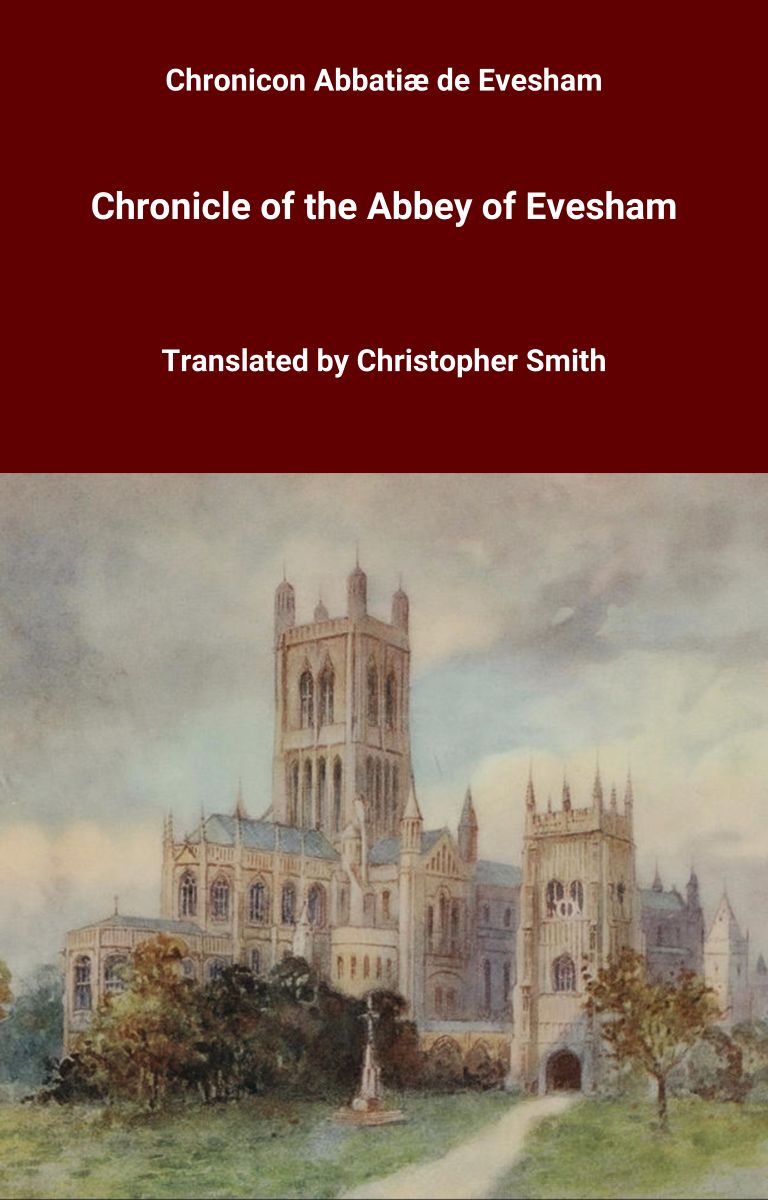
Chronicle of the Abbey of Evesham. On the fifth day after these events [in November 1213], at the request of the monastic community, the lord legate took pity on him and gave him the priory of Penwortham [Map] for his maintenance for life. Five months later, however, he took it away from him because of his offences. He then went to Rome, but was able to obtain neither the abbacy nor the priory, nor even recognition as a monk of this church. Returning therefore with his business unsuccessful, he attached himself to Silvester1, Bishop of Worcester, and suggested to him whatever he thought might harm us and our church, but he did us no injury. He also went with the bishop to the lord Wala, then legate of the Apostolic See, at Gloucester, and sought restoration to the abbacy, but obtained nothing from him, just as previously he had obtained nothing from the lord pope. Then, despairing of his own restoration, he demanded one hundred pounds which, as he said, he had fraudulently carried off from the church of Canterbury, claiming that the church of Evesham ought to restore it to that church because he asserted that he had spent the money for Evesham’s benefit. But the lord legate, in our absence, regarded his unsupported assertion as worthless. Then, pouring out all his malice and all his venom, he prostrated himself on the ground and said that against his conscience he had freed the church of Evesham from subjection to the Bishop of Worcester, and openly informed the lord legate of everything which he considered weak in our claim to liberty. But he put forward nothing worthy of belief. The lord legate, who at the time when judgement had been given in favour of the exemption of our church had sat with the other cardinals beside the lord pope, and who was among the cardinals especially learned in civil law, replied: "It was not you, wretched man, who freed the church of Evesham, nor were you even in Rome when the judgement was given. Rather, the lord pope, after examining and approving the privileges of the Roman pontiffs, declared it free by his judgement. And because you plead your own disgrace, you are not to be heard." And he ordered him to leave the house, and so he departed in confusion. Afterwards, when almost five years had passed since his deposition, the lord Pandulf, who was then exercising the office of legate in England, took pity on him and, lest he should remain a wandering monk for all the days of his life, restored to him the priory of Penwortham. There he withheld from the monastic community whatever revenues assigned to it he could. He lived there for almost six years thereafter2. During that time, although both Master Adam Sortes by word of mouth and I, as prior, through monks and through laymen who were his kinsmen and others, repeatedly admonished him, indeed advised and begged him, to write to the monastic community so that all resentment on both sides might be put aside, although we had already wholly put ours aside in our hearts, and also to ask the lord abbot and the monastic community that he might be made a monk of Evesham, he refused to agree to our requests. He died there and was buried in the same place. Although, therefore, as has been said, he was not one of our monks, nevertheless the lord abbot and the monastic community, acting piously towards him, caused everything to be done for him, both in spiritual and temporal matters, just as if he had died among us at Evesham as one of our own monks.3

Quinta post hæc die ad petitionem conventus misertus illius dominus legatus, dedit ei prioratum de Penwrtham ad vitæ sustentationem, quem post quinque menses propter excessus suos ei abstulit. Qui tunc Romam adiit, sed nec abbatiam nec prioratum nec etiam monachatum hujus ecclesiæ obtinere potuit. Reversus igitur infecto negotio, adhæsit Silvestro Wigornensi episcopo et quæcunque nobis et ecclesiæ nostræ nocitura credebat ei suggessit, sed nihil nobis nocuit. Ad dominum etiam Walam tunc temporis apostolicæ sedis legatum apud Glouerniam cum episcopo accessit, et restitutionem abbatiæ petiit, sed nihil ab eo obtinuit, sicut nec prius a domino papa. Tunc desperans de reformatione sua petiit centum libras quas ab ecclesia Cantuariensi, ut dicebat, fraudulenter asportaverat eidem ecclesiæ ab ecclesia Eveshamensi debere restitui, in cujus usus eas se expendisse asserebat. Sed dominus legatus ejus nudam assertionem in absentia nostra pro nihilo reputavit. Tunc omnem malitiam suam et omne venenum suum effundens, humi prostratus dixit quod contra conscientiam suam ecclesiam Eveshamensem a subjectione Wigornensis episcopi liberaverat et omnia quæ circa libertatem nostram infirma putabat domino legato palam intimavit, sed nulla fide digna proposuit. Unde dominus legatus qui tempore late sententiæ pro exemptione ecclesiæ nostræ cum aliis cardinalibus domino pape assederat, ut inter cardinales in jure civili peritissimus, respondit, "Non tu, miser, ecclesiam Eveshamensem liberasti, nec etiam tempore sententiæ latæ Romæ fuisti, sed dominus papa inspectis et approlatis privilegiis Romanorum pontificum eam liberam per sententiam suam declaravit. Et quia propriam turpitudinem allegas, non es audiendus;" — et jussit ut domum egrederetur, et sic confusus recessit. Postmodum vero, elapsis fere quinque annis a tempore depositionis suæ, misertus illius dominus Pandulfus qui tunc legationis officio fungebatur in Anglia, ne esset gyrovagus omnibus diebus vitæ suæ restituit ei prioratum de Penwrtham, ubi quoscunque redditus potuit conventui assignatos subtraxit. Vixit autem ibi postea to him in annis ferme sex, et quamvis pendente hoc tempore tam magister Adam Sortes viva voce quam ego prior, et per monachos et per viros sæculares consanguineos suos et alios, commonuissemus eum, immo consuluissemus et supplicassemus ei, quod scriberet conventui ut utrinque omnis indignatio remitteretur (quamvis nos ex animo omnino remissemus), et etiam peteret a domino abbate et conventu quod fieret monachus Eveshamiæ, noluit acquiescere nobis, sed mortuus est ibidem et sepultus in eodem loco. Quamvis itaque, ut dictum est, non esset monachus noster tamen pie agentes cum eo dominus abbas et conventus ita omnia pro eo tam in spiritualibus quam temporalibus agi fecerunt ac si Eveshamiæ apud nos monachus noster obiisset.

Note 1. Silvester de Evesham, prior of Worcester, was elected bishop 3rd April 1216, and consecrated 3rd July in the same year. It was in this year also that cardinal Guala [aged 63] came to England as legate of Innocent III.

Note 2. Abbot Roger Norreis died on 19th July 1223; Lambeth MS 589.

Note 3. The following passage is here inserted in Harl. 3763, on the margin of fol. 170 b: "During the time of this Abbot Roger, namely in the year of the Lord 1203, the altar of St John the Baptist was dedicated on the feast of St Theodore the Martyr by Philip, Archbishop of Tuam, in the province of Connacht in Ireland, granting to the benefactors of the same altar a remission of thirteen days. Also during his time, namely in the year of the Lord 1206, Ægidius, Primate of Ireland, ordained at Evesham in the month of September monks of Evesham and Bruern, together with several clerks."

The following passage is here inserted in Harl. 3763, on the margin of fol. 170 b: "Tempore istins Rogeri abbatis, videlicet anno Domini MCCIII dedicatum est altave sancti Johannis Baptistæ in die sancti Theodori martyris a Philippo Tuamensi archiepiscopo, Conuactiæ provineix Hiberniœ, relaxando benefactoribus ejusdem xiii. dies. Istius etiam tempore, videlicet anno Domini MCCVI, Ægidius primas Hiberniæ apud Evesham monachos Eveshamiæ, Brueriæ et plures clericos in Septembri ordinavit."

Click to read more ...
Chronicle of the Abbey of Evesham. After the abbot had therefore been deposed on the feast of St Cecilia [22nd November 1213], the lord legate let blood, and on the fourth day afterwards he met with us in the chapter house so that we might choose an abbot for ourselves. He examined everyone individually concerning the person who might lawfully be set over us, and had the statements of each man committed to writing. When the examination had been completed, he withdrew into a private chamber and, after deliberating with his advisers concerning our election, informed us through the lord Pandulf and his other assessors that, although he had taken part in many elections, he had never found in any religious community such disagreement and division as he found among us. His assessors therefore told us that the legate was greatly angered against us, and that we were in serious danger either that he might restore a man who had already been rejected, or that he might set some foreigner over us, which we especially feared since he himself was a Norman. Greatly alarmed by this, we sought their advice. Out of compassion for our desolation, they advised us that, if it pleased the lord legate, we should entrust to him our votes concerning the abbot who was to be set over us, although he could in fact have done this by authority of a privilege granted to him by the lord pope, which concession was afterwards shown to us. Since, for the reasons already stated, we accepted their advice, they brought the lord legate back into the chapter house, because he wished to hear this from our own mouths. When he had again taken his seat, I said to him by command of the chapter: "Holy Father, trusting in your holiness and justice, and knowing that you have zeal for God according to knowledge, we ask that, just as you have delivered us from our oppressor and from the destroyer of this church, so you will give us some man who knows how to order this house, to be our abbot and the shepherd of our souls. Yet this must be done in such a way that you preserve unimpaired the rights of this church according to our privileges, namely that you set no one over us except someone nominated by certain brethren of sounder judgement, and no one except from the diocese of the Hwicce, if perchance, which God forbid, no monk of this chapter should be found and nominated who is sufficient and suitable for this office. And also that he shall be blessed in our church by whichever bishop we prefer, without any exaction whatsoever of profession or obedience." The lord legate approved our request and said: "All these things shall be safely preserved for you. Indeed, we shall do even better for you. For you have your foot firmly planted in the Roman Church, and if in any way, which God forbid, you withdraw it from her, you will scarcely, if ever, plant it there again. Therefore, when on our advice you have elected someone, or have consented to the man whom we shall nominate for you, we shall confirm him in the place of the lord pope, as subject solely to the Roman pontiff and the Roman Church, with no intermediary. We have not yet done this for anyone in England. Furthermore, for as long as this abbey remains vacant, we shall retain its custody in our own hands, lest, if it should fall into the king’s hands, all its goods be confiscated and plundered by the king’s servants. In this way we shall perhaps preserve for you goods to the value of the five hundred marks which you owe to the Romans." He then entrusted the custody of the abbey to me and to one of his servants, and, having given his blessing, departed.

Deposito itaque abbate in die sanctæ Ceciliæ minuit sibi dominus legatus, et quarta die post hæc convenit nobiscum in capitulo, ut abbatem nobis eligeremus et super persona legitima nobis præficienda sigillatim examinavit universos, et dicta singulorum in scripturam redegit. Facto ergo examinatione secessit in conclavim, et habito cum suis super electione nostra tracthe differences respecting the choice tatu, renuntiavit nobis per dominum Pandulfum et alios collaterales suos, quod quum multis interfuerit electionibus nunquam in aliquo collegio tantam invenit dissidentiam et contrarietatem quantam in nobis. Unde idem collaterales ejus dixerunt legatum valde motum, contra nos, et magnum periculum nobis imminere ne aut hominem reprobatum reformaret, aut aliquem alienigenam (quod maxime timebamus, quum et ipse Normannus esset) nobis præficeret. Nos vero propter hæc valde consternati super his consilium eorum requirebamus. Ipsi siquidem desolationi nostræ compatientes consuluerunt nobis, ut de abbate nobis præficiendo in dominum legatum, si ei placeret, vota nostra conferremus; quamvis hoc ipsum auctoritate privilegii a domino papa eidem concessi facere potuisset, quæ indulgentia postea nobis fuit exhibita. Nobis vero consilio eorum propter prædictas rationes acquiescentibus duxerunt dominum legatum iterum in capitulum, quia ip ex ore nostro hoc audire volebat. Et quum iterum sedisset ex præcepto capituli dixi ei, "Pater sancte, confisi de sanctitate et justitia vestra, scientes quia zelum Dei habes et secundum scientiam, petimus ut sicut liberastis nos a nostro oppressore et ecclesiæ hujus subversore, ita detis nobis aliquem virum qui sciat huic domui disponere in abbatem et pastorem animarum nostrarum. Ita tamen quod jura ecclesiæ hujus secundum privilegia nostra conservetis illasa, videlicet, ne alium quam nominatum ab aliquibus fratribus sanioris consilii nobis præficiatis, nec alium quam ex parochia Wictiorum, si forte, quod absit, nullus monachus hujus capituli ad hoc officium sufficiens et idoneus sit inventus et nominatus; et etiam ut idem in ecclesia nostra a quo maluerimus episcopo absque omni exactione professionis et obedientiæ benedicatur." Et placuit domino legato petitio nostra, et dixit, "Bene salva vobis erunt omnia hæc. Immo melius faciemus vobis. Vos enim habetis pedem fixum in ecclesia Romana, et si quocunque modo, quod absit, illum ab ea retraxeritis, aut vix aut nunquam ipsum in ea iterum figetis. Quare quum de consilio nostro aliquem elegeritis vel in illum quem vobis nominaverimus consenseritis, nos illum confirmabimus vice domini papæ, ut solo Romano pontifici et ecclesiæ Romanæ nullo mediante subjectum; quod de nullo adhuc fecimus in Anglia. Præterea quamdiu vacaverit abbatia ista retinebimus custodiam ejus in manu nostra, ne si in manus regis devolveretur, omnia bona ejus confiscarentur et a servientibus regis diriperentur, et sic salvabimus vobis fortassis ad valentiam quingentarum marcarum quas debetis Romanis." Et tunc tradidit mihi et cuidam servienti suo custodiam abbatiæ et, data benedictione, recessit.

Click to read more ...

Chronicle of the Abbey of Evesham. After these things had been done, the lord legate came to us on the feast of Saints Fabian and Sebastian [20th January 1214] and advised us to elect that same prior [Randulf], saying that nothing in our petition prevented us from having him as abbot, since many of those among us of sounder judgement had already chosen him in the first examination. We therefore elected him, and the lord legate confirmed his election. We requested him from the chapter of Worcester, and he came to us on the feast of St Vincent [22nd January]. He was then sent by the lord legate, as Prior of Worcester, to the lord Archbishop of Canterbury to seek from him confirmation of the Bishop-elect of Worcester, and he obtained it. There was some murmuring there at the time because he did not seek confirmation of his own election, but when the reason was heard why the lord legate had confirmed him, the murmuring and complaint ceased. Afterwards, by command of the lord legate, he proceeded to York, and there the lord legate blessed him. After the blessing he placed the mitre upon his head, on the second Sunday [9th] of March, in the church of St Mary [Map]. That monastery had been so closely united with the monastery of Evesham from its foundation that they were regarded almost as one body and one church.

Quibus ita peractis venit ad nos dominus legatus in die sanctorum Fabiani et Sebastiani, et consuluit nobis ut eundem priorem eligeremus, dicens nihil obstare de petitione nostra quin illum haberemus abbatem quum etiam plurimi ex nobis sanioris consilii in prima examinatione illum elegissemus. Et elegimus eum, et dominus legatus confirmavit electionem ejus, et petivimus eum a capitulo Wigorniæ, et venit ad nos in die sancti Vincentii. Tunc missus est a domino legato ut prior Wigorniæ ad dominum Cantuariensem ut peteret ab eo confirmationem electi Wigornensis, et obtinuit. Factum est autem tunc ibi murmur eo quod non peteret propriæ electionis confirmationem, sed audita ratione quare dominus legatus eum confirmasset, cessavit murmur et querimonia. Deinde ex præcepto domini legati processit Eboracum, et benedixit ei ibidem dominus legatus, et post benedictionem imposuit mitram capiti ejus Dominica secunda mensis Martii in ecclesize sanctæ Mariæ, quod monasterium a fundatione sua ita confœderatum est monasterio Eveshamensi ut quasi unum corpus et una ecclesia reputentur.

Click to read more ...

Annals Londonienses. In the year of the Lord 1214, on the Thursday after the feast of Saints Processus and Martinian [3rd July], namely the fifth day before the Nones of July, the general interdict upon the English Church was lifted at Saint Paul's in London. Nicholas, the lord pope's legate, and Pandulf, his subdeacon, were present on the pope's behalf, together with the archbishop, the other bishops, and the aforesaid earls and barons who had sworn on behalf of the king and the kingdom. The interdict had lasted for six full years, fourteen weeks and twelve days.

Anno Domini MCCXIIII die Jovis in crastino Sanctorum Processi et Martiniani, videlicet quinto nonas Julii, relaxatur generale interdictum Anglicanæ ecclesiæ assistentibüs ex parte domini papæ Nicholao legato et Pandulpho ipsius subdiacono, cum ipso archiepiscopo et aliis episcopis et prædictis comitibus et baronibus juratis ex parte regis et regni, apud Sanctum Paulam, Londoniis; quod quidem interdictum duravit per sex annos plenos, quatuordecim septimanas et duodecim dies.

Annals of Six Kings of England by Nicholas Trivet [1258-1328]. 1218. Many nobles of the French and English, moved by devotion, undertook a pilgrimage to Jerusalem; among them were Ranulf de Blondeville and William de Ferrers, 4th Earl of Derby, brave and renowned men. John of Brienne and the duke of Austria, having gathered a strong army from a multitude of pilgrims of various nations, laid siege to the city of Damietta. They had previously, with great effort, captured a very strongly fortified tower situated in the channel of the river. Stephen Langton [aged 68], long detained at Rome, at last, having obtained permission, returned to England with honour. On the seventh day before the Ides of June, at Worcester, the venerable body of the blessed confessor Wulfstan of Worcester was translated into a silver shrine. Around the feast of St Clement the martyr [23rd November 1218], Pandulf Verraccio came to England, Guala Bicchieri [aged 68] having been recalled to the papal court. Simon de Montfort, 5th Earl of Leicester died during the siege of Toulouse, struck by a projectile from a siege engine. A certain Ranulf was made bishop of Chichester. Dominic de Guzmán, after receiving brother Reginald of Orléans, went into Spain and founded two houses of the brethren there. In the same year, when the brothers sent to Paris were staying in a rented house between the bishop's residence and the house of God, the university, observing their religious conduct and approving their studious life, granted them the house of Saint-Jacques Convent, where they remain to this day, and whose patronage the university still retains.

1218. NOBILES multi Francorum et Anglorum, devotione allecti, peregrinationem Ierosolymitanam sunt aggressi; inter quos fuerunt Ranulfus Cestriæ et Willelimus Derebeyæ comites, viri strenui et famosi. Joannes rex Jerusalem, et dux Austriæ, coadunato exercitu valido ex multitudine peregrinorum nationum diversarum, civitatem Damiatam obsederunt. Ceperant autem prius cum labore maximo turrim quandam munitissimam in alveolo fluminis sitam. Stephanus Cantuariensis, diu Romæ detentus, tandem impetrata licentia in Angliam rediit cum honore. Septimo idus Junii, apud Wigorniam, beati Vulstani confessoris corpus venerabile in capsam transfertur argenteam. Circa festum beati Clementis martyris Pandulfus venit in Angliam, Gualone ad curiam revocato. Simon comes Montis-fortis, in obsidione Tholosæ, ictu petrariæ percussus decedit. Ranulphus quidam fit episcopus Cicestrensis. Beatus autem Dominicus, post receptionem fratris Reginaldi, profectus in Hispaniam, duas in ea domos fratrum fundavit. Eodem anno, cum fratres missi Parisios starent in quadam domo conducta, inter domum episcopi et domum DEI, universitas attendens eorum religiosam conversationem, et vitam studiosam acceptans, contulit eisdem domum sancti Jacobi, ubi nunc manent, cujus usque in præsens penes se retinet patronatum.

Click to read more ...

Annals of Six Kings of England by Nicholas Trivet [1258-1328]. 1220. Frederick II, Holy Roman Emperor, king of the Romans and of Sicily, was crowned with the imperial diadem by Pope Honorius III in the basilica of St Peter's Basilica. On the feast of Pentecost, Henry III of England was crowned at London. A truce of four years between Philip II of France and King Henry of England, concerning Poitou, was agreed around the feast of St Peter's Chair. In this year the new work of Westminster Abbey was begun, and the king himself laid the first foundation stone. From every ploughland in England two shillings were granted to the king for the support of his estate. Stephen Langton [aged 70], preaching the cross at Westminster, announced the canonisation of Hugh of Lincoln, bishop of Lincoln, recently carried out by Pope Honorius. On the Nones of July [7th July], the venerable body of Thomas Becket was translated, in the presence of King Henry and Pandulf Verraccio, legate of the Apostolic See, with a great multitude of prelates and nobles, and was most carefully placed in a precious shrine. The Latins dwelling in Greece, while Emperor Peter II of Courtenay was still held in prison, sent solemn envoys to his son, the count of Namur, asking him to come and rule them. He, refusing the honour offered, sent his brother Henry of Courtenay, whom they gladly received and raised to the imperial dignity and crown. In this year the Christians captured the Egyptian city of Tanis, no less miraculously than they had earlier taken Damietta. In the same year, on pilgrimage to Jerusalem, Henry de Bohun and Saer de Quincy died.

1220. FREDBRICUS, Romanorum ct Siciliæ rex, ab Honorio papa in basilica S. Petri apostoli, imperiali diademate coronatur. In festo Pentecostes rex Henricus Londoniis coronatur. Treugæ quatuor annorum inter Philippum Francorum et Henricum Anglorum reges, circa Cathedram S. Petri, pro Pictavia sunt acceptæ. Hoc anno inchoatum est novum opus W estmonasterii, cujus in propria persona rex primum posuit lapidem fundamenti. De singulis autem carucis Angliæ dati sunt regi duo solidi, pro relevamine status sui. Stephanus Cantuariensis, crucem prædicans apud Westmonasterium, canonisationem S. Hugonis Lincolniensis episcopi publicavit, a papa Honorio nuper factam. Nonis Julii corpus venerabile beati Thomæ Martyris, præsentibus Henrico rege et Pandulfo apostolicæ sedis legato, cum multitudine prælatorum et procerum, translatum est, et in capsa pretiosa diligentissime collocatum. Latini qui morabantur in Græcia, detento adhuc in carcere Petro imperatore, missis solemnibus nuntiis ad fillum ejus comitem Namurcii, ut veniret et eis imperaret suppliciter invitarunt. Qui honorem sibi oblatum respuens, fratrem suum, Henricum nomine, ad eos transmisit; quem illi gratanter admittentes, imperiali honore et diademate sublimarunt. Hoc anno ceperunt Christiani civitatem Ægypti Tanis, non minori miraculo quam prius ceperant Damiatam. Hoc anno, in itinere peregrinationis Terosolymitanæ, Henricus de Boun Herfordensis, et Saerus de Quenci Wintoniensis comites obierunt.

Click to read more ...

Annals of Six Kings of England by Nicholas Trivet [1258-1328]. 1221. Isabella of Angoulême, mother of the king of England, without seeking the consent of her son or of his council, crossed over into France and married Hugh X of Lusignan, son of Hugh IX of Lusignan. He at once seized by force certain of the king's castles in Poitou and occupied them strongly. In the same year William de Forz stirred many to rebellion in the county of Lincolnshire. When he refused to come to the king's peace, he was bound by a sentence of excommunication by Pandulf Verraccio, legate of the Apostolic See. The king, subduing him and his supporters, consigned some to imprisonment and condemned others to perpetual exile. There were also certain other powerful men who were unjustly holding the king's fortresses, castles, and other possessions. Among the chief of these were Falkes de Bréauté, who held the counties of Northamptonshire, Oxfordshire, Buckinghamshire, and Bedfordshire with their castles and forests; Peter de Maulay, who held the castles of Corfe Castle and Sherborne Castle, with the counties of Somerset and Dorset; Philip Marc, who held the castles of Nottingham Castle and Peak Castle, with the counties of Nottinghamshire and Derbyshire; and Engelard de Cigogné, who held the castles of Windsor Castle and Odiham Castle, all to the injury of the king. These men were now compelled to surrender everything to the king's will. Hubert de Burgh married the sister of the king of Scotland, and, because of his outstanding loyalty and ability, was made guardian of the young king and justiciar of all England, with the consent of the great men of the realm.

1221. ISABELLA, mater regis Angliæ, irrequisito filio vel consilii sui consensu, transfretans in Galliam, nupsit comiti Marchiæ, filio Hugonis Brun, qui statim quædam castra regis in Pictavia in manu expugnans valida occupavit. Eodem anno Willelmus de Fortibus, comes de AlbaMarla, in comitatu Lincolniæ multos ad rebellionem commovit: qui dum ad pacem regis venire contemnit, a domino Pandulfo apostolicæ sedis legato excommunicationis sententia innodatur; quem etiam rex cum fautoribus subigens, quosdam carcerali custodiæ, quosdam exilio perpetuo condemnavit. Fuerunt quidam alii viri magni, qui munitiones, et castra, possessionesque alias regis dominicas injusto dominio usurpabant: inter quos præcipui erant Faukesius de Breaute, qui comitatus Northamptoniæ, Oxoniæ, Bukinghamiæ, Bedefordiæ cum castris et forestis adjacentibus; Petrus de Malo-Lacu, qui castra de Corf et de Schirebourne, cum comitatibus Somersetensi et Dorsctensi, custodiis et forestis; Philippus de Mark, qui castra de Notingham et de Pecto cum comitatibus Notinghamiæ et Derebeyæ ac forestis; Engelardus de Ciconia, qui castra de Windelesore et de Odiham, in regis injuriam detinuerant, et nunc coacti sunt omnia resignare regiæ voluntati. Hubertus de Burgo, comes Cantiæ, sororem regis Scotiæ accepit uxorem; qui ob probitatem et fidclitatem eximiam custos regis juvenis et totius Angliæ justitiarius factus est, omnium de regno majorum assensu.

Click to read more ...

Annals Londonienses. In the year of the Lord 1221, pleas of the Crown were heard at the Tower. In the same year, Eustace de Fauconberg was consecrated Bishop of London. In that same year, William of Sainte-Mère-Église, Bishop of London, resigned his pastoral staff and episcopal jurisdiction at London on the day after [26th January] the Conversion of Saint Paul, while retaining, by apostolic authority, the right to exercise pontifical functions in churches to which he was invited. Eustace de Fauconberg, the lord king's treasurer, was elected Bishop of London on the fifth day before the Kalends of March [25th February]. His election was confirmed by the legate Pandulf, since Stephen, the lord archbishop, was overseas. He was consecrated at Westminster, in the chapel of Saint Catherine, on the Sunday on which the Gospel "I am the good shepherd" is read, by Benedict, Bishop of Rochester.

Anno Domini MCCXXI. Hoc anno placitata fuerunt placita coronæ apud TurrimS Eodem anno Eustachius de Faucomberge fuit consecratus in episcopum Londoniensem. Eodem anno Willelmus de Sanctæ Mariæ Ecclesia, Londoniensis episcopus, Londoniis resignavit baculum cum jurisdictione episcopali, in crastino Conversionis Sancti Pauli, retenta sibi potestate, auctoritate apostolica, utendi pontificalibus in ecclesiis, ad quas fuerit invitatus. Eustachius de Faucomberge, domini regis thessurarius. eligitur in episcopum, Londoniensem, quinto kalendas Martii; et a legato Pandulpho, domino Stephano archiepiscopo in transmarinis existente, ipsius electio confirmatur; qui apud Westmonasterium in capella Beatæ Katerinæ, die Dominica, qua legitur, "Ego sum pastor bonus," a Benedicto Roffensi episcopo consecratur.

Annals Londonienses. Afterwards, on the Monday before the feast of Saint Mary Magdalene [19th July], Pandulf, Bishop-elect of Norwich, resigned his legateship at the command of Pope Honorius. No one immediately succeeded him as legate, and he departed from England after the feast of Saint Michael [29th September].The city of Damietta was wrested from Christian control on the vigil of the Beheading of Saint John [28th August]. Isabella [of Angoulême], the king's mother, crossed overseas and, without consulting the king or his council, attached herself to and married the Count of La Marche. He immediately attacked and maliciously occupied certain castles belonging to the lord king in Poitou. Peter des Roches, Bishop of Winchester, took the cross.

Postes die Lunæ ante fessum Sanctæ Marie Magdalenæ, Pandulphus Norwycensis electus cessit legationi suæ, ex mandato papæ Honorii, nallo alio ei tunc in legatione succedente; et recessit ab Anglin post festum Sancti Michaelis. Civitas Damietæ eripitur a potestate Christianorum, in vigilis Decollationis Sancti Johannis. Isabella mater regis transfretavit, adhærens et nubens comiti Marchiæ, inconsultis rege et ejus consilio; qui statim quædam castra domini regis in Pictavia malitiose expugnans occupavit. Petrus de Rupibus episcopus Wyntoniensis cruce signatus est.

On 29th May 1222 Pandulf Verraccio was consecrated Bishop of Norwich.

All About History Books on Amazon

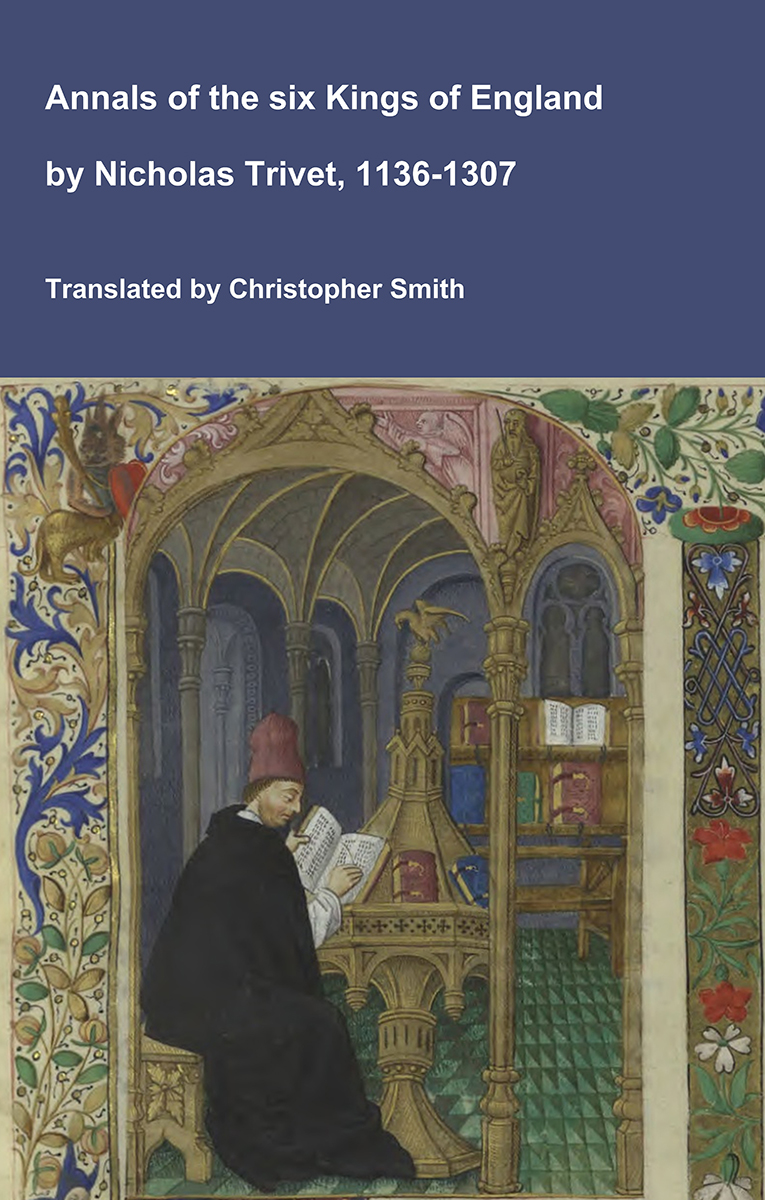
Annals of the six Kings of England by Nicholas Trivet

Translation of the Annals of the Six Kings of England by that traces the rise and rule of the Angevin aka Plantagenet dynasty from the mid-12th to early 14th century. Written by the Dominican scholar Nicholas Trivet, the work offers a vivid account of English history from the reign of King Stephen through to the death of King Edward I, blending political narrative with moral reflection. Covering the reigns of six monarchs—from Stephen to Edward I—the chronicle explores royal authority, rebellion, war, and the shifting balance between crown, church, and nobility. Trivet provides detailed insight into defining moments such as baronial conflicts, Anglo-French rivalry, and the consolidation of royal power under Edward I, whose reign he describes with particular immediacy. The Annals combines careful year-by-year reporting with thoughtful interpretation, presenting history not merely as a sequence of events but as a moral and political lesson. Ideal for readers interested in medieval history, kingship, and the origins of the English state, this chronicle remains a valuable and accessible window into the turbulent world of the Plantagenet kings.

Available at Amazon in eBook and Paperback format.

Annals Londonienses. In the same year [1226], William, Earl of Salisbury, brother of Kings Richard and John, died. Louis, King of France, took the cross against the Albigensians. Richard Marsh, Bishop of Durham, died, and the Bishop of Salisbury succeeded him. In the same year, Louis, King of France, after destroying the city of Avignon and preparing to return, was taken ill and died in Auvergne on the sixth day before the Ides [8th] of November. His son Louis was crowned at Rheims by the Bishop of Soissons, while the see of Rheims was vacant, on the feast of Saint Andrew the Apostle [30th November]. Benedict [of Sausetun], Bishop of Rochester, died on the fourteenth day before the Kalends of January [19th January 1227]. In the same year, Pandulf, Bishop of Norwich, died at Rome. Thomas de Blunville succeeded him and was consecrated at Westminster. Hubert de Burgh [aged 56] was made Earl of Kent. William Brewer the Elder died.

Eodem anno obiit Willelmus comes Sarisburie, frater regis Ricardi et Johannis. Ludowicus rex Francis cruce signatur super Albigenses. Obiit Ricardus de Marisco, Dunolmensis episcopus, cui successit episcopus Sarisberiensis. Eodem anno Lodowicus rex Francis, eversa urbe Avinione, redire disponens, morbo correptus obiit in Auvernia, sexto idus Novembris. Coronatur Lodowycus filius ejus apud urbem Remensem ab episcopo Sesonico, vacante sede Remense, die sancti Andre» apostoli. Obiit Benedictus Roffensis episcopus, quartodecimo kalendas Januarii Eodem anno obiit Pandulphus Norwicensis apud Romam, cui successit Thomas de Blumvillia, consecratus apud Westmonasterium. Effectus est Hubertus de Burgo comes Cantie. Obiit Willelmus Brewere senior.

On 16th September 1226 Pandulf Verraccio died.

Annals of Six Kings of England by Nicholas Trivet [1258-1328]. King John, seeing his barons rise against him, since they had bound themselves by letters to the king of France, promising the kingdom of England to Louis VIII of France, and perceiving also that the anger of the pope against him was increasing day by day, changed his mind. First, he allowed Archbishop Stephen Langton to return to his see and to exercise freely all the authority belonging to his dignity. Desiring also to be protected by the Church against both internal and external enemies, and at the urging of Pandulf Verraccio, legate of the Apostolic See, he made the whole kingdom of England and Ireland subject to God and to Saint Peter the Apostle, and to his vicar Pope Innocent III, and to his Catholic successors, for the remission of his sins and those of all his lineage, at an annual tribute of one thousand marks, seven hundred for England and three hundred for Ireland. He also issued a charter confirming this arrangement, containing the terms of the submission:

Joannes rex Angliæ videns barones suos contra se insurgere, utpote qui cum rege Francorum per litteras suas ligias fecerant, spondentes regnum Angliæ Lodovico filio regis ejusdem, offensamque domini papæ super se de die in diem aggravari, flexus est animo, et in primis archiepiscopum Stephanum ad suam permisit sedem accedere, ac libere in omnibus fungi sibi debita dignitate. Cupiens etiam contra hostes tam domesticos quam extraneos ecclesiastica protectione muniri, procurante Pandulpho, apostolicæ sedis legato, totum regnum suum Angliæ et Hiberniæ Dzo et beato Petro apostolo, ejusque vicario Catholico Innocentio papæ tertio, successoribusque Catholicis, in remissionem peccatorum suorum totiusque generis sui, in mille marcis, scilicet pro Anglia septingentis, et pro Hibernia trecentis constituit censuale, superque hoc chartam suam fecit subscriptum continentem tenorem:

Click to read more ...

Annals of Six Kings of England by Nicholas Trivet [1258-1328]. 'John, by the grace of God King of England, Lord of Ireland, Duke of Normandy and Aquitaine, Count of Anjou, to all the sons of Holy Mother Church to whom the present writing shall come, greeting. We wish it to be made known to you all that, since we have in many ways offended God and our mother, Holy Church, and for this reason recognise that we stand greatly in need of divine mercy, and since we have nothing worthy to offer for making due satisfaction to God and the Church except ourselves and our kingdoms, desiring to humble ourselves for Him who humbled Himself for us even unto death, with the grace of the Holy Spirit inspiring us, not compelled by force nor constrained by fear, but of our own good and free will, and by the best counsel of our barons, we offer and freely grant to God and to His holy apostles Peter and Paul, and to Holy Church of Rome our mother, and to our lord Pope Innocent and his Catholic successors, the whole kingdom of England and the whole kingdom of Ireland, with all their rights and appurtenances, for the remission of our sins and of all our lineage, both living and dead. Henceforth we receive and hold these realms from God and the Roman Church as a vassal, in the presence of the prudent man Pandulf, subdeacon and familiar of our lord the Pope; and from this we have sworn fealty and performed liege homage to the said lord Pope Innocent and his Catholic successors and to the Roman Church, according to the form set down below, just as we shall do in the presence of the Pope whenever we are able to be before him. We bind our successors, born of our wife, in perpetuity, that in like manner they shall be bound to render fealty to the Pope for the time being and to the Roman Church without contradiction, and to acknowledge this homage.'

'Joannes DE gratia rex Angliæ, dominus Hiberniæ, dux Normanniæ et Aquitaniæ, comes Andegaviæ, omnibus sanctæ matris ecclesiæ filiis, ad quos præsens scriptum pervenerit, salutem. Universitati vestræ notum fieri volumus, quod cum DEUM et matrem nostram sanctam ecclesiam in multis offenderimus, et propter hoc plurimum indigere divina misericordia noscamur, nec quid digne offerre possimus pro satisfactione DEO et ecclesiæ debita facienda, nisi nos ipsos habeamus et regna nostra, volentes humiliari pro Illo qui se humiliavit pro nobis usque ad mortem, gratia Spiritus Sancti inspirante, non vi inducti vel timore coacti, sed nostra bona spontaneaque voluntate, ad optimum consilium baronum nostrorum, offerimus et libere concedimus DEOet sanctis apostolis suis Petro et Paulo, et sanctæ Romanæ ecclesiæ matri nostræ, ac domino nostro papæ Innocentio, ejusque Catholicis successoribus, totum regnum Angliæ et totum regnum Hiberniæ cum omni jure et pertinentiis suis, pro redemptione peccatorum nostrorum, et totius generis nostri, tam pro vivis quam pro defunctis, et amodo illa a Do et ecclesia Romana, tanquam feodarius, recipientes et tenentes in præsentia prudentis viri Pandulphi, domini papæ subdiaconi et familiaris; fidelitatem exinde domino papæ prædicto Innocentio, ejusque successoribus Catholicis, et ecclesiæ Romanæ, secundum subscriptam formam, et homagium ligium eidem fecimus, sicut in præsentia domini papæ faciemus, coram eo quandocunque esse poterimus. Successores nostros de uxore nostra in perpetuum obligantes, ut simili modo pontifici qui pro tempore fuerit, et ecclesiæ Romanæ sine contradictione debeant fidelitatem præstare, et homagium recognoscere.'

Click to read more ...

Annals of Six Kings of England by Nicholas Trivet [1258-1328]. 1211. Otto IV having been condemned by apostolic authority, the princes of Germany elected Frederick II, king of Sicily, nephew of the former emperor Henry through his sister Constance and son of the former king William of Sicily, as king of the Romans. Coming to Rome, he was honourably received, and, after crossing the Alps and entering Germany, was crowned king of Germany at Mainz. King John of England subdued the rebellious Welsh, who nevertheless, regaining strength, again harassed England in the same year. Messengers, Pandulf Verraccio and Durand of Huesca, were sent into England by Pope Innocent III to attempt, if possible, to bring about peace between the king and the archbishop. In the same year, by public edict, prelates and clergy who had left England because of the harshness of the times were recalled to their own places; but the castle of the bishop of London, called Stortford, was destroyed by the king. Alexander II of Scotland, eldest son of the king of Scotland, came to London and was knighted by King John. Pope Innocent, seeing that King John was in no way softened by ecclesiastical discipline, wrote to the king of France and to other neighbouring princes to trouble the king of England, so that, at least by such pressure, he might relax the hardness of his spirit and return to obedience to the Roman Church, being harassed on every side by troubles and distress.

1211. OTHONE auctoritate apostolica condemnato, principes Alemanniæ Fredericum regem Siciliæ, Henrici quondam imperatoris ex sorore Constantia nepotem, fillum Willelmi quondam regis Siciliæ, in regem eligunt Romanorum; qui Romam veniens, honorifice suscipitur, et transcensis Alpibus Alemanniam ingressus, apud Maguntiam in regem Alemanniæ coronatur. Rex Angliæ Joannes Galenses rebellantes subegit, qui nihilominus resumptis viribus iterum eodem anno Angliam infestabant. Nuntii mittuntur in Angliam a papa Innocentio Pandulphus et Durandus, ut si quo modo possent, pacem inter regem et archiepiscopum procurarent. Eo dem anno sub edicto publico prælati et clerici, qui cedentes malitiæ temporum Angliam deseruerant, ad propria revocantur: castrum vero Londoniensis episcopi, quod 'Scorteforde dicitur, a rege evertitur. Alexander regis Scotorum primogenitus, Londonias veniens, a rege Joanne militaribus armis accingitur. Innocentius papa, videns regem Joannem ecclesiastica disciplina nullatenus emolliri, scripsit regi Francorum, et aliis principibus conterminis, ut regem Angliæ inquietarent, quatenus saltem per hujusmodi fractus exercitium rigorem animi conceptum remitteret, et ad Romanæ ecclesiæ obedientiam rediret tædiis et angustiis undique molestatus.

Click to read more ...

Annals of Six Kings of England by Nicholas Trivet [1258-1328]. After these things had been carried out, King John was publicly absolved from the sentence of excommunication in the cathedral church of Winchester, having first given sworn security that he would make restitution of what had been taken, both to clerics and to laymen, and that he would receive all back into full favour and goodwill. Thereupon the legate Pandulf, crossing into France, forbade Philip, king of the French, under threat of anathema, from invading England or in any way, either personally or through others, troubling the king of England, now reconciled to the Church, so as to prevent him from holding his kingdom in peace. Nevertheless, the interdict still continued in England, since the clergy were unwilling to relax it until full satisfaction had been made for the losses.

His peractis, Joannes rex a sententia excommunicationis absolvitur publice in ecclesia cathedrali Wintoniensi, præstita juratoria cautione de restitutione ablatorum tam clericis quam laicis facienda, et recipiendis omnibus in plenam gratiam et amorem. Exinde Pandulphus legatus, in Galliam transiens, Francorum regi Philippo sub anathematis interminatione prohibuit, ne transiret in Angliam, seu regem Angliæ jam reconciliatum ecclesiæ, quo minus regnum suum pacifice possideret, aliquatenus per se vel per alios infestaret. Duravit tamen adhuc interdictum in Anglia, clero illud relaxari nolente, quousque de ablatis satisfactum esset ad plenum.