


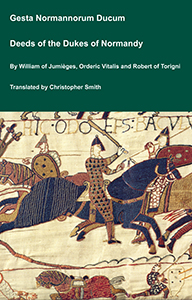
The Deeds of the Dukes of Normandy
The Gesta Normannorum Ducum [The Deeds of the Dukes of Normandy] is a landmark medieval chronicle tracing the rise and fall of the Norman dynasty from its early roots through the pivotal events surrounding the Norman Conquest of England. Originally penned in Latin by the monk William of Jumièges shortly before 1060 and later expanded at the behest of William the Conqueror, the work chronicles the deeds, politics, battles, and leadership of the Norman dukes, especially William’s own claim to the English throne. The narrative combines earlier historical sources with firsthand information and oral testimony to present an authoritative account of Normandy’s transformation from a Viking settlement into one of medieval Europe’s most powerful realms. William’s history emphasizes the legitimacy, military prowess, and governance of the Norman line, framing their expansion, including the conquest of England, as both divinely sanctioned and noble in purpose. Later chroniclers such as Orderic Vitalis and Robert of Torigni continued the history, extending the coverage into the 12th century, providing broader context on ducal rule and its impact. Today this classic work remains a foundational source for understanding Norman identity, medieval statesmanship, and the historical forces that reshaped England and Western Europe between 800AD and 1100AD.
Available at Amazon in eBook and Paperback format.
30 Jan is in January.
On 30th January 1164 William Longsword (age 27) died. He was buried at Notre Dame de Paris Cathedral [Map]. His death said to have been of a broken heart since he was unable to marry Isabella Warenne Countess Boulogne 4th Countess of Surrey (age 27) as a result of Archbishop Thomas Becket (age 44) refusing to grant the necessary dispensation. His death may have been the start of the rift between his elder brother King Henry II (age 30) and Becket.
On 30th January 1306 Archbishop William Greenfield was consecrated Archbishop of York at Lyons. The delay having been caused by the death of Pope Benedict XI.
Archaeologia Volume 35 1853 XXXIII. From the 30th of January to the 2nd of February, the Comte de Tancarville continues again a visitor at the Castle; and on the 1st of February, the Earl of Richmond, John (age 17), son of Edward III., dined with the Queen (age 63), his grandmother.
On 30th January 1384 Louis of Male III Count Nevers II Count Flanders (age 53) died. His daughter Margaret (age 36) succeeded III Countess Flanders.
Chronicle of Gregory [1400-1467]. 30th January 1442. Ande the xxx day of Janyver was certayne poyntys of armys done in Smethefylde [Map] by twyne a knyght of Catelan and a Engelysche squyer, i-callyde Syr John Ascheley; of the whiche tyme the son of the said knyght, in presens of alle the pepylle there, was made knyght opynly by the kyngys (age 20) owne hondys. And the said John Ayschelay also was made knyght att the same tyme.
On 30th January 1531 Robert Brudenell (age 70) died. Monument to Robert Brudenell and his two wives: Margaret Entwhistle and Philippa Power in St Peter's Church, Deene [Map]. The incription reads: Of your charite pray for the soules of Syr Robert Brudenell, Knight, late Chief Justice of the Kyngg's Common Bench at Westm. And Margaret, and Dame Philippe his wyves. Syr Robert dyed the xxx daye of Januaris, Anno Domini M[C/V]XXXI, and the said dame Philippe dyed xxviii daye of March, Anno Domini M[C/V]XXXII, and lye here, on whose soulles Jhu have mercy. Chunky Lions Mane. Swirling Tail.
Philippa Power: In 1505 Robert Brudenell and she were married. On 28th March 1532 she died.


The History of the Reformation Volume 1 Book III. But the duke of Norfolk at court, and Gardiner beyond sea, thought there might easily be found a mean to accommodate the king, both with the emperor and the pope, if the queen were once out of the way; for then he might freely marry any one whom he pleased, and that marriage, with the male issue of it, could not be disputed: whereas, as long as the queen lived, her marriage, as being judged all from the beginning, could never be allowed by the court of Rome, or any of that party. With less reasons of state, others of affection concurred. The queen had been his wife three years: but at this time he entertained a secret love for Jane Seimour (age 27), who had all the charms both of beauty and youth in her person; and her humour was tempered between the severe gravity of queen Katharine, and the gay pleasantness of queen Anne. The queen, perceiving this alienation of the king's heart, used all possible arts to recover that affection, of whose decay she was sadly sensible. But the success was quite contrary to what she designed: for the king saw her no more with those eyes, which she had formerly captivated; but grew jealous, and ascribed these caresses to some other criminal affections, of which he began to suspect her. This being one of the most memorable passages of this reign, I was at more than ordinary pains to learn all I could concerning it; and have not only seen a great many letters that were writ by those that were set about the queen, and catched every thing that fell from her, and sent it to court, but have also seen an account of it, which the learned Spelman, who was a judge at that time, writ with his own hand in his common-place book; and another account of it, writ by one Anthony Anthony, a surveyor of the ordnance of the Tower. From all which I shall give a just and faithful relation of it, without concealing the least circumstance, that may either seem favourable or unfavourable to her.


 Become a Member via our Buy Me a Coffee page to read more.
House of Lords Journal Volume 1 1542. The tenth day of Parliament.
MEMORANDUM, that on Monday, namely the penultimate day of January [1542], the Lords, both Spiritual and Temporal, whose names are written below, were present:
The Most Reverend Father in Christ, the Archbishop of Canterbury, the Archbishop of York, the Bishop of London, the Lord Bishop of Durham, the Lord Bishop of Winchester, the Bishop of Exeter, the Lord Bishop of Lincoln, the Bishop of Bath and Wells, the Lord Bishop of Ely, the Lord Bishop of Chichester, the Bishop of Norwich, the Lord Bishop of St Davids (Menevia), the Bishop of St Asaph, the Lord Bishop of Llandaff, the Bishop of Carlisle, the Lord Bishop of Salisbury, the Bishop of Worcester, the Bishop of Coventry and Lichfield, the Lord Bishop of Hereford, the Lord Bishop of Rochester, the Lord Bishop of Westminster, the Lord Bishop of Gloucester, the Lord Bishop of Peterborough, the Lord Bishop of Chester.
The Lord Audley of Walden, Lord Chancellor, the Duke of Norfolk, Lord High Treasurer of England, the Duke of Suffolk, Lord Great Steward of the King’s Household, the Earl of Southampton, Lord Privy Seal, the Marquess of Dorset, the Earl of Sussex, Lord Great Chamberlain of England, the Earl of Arundel, the Earl of Oxford, the Earl of Westmorland, the Earl of Shrewsbury, the Earl of Derby, the Earl of Worcester, the Earl of Cumberland, the Earl of Rutland, the Earl of Huntingdon, the Earl of Bath, the Earl of Hertford, the Earl of Bridgewater.
The Lord Russell, Lord High Admiral of England, Lord Audley, Lord Zouche, the Lord De La Warr, the Lord Morley, the Lord Dacre, Lord Cobham, Lord Mantravers, the Lord Ferrers, the Lord Poyntz, the Lord Clinton, the Lord Stourton, the Lord Scrope, the Lord Latimer, Lord Grey of Wilton, Lord Mountjoy, Lord Lumley, Lord Monteagle, Lord Sands, the Lord Windsor, the Lord Wentworth, the Lord Burgh, Lord Mordaunt, the Lord Saint John, the Lord Parr, the Lord Cromwell.
Reasons why the Lords who were appointed to writ on the late Queen had delayed going.
Today the Lord Chancellor made public for what better counsel the Lords of the Privy Council had postponed the legation destined for the Queen; namely, because in the meantime certain other matters, by no means to be disregarded, had occurred to their minds, which likewise were to be laid before the Royal Majesty, or rather to be earnestly requested of His Majesty.
First, that His Majesty would deign to apply his customary wisdom to counsel, to weigh with an even balance the changeable condition of human affairs, the fragile and corrupt nature [of mankind], that no one is not exposed to misfortune, and that nothing is in every respect happy; and that he would be willing to look to that upon which the entire state of the realm depends, so that by such recollection he might deign utterly to dispel from his mind all anxiety and vexation thus contracted.
Secondly, that the attainders of Thomas Culpeper and Francis Dereham be confirmed by his royal assent and by the authority of Parliament, and likewise that the attainders for misprision of Lord William Howard, etc., be ratified by the same authority.
Thirdly, that it be free for Parliament, by its judgment, to proceed to bring the cause of the Queen and of her other confederates to an end, so that the outcome of the business may no longer remain in doubt.
Fourthly, after all these things have been carried out in due order and according to the customary parliamentary procedure, that then, without any delay of time, the Royal Majesty would deign to apply his royal assent, not indeed present in person, or openly by word of mouth, as has been the custom in other Parliaments, but absent, by his letters patent, under the Great Seal of England and signed with his own hand, lest the renewed commemoration of so mournful a story and so unspeakable a crime, if done in his presence, should rekindle in the mind of the Prince a grief now well laid to rest.
Decimus dies Parliamenti.
MEMORANDUM, quod die Lune, videlicet, penultimo die Januarii, Proceres tam Spirituales quam Temporales, quorum nomina subscribuntur, presentes fuerunt:
p. Reverendissimus in Christo Pater Archiepus. Cantuarien. Archiepus. Eboracen. Epus. London. p. Epus. Dunelmen. p. Epus. Winton. Epus. Exon. p. Epus. Lincoln. Epus. Bath. et Wellen. p. Epus. Elien. p. Epus. Cicestren. Epus. Norwicen. p. Epus. Meneven. Epus. Assaven. p. Epus. Landaven. Epus. Carliolen. p. Epus. Sar. Epus. Wigorn. Epus. Coven. et Lich. p. Epus. Hereforden. p. Epus. Roffen. p. Epus. Westm. p. Epus. Gloucestren. p. Epus. Peterburgen. p. Epus. Cestren.
p. Ds. Audeley de Walden, Cancellarius. p. Dux Norff. Magnus Thesaurarius Anglie. p. Dux Suff. Magnus Magister Hospitii Dni. Regis. p. Comes Southampton, Ds. Privati Sigilli. p. Marchio Dorss. p. Comes Sussex, Magnus Camerarius Anglie. Comes Arundell. Comes Oxon. Comes Westmerland. p. Comes Salopp. p. Comes Derby. Comes Wigorn. Comes Cumbreland. p. Comes Rutland. p. Comes Huntingdon. Comes Bath. p. Comes Hertforde. p. Comes Bridgewater.
p. Ds. Russell, Magnus Admirallus Anglie. Ds. Audeley. Ds. Zouche. p. Ds. Dallawarr. p. Ds. Morley. p. Ds. Dacres. Ds. Cobham. p. Ds. Mantravers. p. Ds. Ferrers. p. Ds. Poys. p. Ds. Clinton. p. Ds. Stourton. p. Ds. Scrope. p. Ds. Latimer. Ds. Gray de Wilton. Ds. Mountjoye. Ds. Lomeley. Ds. Mountegle. Ds. Sands. p. Ds. Windesore. p. Ds. Wentwoorthe. p. Ds. Burgh. Ds. Mondaunte. Ds. Saint John. p. Ds. Parr. p. Ds. Crumwell.
Reasons why the Lords who were appointed to writ on the late Queen had delayed going.
HODIE Dominus Cancellarius palam fecit quo meliore Consilio Domini Privati Consilii Legationem ad Reginam destinatam distulerunt; nimirum, quod interea temporis quedam alia, minime contemnenda, eorum Animis occurrerunt, Regie itidem Majestati exponenda, aut potius a sua Majestate omnino flagitanda;
Primum, ut sua Majestas dignetur solitam ejus Sapientiam in Consilium adhibere, equa lance perpendere mutabilem humanarum rerum conditiotiem, Naturam fragilem et corruptam, neminem non casibus objectum, nihil ex omni parte beatum; ut sibi prospicere velit, unde universus Regni Status pendet, ut istiusmodi recordadone contractam Sollicitudinem ac Molestiam omnem penitus ex Animo dispellere dignetur.
Secundo, ut Attincture Thome Culpepper et Francisci Derham, suo Regio Assensu et Authoritate Parliamenti confirmentur, tum ut Attincture de Misprisione Domini Willielmi Haward, &c. eadem Authoritate rate fiant.
Tertio, ut liberum sit Parliamentari Judicio procedere ad Causam Regine finiendam, et aliorum Confederatorum, ne diutius in ambiguo sit Eventus Negotii.
Quarto, postquam hec omnia justo ordine et solito more Parliamentari peragentur, ut tum, sine ullo temporis protractione, Regia Majestas suum Regium Assensum adhibere dignetur, non quidem presens, aut palam verbis, ut in ceteris Parliamentis mos obtinuit, sed tum absens, per Literas suas Patentes, sub Magno Sigillo Anglie, et sua Manu signatas; ne nova tam flebilis Historie et nephandi Sceleris Commemoratio, si coram fiat, jam bene sopitum Dolorem renovet in Animo Principis.
Become a Member via our Buy Me a Coffee page to read more.
Henry Machyn's Diary. 30th January 1558. The Sonday the xxx day of January dyd pryche at Powlles Crosse [Map] the byshope of Wynchester (age 48), and mad a goodly sermon.
Henry Machyn's Diary. 30th January 1560. The xxx day of January was bered in sant Margettes-moyses master Busse skynner, on of the masturs of the hospetall, and ther was all the masturs of the hospetall with gren stayffes in ther handes, and all the masters of ys compene in ther leverey, and a xx clarkes syngyng; and he gayff a xij mantyll frys gownes, vj men and vj women; and ther dyd pryche master Juell (age 37) the nuw byshope of Salysbere, and ther he sayd playnly that ther was no purgatore; and after to ys howse to dener, and ther was a xvj [16] morners in blake gownes and cottes.
On 30th January 1606 Everard Digby (age 28), Robert Wintour (age 38), John Grant (age 36) and Thomas Bates (age 39) were hanged, drawn and quartered at St Paul's Cathedral Churchyard [Map] for their involvement in the Gunpowder Plot.

On 30th January 1607 around midday the Bristol Channel suffered from unexpectedly high floodings that broke the coastal defences in several places devastating significant areas of South-Wales and Somerset. It is estimated that 2,000 or more people were drowned, houses and villages were swept away, an estimated 200 square miles (51,800 ha) of farmland inundated, and livestock destroyed, wrecking the local economy along the coasts of the Bristol Channel and Severn Estuary. The coast of Devon and the Somerset Levels as far inland as Glastonbury Tor, 14 miles (23 km) from the coast, were also affected. The sea wall at Burnham-on-Sea [Map] gave way, and the water flowed over the low-lying levels and moors.
Contemporary depiction of the 1607 flood. The church is thought to be St Mary's at Nash, near Newport.
Gods Warning to England. Gods warning to his people of England By the great ouer-flowing of the waters or floudes lately hapned in South-wales and many other places. Wherein is described the great losses, and wonderfull damages, that hapned thereby: by the drowning of many townes and villages, to the vtter vndooing of many thousandes of people.
By Jones, William, of Usk.
At London printed for W. Barley, and Io. Bayly, and are to besolde in Gratious street.1607.
On 30th January 1617 Archbishop William Sancroft was born in Ufford Hall, Suffolk.
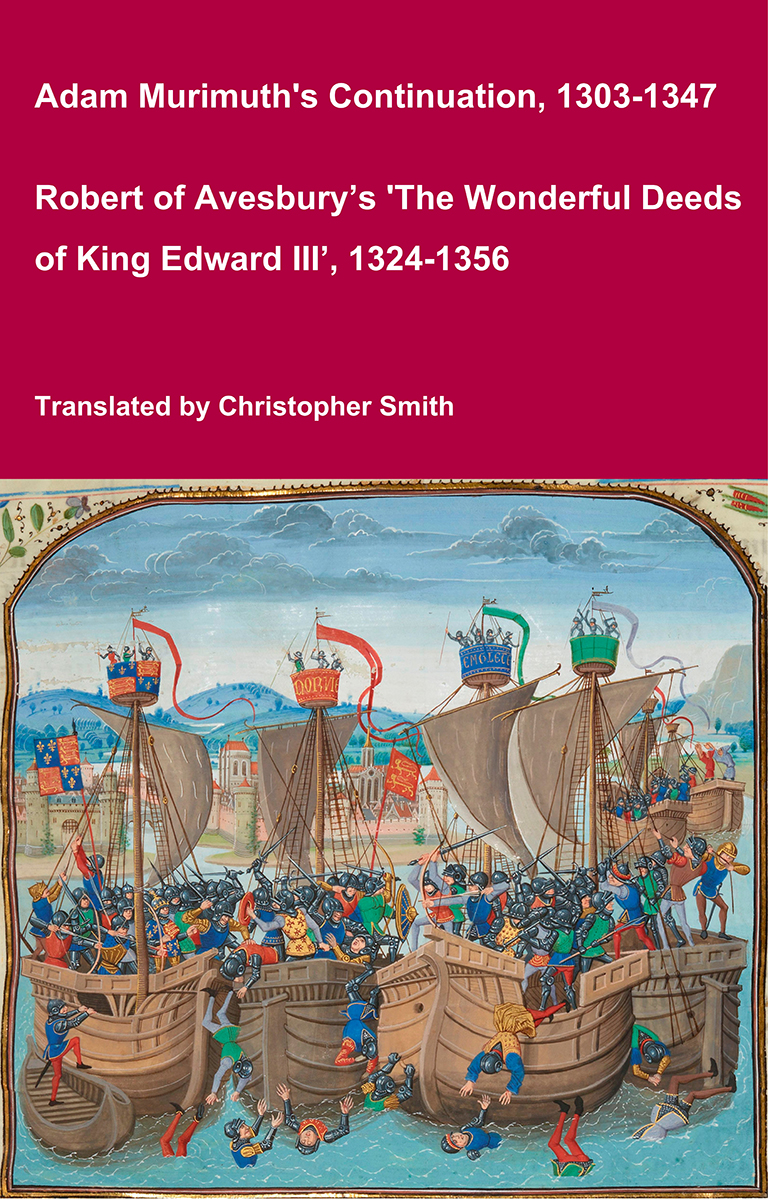
Adam Murimuth's Continuation and Robert of Avesbury’s 'The Wonderful Deeds of King Edward III'
This volume brings together two of the most important contemporary chronicles for the reign of Edward III and the opening phases of the Hundred Years’ War. Written in Latin by English clerical observers, these texts provide a vivid and authoritative window into the political, diplomatic, and military history of fourteenth-century England and its continental ambitions. Adam Murimuth Continuatio's Chronicarum continues an earlier chronicle into the mid-fourteenth century, offering concise but valuable notices on royal policy, foreign relations, and ecclesiastical affairs. Its annalistic structure makes it especially useful for establishing chronology and tracing the development of events year by year. Complementing it, Robert of Avesbury’s De gestis mirabilibus regis Edwardi tertii is a rich documentary chronicle preserving letters, treaties, and official records alongside narrative passages. It is an indispensable source for understanding Edward III’s claim to the French crown, the conduct of war, and the mechanisms of medieval diplomacy. Together, these works offer scholars, students, and enthusiasts a reliable and unembellished account of a transformative period in English and European history. Essential for anyone interested in medieval chronicles, the Hundred Years’ War, or the reign of Edward III.
Available at Amazon in eBook and Paperback format.

Diary of Anne Clifford. 30th January 1617. Upon the 30th Mr Amherst1 the Preacher came hither to see me with whom I had much talk. He told me that now they began to think at London that I had done well in not referring this business to the King and that everybody said God had a hand in it2.
Note 1. Jeffery Amherst, D.D., Rector of Horsemonden, brother of the Serjeant.
Note 2. All this time of my being in the country there was much ado at London about my business in so much that my Lord (age 27), my Uncle Cumberland, my Coz. Clifford, with the Chief Justice of the Council of both sides on divers times with the King hearing it go so directly for me, he said there was a law in England to keep me from the land.
There was during this time much cock fighting at the Court where the Lords' cocks did fight against the King's. Although this business was somewhat chargeable to my Lord yet it brought him into great grace and favour with the King so as he useth him very kindly and speaketh very often to him than of any other man. My Lord grew very great with my Lord of Arundel.
My Sister Compton and her husband were now upon terms of parting so as they left Horseley, she lying in London.
It was agreed she should have a £100 a year and he to have the Child from her.
My Lord did nothing so often come to Lord William as heretofore, the friendship between them grew cold, my Lord beginning to harbour some ill opinion of him.
He told me the Earl of Buckingham was sworn of the Privy Council and that my Lord Willoughby's brother, Mr H. Burtie, was put into the Inquisition at Ancona.
About this time there was much ado between my Lord of Hertford and Lord Beauchamp about the assurance of land to Mr William Seymour. But my Sister Beauchamp grew great with my Lord Hertford and so got the upper hand.
Become a Member via our Buy Me a Coffee page to read more.
Letters of John Chamberlain Volume 2.315. [30th January 1619] The earle of Suffolke (age 57) and his Lady (age 55) entertaine counsaile, and mean to stand to theire innocence. I have not seene the bill put in against them, but I heare that after a large commemoration and as yt were exprobation of the Kings favors and benefits, they are taxed with extortion, concussion, and oppression, besides briberie and false dealing as well in the matter of correns and alume, as specially in false inventaries of jewells, in displacing and altering of stones, and making them away at an undervalue to theyre owne benefit: how these matters can be aunswered I know not, but howsoever yt fall out I doubt yt will prove impar congressus [an uneven match].


Letters of John Chamberlain Volume 2.315. [30th January 1619] On Wensday divers were censured in the Star-chamber for building contrarie to the Kings proclamation; which was so far inforct that the Lord Cheife Justice (age 56) saide that yt was in effect, and had the nature of an act of parliament: they were fined at a yeares true valew, and to pull downe theyre houses, or els to build them anew according to order: now that these have led the daunce, all the rest that have built since the first proclamation must follow, or compound, which wold prove too great a matter to graunt my Lord of Arundell (who is saide to have the penaltie) though he have need of yt. The same day there was some entrance into the Lady of Excesters busines and order taken to abbreviat and cut of superfluous and impertinent matter and so make yt more fit for the Kings hearing, in which course there was some contesting twixt Sir Ed: Cooke, and the two Cheife Justices, [Henry Montagu 1st Earl Manchester and Henry Hobart 1st Baronet (age 59)] who are still observ'd to incline to the other side: the Lady of Excester went that day to the Star-chamber accompanied by the countesses of Arundell and Bedford, and a comitiva of I know not how many Ladies more to the number of almost thirty coaches, but whether she appeared in the court or no I cannot certainly learne. Secretarie Lake and his followers continue still confident, and some say the Lady Roos (age 19) was there likewise with her litle troupe: the speach goes that she is to marrie with the Lord John Pawlet (age 21) another grand-child of the earle of Excesters (age 76), and heire in apparance to the marquis of Winchester.
Letters of John Chamberlain Volume 2.315. [30th January 1619] The Quene (age 44) begins to recover and this weeke gave audience to the Venetian ambassador1 and the next day to the Baron of Donau2, and the States commissioners3 have sent to be admitted likewise. They were at a stand some ten dayes since, but now are fallen to yt again, though I doubt yt will prove a fruitles labour, unles the King and States interpose themselves and overrule the marchants on both sides: the Lord Digbie as he is prime in place, so he is held the prime man for under- standing and sufficiencie, and they say hath shewed himself in this treatie every way very able, as I have heard by divers that (I know) care not for his person, and yet commend his extraordinarie parts. The alarme of the Spanish preparations sounds lowde here at last, and minis- ters much matter of discourse: most men doubt!* they have a meaning to Ireland, the rather for that they have entertained many Scottish and Irish pilots, and that the earle of Argile (age 44) and Tirones sonne (age 19) are saide to be gon for Spaine: we talke of order taken for twenty ships to be presently made redy, half of the Kings, the rest marchants the best that can be had. Though we cannot be perswaded that he hath any intent hitherward yet is yt not goode to stand in his curtesie: for my part by all that I can gather I shold rather thincke he hath a mind to the Venetians, or to land his forces thereabout and go for Austria or Bohemia to settle and make sure all on that side, that he may the better hereafter follow his other desseigns a bell' agio and as occasions shall fall out.
Note 1. Antonio Donat.
Note 2. Christopher von Dohna, ambassador of Frederick, Elector Palatine.
Note 3. Cf. Letter 306, 309-312.


Become a Member via our Buy Me a Coffee page to read more.

Letters of John Chamberlain Volume 2.315. 315. To Sir Dudley Carleton. [S. P. Dom. Jac. I, cv, 69.] London, January 30, 1619.
My very goode Lord: This weeke Abell Barnard comming to towne I brought Dieston and him together to conclude on theyre journie,? which they have agreed to undertake the next weeke, for though Dieston were redy (yf the winde had served) to come presently, yet the other had not bid his wife fare-well and so must needs returne to take his leave. The Lord Chauncellor * hath conceaved certain new orders for his court and published them the first day of this terme. No doubt we shall have them shortly in print and then you shall have them with the first: there was a great assemblie to see and heare Sir Lionell Cranfeld at his first sitting in the court of wardes, but he deceaved all theyre expectation, and without further preamble asked what causes were to be heard that day and so fell to the busines. His predecessor the Lord of Wallingford (age 75) is retired into the countrie, but was not sent empty away, for besides the fee-farme of New-elme Parke he hath somwhat els in consideration; and when he delivered up his patent the King told him that having ben a long servant to Quene Elizabeth and him, he was loth to remove him, neither wold he accuse him of negligence, insufficiencie or corruption but only he had one fault common to him with divers other of his frends and fellowes, which could not stand with his service nor of the state, that he was altogether guided and overruled by an arch-wife (age 36).
On 30th January 1628 George Villiers 2nd Duke of Buckingham was born to George Villiers 1st Duke of Buckingham (age 35) and Katherine Manners Duchess Buckingham (age 25). He married 15th September 1657 his half fifth cousin Mary Fairfax Duchess Buckingham.


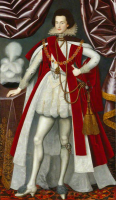


On 30th January 1649 Lionel Tollemache 3rd Earl Dysart was born to Lionel Tollemache 3rd Baronet (age 24) and Elizabeth Murray Duchess Lauderdale (age 22). He married 30th September 1680 Grace Wilbraham Countess Dysart, daughter of Thomas Wilbraham 3rd Baronet and Elizabeth Mytton Lady Wilbrahim, and had issue.


On 30th January 1649 Charles I (age 48) was beheaded with one clean stroke outside the Banqueting House, Whitehall Palace [Map]. He put his head on the block and, after saying a prayer, he signalled the executioner when he was ready by stretching out his hands.


Journal of Robert Leicester. The King (age 48) lay at Whytehall on Sunday night, on Monday night he lay at St. Jameses, and on Tuesday 30th January [1649] about 10 o'clock in the morning the King was brought from St. Jameses walking on foote through the Parke, with a regiment of foote, part before and part behinde him, with coulers flying, drums beating, his private guard of partisans with some of his gentlemen before and some behinde, bareheaded, — Doctor Juxon (age 67) next behinde him, and Collonell Tomlinson (who had the charge of him) talking with the King bareheaded, from the Parke up the staires into the Gallerye, and so into the chamber where he used to lye, where, he continued at his devotion, refusing to dine, (having before taken the sacrament) about an hour before he came forth only, he dranke a glass of claret wine, and eat a piece of bread, about twelve at noone. From thence he was accompanyed by Bishop Juxon, Coll. Tomlinson, and other officers formerly appointed to attend him, and the private guard of partisans, with musqueteers on each syde, through the Banquetting house [Map], adjoining to which the scaffold was erected, between Whitehall gate and the gallery leading to St. Jameses, &c. The King being come upon the scaffold, looked very earnestly upon the block, and asked Collonell Hacker if there were no higher, and then spake thus (directing his speech chiefly to Collonell Tomlinson, &c.)
"I declare before you all, that I dye a Christian according to the profession of the Church of England, as I found it left me by my father; and this honest man, pointing to Dr. Juxon, I thinke will witness it," &c. Many other things being sayd, the King layd his head down, and the executioner at one blow severed it from his body, which the second executioner held up, and shewed it to the spectators.
The executioners were two, and disguised in saylors clothes, with visards and peruques unknown; yet some have a conceit that he that gave the stroke, was one Collonell Foxe, and the other Captain Joyce, who took the King from Holmby, but that is not beleeved. This I heard for certain, that Gregory Brandon, the common hangman of London, refused absolutely to do it, and professed that he would be shott or otherways killed rather than do it.
The body was putt in a coffin, covered with black velvet, and layed in his lodging chamber in Whitehall.
Become a Member via our Buy Me a Coffee page to read more.
Proceedings against King Charles I: Speech. The Speech of King Charls upon the Scaffold at the gate of White Hall; immediately before the execution. January 30 [1649].
Diary of Philip Henry. On the day of his [King Charles I (age 48)] execution, which was Tuesday, Jan. 30 [1649], I stood amongst the crowd in the street before Whitehal gate, where the scaffold was erected, and saw what was done, but was not so near as to hear any thing. The Blow I saw given, & can truly say with a sad heart; at the instant whereof, I remember wel, there was such a Grone by the Thousands then present, as I never heard before & desire I may never hear again. There was according to Order one Troop immediately marching from-wards Charing-cross to Westm' & another from-wards Westm' to charing-cross purposely to masker the people, & to disperse & scatter them, so that I had much adoe amongst the jrest to escape home without hurt.
Adam Murimuth's Continuation and Robert of Avesbury’s 'The Wonderful Deeds of King Edward III'
This volume brings together two of the most important contemporary chronicles for the reign of Edward III and the opening phases of the Hundred Years’ War. Written in Latin by English clerical observers, these texts provide a vivid and authoritative window into the political, diplomatic, and military history of fourteenth-century England and its continental ambitions. Adam Murimuth Continuatio's Chronicarum continues an earlier chronicle into the mid-fourteenth century, offering concise but valuable notices on royal policy, foreign relations, and ecclesiastical affairs. Its annalistic structure makes it especially useful for establishing chronology and tracing the development of events year by year. Complementing it, Robert of Avesbury’s De gestis mirabilibus regis Edwardi tertii is a rich documentary chronicle preserving letters, treaties, and official records alongside narrative passages. It is an indispensable source for understanding Edward III’s claim to the French crown, the conduct of war, and the mechanisms of medieval diplomacy. Together, these works offer scholars, students, and enthusiasts a reliable and unembellished account of a transformative period in English and European history. Essential for anyone interested in medieval chronicles, the Hundred Years’ War, or the reign of Edward III.
Available at Amazon in eBook and Paperback format.

After 30th January 1652. Memorial at St Peter's Church, Tawstock [Map] to Sara Voysin, wife of Richard Pollard. She a member of the Earl of Westmorland's household who followed the newlywed Lady Rachel Fane (age 39) to the Earl of Bath's household.
M: S: Here under Lieth the Remains of Sara the Wife of Richard Pollard Gent: Educated in the French and English Courts, And thought Worthy to attend on the Right Hon: the Countisse of Westmoreland, And by her, Recommended to wait on her most dear Daughter Lady Rachel Countisse of Bathe.
This Sara Was Daughter to Monsr: Voysin, a Syndique of Gineva, Who most honourably lost his Life in defence of that free City, Her Grandfather was the learned Henricus Stephanus, And Isaac Causabon was her Uncle. She died 30th: Jan: MDCLII.
Samuel Pepys' Diary. 30th January 1660. Monday. This morning, before I was up, I fell a-singing of my song, "Great, good, and just", &c.1 and put myself thereby in mind that this was the fatal day, now ten years since, his Majesty died. Scull the waterman came and brought me a note from the Hope from Mr. Hawly with direction, about his money, he tarrying there till his master be gone. To my office, where I received money of the excise of Mr. Ruddyer, and after we had done went to Will's and staid there till 3 o'clock and then I taking my £12 10s. 0d. due to me for my last quarter's salary, I went with them by water to London to the house where Signr. Torriano used to be and staid there a while with Mr. Ashwell, Spicer and Ruddier. Then I went and paid £12 17s. 6d. due from me to Captn. Dick Matthews according to his direction the last week in a letter. After that I came back by water playing on my flageolette and not finding my wife come home again from her father's I went and sat awhile and played at cards with Mrs. Jam, whose maid had newly got an ague and was ill thereupon. So homewards again, having great need to do my business, and so pretending to meet Mr. Shott the wood monger of Whitehall I went and eased myself at the Harp and Ball, and thence home where I sat writing till bed-time and so to bed. There seems now to be a general cease of talk, it being taken for granted that Monk (age 51) do resolve to stand to the Parliament, and nothing else. Spent a little time this night in knocking up nails for my hat and cloaks in my chamber.
Note 1. This is the beginning of the Marquis of Montrose's verses on the execution of Charles I which Pepys had set to music: ...

John Evelyn's Diary. 30th January 1661. This day (Oh, the stupendous and inscrutable judgments of God!) were the carcasses of those arch-rebels, Cromwell, Bradshawe (the judge who condemned his Majesty), and Ireton (son-in-law to the Usurper), dragged out of their superb tombs in Westminster [Map] among the Kings, to Tyburn [Map], and hanged on the gallows there from nine in the morning till six at night, and then buried under that fatal and ignominious monument in a deep pit; thousands of people who had seen them in all their pride being spectators. Look back at October 22 1658, and be astonished! and fear God and honour the King (age 30); but meddle not with them who are given to change!


Samuel Pepys' Diary. 30th January 1661. So I went home, and there understand that my mother is come home well from Brampton, and had a letter from my brother John (age 20), a very ingenious one, and he therein begs to have leave to come to town at the Coronacion. Then to my Lady Batten's; where my wife and she are lately come back again from being abroad, and seeing of Cromwell, Ireton, and Bradshaw hanged and buried at Tyburn [Map]. Then I home1.
Note 1. "Jan. 30th was kept as a very solemn day of fasting and prayer. This morning the carcases of Cromwell, Ireton, and Bradshaw (which the day before had been brought from the Red Lion Inn, Holborn), were drawn upon a sledge to Tyburn [Map], and then taken out of their coffins, and in their shrouds hanged by the neck, until the going down of the sun. They were then cut down, their heads taken off, and their bodies buried in a grave made under the gallows. The coffin in which was the body of Cromwell was a very rich thing, very full of gilded hinges and nails".-Rugge's Diurnal.
Samuel Pepys' Diary. 30th January 1666. So home to my wife, whom I find not well, in bed, and it seems hath not been well these two days. She rose and we to dinner, after dinner up to my chamber, where she entertained me with what she hath lately bought of clothes for herself, and Damask linnen, and other things for the house. I did give her a serious account how matters stand with me, of favour with the King (age 35) and Duke (age 32), and of danger in reference to my Lord's and Sir G. Carteret's (age 56) falls, and the dissatisfaction I have heard the Duke of Albemarle (age 57) hath acknowledged to somebody, among other things, against my Lord Sandwich (age 40), that he did bring me into the Navy against his desire and endeavour for another, which was our doting foole Turner.


On 28th January 1678 Philip "Infamous Earl" Herbert 7th Earl Pembroke 4th Earl Montgomery (age 26) was imprisoned at Tower of London [Map] by King Charles II of England Scotland and Ireland (age 47) "for uttering such horrid and blasphemous words, and other actions proved upon oath, as are not fit to be repeated in any Christian assembly". He was released two days later on 30th January 1678.
On 30th January 1680 Clement Spelman (age 72) died. He was buried at All Saints Church, Narborough [Map] apparently having requested to be buried upright.
Clement Spelman: Around 1608 he was born to Clement Spelman of Narborough and Ursula Willoughby.


Calendar of State Papers Charles II 30 Jan 1668. 30th January 1688. Woolwich. William Acworth to Sam. Pepys (age 54). Desires that his coming up to the Woolwich. Board on Clayford's complaint may be deferred till after the survey by Col. Middleton of the provisions in the stores; wants a copy of Clayford's petition, and his Royal Highmess's reference, that he may have time to clear himself; is receiving 100 tons of hemp from Sir John Shaw, and 40 from Mr. Hayle. [Ibid. No. 124.]


John Evelyn's Diary. 30th January 1689. The anniversary of King Charles I's MARTYRDOM; but in all the public offices and pulpit prayers, the collects, and litany for the King (age 38) and Queen (age 30) were curtailed and mutilated. Dr. Sharp (age 43) preached before the Commons, but was disliked, and not thanked for his sermon.

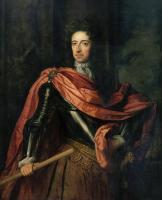


John Evelyn's Diary. 30th January 1698. The Czar of Muscovy being come to England, and having a mind to see the building of ships, hired my house at Sayes Court, Deptford [Map], and made it his court and palace, newly furnished for him by the King (age 47).
On 30th January 1719 John Egerton (age 14) died of smallpox at Eton College [Map]. He was buried at St Peter and St Paul Church, Little Gaddesden on 5th February 1719.

On 30th January 1723 Mundeford Spelman (age 82) died. He was buried at All Saints Church, Narborough [Map].
Mundeford Spelman: On 1st August 1640 he was born to John Spelman and Anne Heveningham. Before 28th September 1691 Mundeford Spelman and Anna Walpole were married.
On 30th January 1741 Fredericka Louise Saxe Coburg Altenburg was born to Duke Frederick III of Saxe Coburg Altenburg III (age 41) and Luise Dorothea Saxe Meiningen Duchess Saxe Gotha Altenburg (age 30).
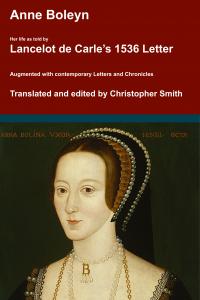
Anne Boleyn. Her Life as told by Lancelot de Carle's 1536 Letter.
In 1536, two weeks after the execution of Anne Boleyn, her brother George and four others, Lancelot du Carle, wrote an extraordinary letter that described Anne's life, and her trial and execution, to which he was a witness. This book presents a new translation of that letter, with additional material from other contemporary sources such as Letters, Hall's and Wriothesley's Chronicles, the pamphlets of Wynkyn the Worde, the Memorial of George Constantyne, the Portuguese Letter and the Baga de Secrets, all of which are provided in Appendices.
Available at Amazon in eBook and Paperback format.
On 30th January 1745 Duke Ernest of Saxe Coburg Altenburg was born to Duke Frederick III of Saxe Coburg Altenburg III (age 45) and Luise Dorothea Saxe Meiningen Duchess Saxe Gotha Altenburg (age 34) at Gotha. He married 21st March 1769 his first cousin once removed Charlotte Saxe Meiningen Duchess Saxe Gotha Altenburg and had issue.
On 30th January 1761 Bishop George Murray was born to John Murray 3rd Duke Atholl (age 31) and Charlotte Murray Duchess Atholl (age 29). Coefficient of inbreeding 6.29%.
On 30th January 1796 John Ternouth was born at Andover, Hampshire [Map]. He married 13th August 1814 Sarah Abbot.
On 30th January 1801 Anton Einsle was born.
On 30th January 1805 Mary Aston Lady Blount (age 61) burned to death at her son's house.

On 30th January 1826 the Menai Suspension Bridge [Map], the world's first major suspension bridge, was opened. The bridge was designed by Thomas Telford. Construction had begun in 1819.
1840 lithograph of the bridge.
Archaeologia Volume 22 Section XVI. James Street, Westminster, 30th January, 1828. MY LORD, CONCEIVING that the pages of our Transactions cannot be better occupied than by the publication of such early and authentic manuscripts as may serve to throw light on obscure periods of our ancient History, I beg leave to lay before the Society a transcript which I have caused to be made from the Harleian Library of a Chronicle containing a very minute relation of some remarkable events in the two last years of Edward the Third, which, as our Vice President, Mr. Hallam, has observed in his History of the Middle Ages, have been slurred over by most of our general historians. My attention was drawn to this Manuscript some years ago by a note subjoined to a luminous and elaborate disquisition on parliamentary Impeachments, in the Annual Register for 1791. The Article referred to, if not written by Mr. Burke himself, was probably from the pen of his friend, the late learned Dr. Laurence, who at that period I believe had succeeded him as the Editor of the historical portion of Dodsley's Register. It seems most probable indeed that a paper of so much importance in the vindication of the course which had been pursued by the Managers of Hastings's trial was the joint and careful production of these two distinguished men. In the note alluded to, a wish is expressed that the MS. in question might be published, "especially as all the latter part of Edward the Third's reign is wanting in Knighton, and the whole reign in the Continuator of Croyland." The writer of the note appears to have derived his knowledge of the Harleian Manuscript from Bishop Lowth's Life of William Wykeham, in which it had been used with great advantage. As Lowth in his Preface has given a descriptive notice of the MS., I conceive I cannot do better than transcribe it.
On 30th January 1832 Infanta Luisa Fernanda Duchess of Montpensier was born to Ferdinand VII King Spain (age 47). She married her fifth cousin Antoine Orléans Duke Montpensier and had issue.
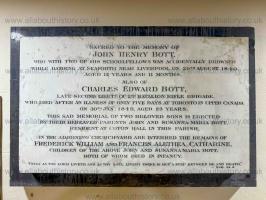
Memorial at St Werburgh's Church, Hanbury [Map] to John Henry Bott who, with two of his schoolfellows, drowned while bathing at Seaforth near Liverpool on 26th August 1840, and to 2nd Lieutenant Charles Edward Bott, died after an illness at Toronto, Canada, 30th January 1849. Both children of John and Susanna Maria Bott who resided at Coton Hall, Hanley. Also to their two children Frederick and Frances who died young.
On 30th January 1893 John Scott 7th Duke Buccleuch 9th Duke Queensberry (age 28) and Margaret Alice "Molly" Bridgeman Duchess Buccleuch Duchess Queensbury (age 21) were married. She the daughter of George Cecil Orlando Bridgeman 4th Earl Bradford (age 48) and Ida Frances Annabella Lumley Countess Bradford (age 44). He the son of William Scott 6th Duke Buccleuch 8th Duke Queensberry (age 61) and Louisa Jane Hamilton Duchess Buccleuch and Queensbury (age 56). They were third cousin once removed. He a great x 5 grandson of King Charles II of England Scotland and Ireland.
On 30th January 1894 William Humble Eric Ward 3rd Earl of Dudley was born to William Humble Ward 2nd Earl of Dudley (age 26) and Gertrude "Gertie" Millar Countess of Dudley (age 14). He married (1) 8th March 1919 Rosemary Millicent Sutherland-Leveson-Gower, daughter of Cromartie Sutherland-Leveson-Gower 4th Duke of Sutherland and Millicent Fanny St Clair-Erskine Duchess of Sutherland, and had issue (2) 23rd February 1943 Frances Laura Charteris Duchess of Marlborough.


On 30th January 1895 Reverend Bryan King (age 83) died at .
The History of William Marshal was commissioned by his son shortly after William’s death in 1219 to celebrate the Marshal’s remarkable life; it is an authentic, contemporary voice. The manuscript was discovered in 1861 by French historian Paul Meyer. Meyer published the manuscript in its original Anglo-French in 1891 in two books. This book is a line by line translation of the first of Meyer’s books; lines 1-10152. Book 1 of the History begins in 1139 and ends in 1194. It describes the events of the Anarchy, the role of William’s father John, John’s marriages, William’s childhood, his role as a hostage at the siege of Newbury, his injury and imprisonment in Poitou where he met Eleanor of Aquitaine and his life as a knight errant. It continues with the accusation against him of an improper relationship with Margaret, wife of Henry the Young King, his exile, and return, the death of Henry the Young King, the rebellion of Richard, the future King Richard I, war with France, the death of King Henry II, and the capture of King Richard, and the rebellion of John, the future King John. It ends with the release of King Richard and the death of John Marshal.
Available at Amazon in eBook and Paperback format.
On 30th January 1925 Antoine Alfred Agénor de Gramont 11th Duc de Gramont (age 73) died. His son Armand (age 45) succeeded 12th Duke Gramont. Élaine Greffulhe Duchess Gramont (age 42) by marriage Duchess Gramont.


On 30th January 1929 Bryan Guiness (age 23) and Diana Mitford (age 18) were married at St Margaret's Church, Westminster [Map].


On 30th January 1953 Ernest Augustus Hanover Duke Brunswick (age 65) died.
On 30th January 1962 Georgina Susan Gore Duchess of Norfolk was born to John Temple Gore (age 30). She married (1) 27th June 1987 Edward Fitzalan-Howard 18th Duke of Norfolk, son of Miles Stapleton Fitzalan Howard 17th Duke of Norfolk and Anne Constable-Maxwell Duchess Norfolk.
Time Team Series 1 Episode 3: The New Town of a Norman Prince was filmed between 9th April 1993 and 11th April 1993. It was originally shown on 30th January 1994.
Location: Much Wenlock, Shropshire [Map], Wenlock Priory, Shropshire [Map].
Category: Time Team Late Medieval.
Time Team:
Tony Robinson (age 47), Presenter
Mick Aston (age 47), Bristol University Landscape Archaeologist
Carenza Lewis (age 30), Royal Commission on Historic Monuments
Phil Harding (age 44), Wessex Archaeological Trust Field Archaeologist
Gerry Barber, Bristol University Environmental Archaeologist
Robin Bush (age 50), Archivist.
Victor Ambrus (age 58), Historical Illustrator
Oliver Butler, Geophysics Specialist
Mark Horton, Local Archaeologist
Dan Miles, Dendrochronologist
Bob Milligan, Geophysics Specialist
Techniques: Excavations, Dendrochronology, Radar Scan.
Historical Figures: Roger "The Great" Montgomery 1st Earl of Shrewsbury.
Sources. Charter of King Stephen granting a three day fair, Domedays Book [Map], Document stating in 1231 King Henry III visited Much Wenlock.
Outcomes. Location of Great Hall, burbage plots, 1254-1299 Dendrochronology date, 12th-13th Century Pottery.
On 30th January 1272 William Ferrers 1st Baron Ferrers of Groby was born to William Ferrers (age 32) and Anne Despencer (age 20) at Yoxall, Staffordshire. He married his third cousin once removed Ellen or Margaret Segrave Baroness Ferrers Groby, daughter of John Segrave 2nd Baron Segrave and Christiana Plessey Baroness Segrave, and had issue.
On 30th January 1429 Humphrey Fitzalan 8th or 15th Earl of Arundel was born to John Fitzalan 7th or 14th Earl of Arundel (age 20) and Maud Lovell Countess Arundel. He died aged nine in 1438.
On 30th January 1543 Margaret Howard Baroness Scrope Bolton was born to Henry Howard Earl of Surrey (age 27) and Frances Vere Countess of Surrey (age 26). She married after 1558 her third cousin Henry Scrope 9th Baron Scrope of Bolton, son of John Scrope 8th Baron Scrope of Bolton and Catherine Clifford Baroness Scrope Bolton, and had issue.


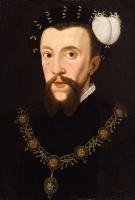


On 30th January 1590 Anne Clifford Countess Dorset and Pembroke was born to George Clifford 3rd Earl of Cumberland (age 31) and Margaret Russell Countess Cumberland (age 29) at Skipton Castle [Map]. She married (1) 27th February 1609 her fourth cousin once removed Richard Sackville 3rd Earl Dorset, son of Robert Sackville 2nd Earl Dorset and Margaret Howard, and had issue (2) 1630 her half third cousin twice removed Philip Herbert 4th Earl Pembroke 1st Earl Montgomery, son of Henry Herbert 2nd Earl Pembroke and Mary Sidney Countess Pembroke.


On 30th January 1606 Orlando Bridgeman 1st Baronet was born to Bishop John Bridgeman (age 28).


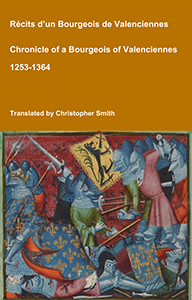
Chronicle of a Bourgeois of Valenciennes
Récits d’un bourgeois de Valenciennes aka The Chronicle of a Bourgeois of Valenciennes is a vivid 14th-century vernacular chronicle written by an anonymous urban chronicler from Valenciennes in the County of Hainaut. It survives in a manuscript that describes local and regional history from about 1253 to 1366, blending chronology, narrative episodes, and eyewitness-style accounts of political, military, and social events in medieval France, Flanders, and the Low Countries. The work begins with a chronological framework of events affecting Valenciennes and its region under rulers such as King Philip VI of France and the shifting allegiances of local nobility. It includes accounts of conflicts, sieges, diplomatic manoeuvres, and the impact of broader struggles like the Hundred Years’ War on urban life in Hainaut. Written from the perspective of a burgher (bourgeois) rather than a monastery or royal court, the chronicle offers a rare lay viewpoint on high politics and warfare, reflecting how merchants, townspeople, and civic institutions experienced the turbulence of the 13th and 14th centuries. Its narrative style combines straightforward reporting of events with moral and civic observations, making it a valuable source for readers interested in medieval urban society, regional politics, and the lived experience of war and governance in pre-modern Europe.
Available at Amazon in eBook and Paperback format.
On 30th January 1617 Archbishop William Sancroft was born in Ufford Hall, Suffolk.
On 30th January 1628 George Villiers 2nd Duke of Buckingham was born to George Villiers 1st Duke of Buckingham (age 35) and Katherine Manners Duchess Buckingham (age 25). He married 15th September 1657 his half fifth cousin Mary Fairfax Duchess Buckingham.
On 30th January 1649 Lionel Tollemache 3rd Earl Dysart was born to Lionel Tollemache 3rd Baronet (age 24) and Elizabeth Murray Duchess Lauderdale (age 22). He married 30th September 1680 Grace Wilbraham Countess Dysart, daughter of Thomas Wilbraham 3rd Baronet and Elizabeth Mytton Lady Wilbrahim, and had issue.
On 30th January 1678 James Campbell 5th Baronet was born to Duncan Campbell 4th Baronet (age 19). He married (1) 1700 Janet Macleod Lady Campbell (2) 21st December 1717 his fifth cousin Susanna Campbell Lady Campbell (3) 20th April 1736 Margaret Campbell Lady Campbell.
On 30th January 1692 William Henry Granville 3rd Earl of Bath was born to Charles Granville 2nd Earl Bath (age 30) and Isabella van Nassau (age 24). His mother died in childbirth; she and her husband had been married less than a year. He didn't marry again.

On 30th January 1727 Richard Boyle 2nd Earl Shannon was born to Henry Boyle 1st Earl Shannon (age 45) and Henrietta Boyle (age 26). He married 15th December 1763 his fourth cousin twice removed Catherine Ponsonby Countess Shannon and had issue.
On 30th January 1741 Fredericka Louise Saxe Coburg Altenburg was born to Duke Frederick III of Saxe Coburg Altenburg III (age 41) and Luise Dorothea Saxe Meiningen Duchess Saxe Gotha Altenburg (age 30).

On 30th January 1744 Thomas Lyttelton 2nd Baron Lyttelton was born to George Lyttelton 1st Baron Lyttelton (age 35) and Lucy Fortescue (age 26).
On 30th January 1745 Duke Ernest of Saxe Coburg Altenburg was born to Duke Frederick III of Saxe Coburg Altenburg III (age 45) and Luise Dorothea Saxe Meiningen Duchess Saxe Gotha Altenburg (age 34) at Gotha. He married 21st March 1769 his first cousin once removed Charlotte Saxe Meiningen Duchess Saxe Gotha Altenburg and had issue.
On 30th January 1761 Bishop George Murray was born to John Murray 3rd Duke Atholl (age 31) and Charlotte Murray Duchess Atholl (age 29). Coefficient of inbreeding 6.29%.
Henrici Quinti, Angliæ Regis, Gesta, is a first-hand account of the Agincourt Campaign, and subsequent events to his death in 1422. The author of the first part was a Chaplain in King Henry's retinue who was present from King Henry's departure at Southampton in 1415, at the siege of Harfleur, the battle of Agincourt, and the celebrations on King Henry's return to London. The second part, by another writer, relates the events that took place including the negotiations at Troye, Henry's marriage and his death in 1422.
Available at Amazon in eBook and Paperback format.
On 30th January 1796 John Ternouth was born at Andover, Hampshire [Map]. He married 13th August 1814 Sarah Abbot.
On 30th January 1801 Anton Einsle was born.

On 30th January 1805 Philip Stanhope 5th Earl Stanhope was born to Philip Henry Stanhope 4th Earl Stanhope (age 23) and Catherine Lucy Smith Countess Stanhope at Walmer, Kent. He married 1834 Emily Harriet Countess Stanhope, daughter of Edward Kerrison 1st Baronet and Mary Martha Ellice, and had issue.

On 30th January 1815 William Jenner 1st Baronet was born. He married 1858 Adela Adey and had issue.
On 30th January 1830 Thomas Fremantle 2nd Baron Cottesloe was born to Thomas Fremantle 1st Baron Cottesloe (age 31) and Louisa Elizabeth Nugent Baroness Cottesloe (age 27). He married 1859 Augusta Henrietta Scott Baroness Cottesloe, daughter of John Scott 2nd Earl Eldon and Louisa Duncombe Countess Eldon, and had issue.
On 30th January 1832 Infanta Luisa Fernanda Duchess of Montpensier was born to Ferdinand VII King Spain (age 47). She married her fifth cousin Antoine Orléans Duke Montpensier and had issue.

On 30th January 1835 Percy Scawen Wyndham was born to George Wyndham 1st Baron Leconfield (age 47) and Mary Fanny Blunt. He married before 3rd August 1862 Madeline Caroline Frances Eden Campbell, daughter of Guy Campbell 1st Baronet and Pamela Fitzgerald Lady Campbell, and had issue.
On 30th January 1836 Richard Wellesley Barlow 4th Baronet was born to Richard Wellesley Barlow (age 31).

On 30th January 1846 Katherine Wood was born to Reverend John Page-Wood 2nd Baronet (age 50) at Braintree, Essex [Map].
On 30th January 1856 Hugh Amherst 4th Earl Amherst was born to William Amherst 2nd Earl Amherst (age 50) and Gertrude Percy Countess Amherst (age 41) at Mayfair.
On 30th January 1865 Randal Mowbray Thomas Berkeley 8th Earl of Berkeley was born to George Lennox Fitzhardinge Berkeley 7th Earl of Berkeley (age 37).
Chronicle of Walter of Guisborough
A canon regular of the Augustinian Guisborough Priory, Yorkshire, formerly known as The Chronicle of Walter of Hemingburgh, describes the period from 1066 to 1346. Before 1274 the Chronicle is based on other works. Thereafter, the Chronicle is original, and a remarkable source for the events of the time. This book provides a translation of the Chronicle from that date. The Latin source for our translation is the 1849 work edited by Hans Claude Hamilton. Hamilton, in his preface, says: 'In the present work we behold perhaps one of the finest samples of our early chronicles, both as regards the value of the events recorded, and the correctness with which they are detailed; Nor will the pleasing style of composition be lightly passed over by those capable of seeing reflected from it the tokens of a vigorous and cultivated mind, and a favourable specimen of the learning and taste of the age in which it was framed.'
Available at Amazon in eBook and Paperback format.
On 30th January 1883 Victor George Conyngham 5th Marquess Conyngham was born to Henry Conyngham 4th Marquess Conyngham (age 25) and Frances Elizabeth Sarah Eveleigh-de-Moleyns Marchioness Conyngham.
On 30th January 1891 Ian Maitland 15th Earl of Lauderdale was born to Frederick Maitland 14th Earl of Lauderdale (age 22).
On 30th January 1894 Sybil Sassoon Marchioness Cholmondeley was born to Edward Albert Sassoon 2nd Baronet (age 37) and Aline Caroline de Rothschild (age 26). She married 6th August 1913 George Cholmondeley 5th Marquess Cholmondeley, son of George Cholmondeley 4th Marquess Cholmondeley and Winifred Kingscote Marchioness Cholmondeley, and had issue.


On 30th January 1894 William Humble Eric Ward 3rd Earl of Dudley was born to William Humble Ward 2nd Earl of Dudley (age 26) and Gertrude "Gertie" Millar Countess of Dudley (age 14). He married (1) 8th March 1919 Rosemary Millicent Sutherland-Leveson-Gower, daughter of Cromartie Sutherland-Leveson-Gower 4th Duke of Sutherland and Millicent Fanny St Clair-Erskine Duchess of Sutherland, and had issue (2) 23rd February 1943 Frances Laura Charteris Duchess of Marlborough.

On 30th January 1901 Francis Hastings 16th Earl Huntingdon was born to Warner Hastings 15th Earl Huntingdon (age 32) and Maud Margaret Wilson Countess Huntingdon (age 33). He married (1) 1925 Cristina Casati Stampa di Soncino Countess Huntingdon and had issue (2) 14th February 1944 Margaret Lane Countess Huntingdon.
On 30th January 1935 Christopher Radstock Proctor-Beauchamp 9th Baronet was born to Ivor Cuthbert Proctor-Beauchamp 8th Baronet (age 35).
On 30th January 1939 Colwyn Philipps 3rd Viscount St Davids was born to Jestyn Reginald Austin Plantagenet Philipps 2nd Viscount St Davids (age 21).
On 30th January 1940 John Aird 4th Baronet was born to John Renton Aird 3rd Baronet (age 41) and Priscilla Heathcote-Willoughby-Drummond Lady Aird (age 31).
On 30th January 1948 William Hastings-Bass 17th Earl of Huntingdon was born to Peter Hastings-Bass (age 27).
On 30th January 1956 Richard Norton 8th Baron Grantley was born to John Norton 7th Baron Grantley (age 33).
Abbot John Whethamstede’s Chronicle of the Abbey of St Albans
Abbot John Whethamstede's Register aka Chronicle of his second term at the Abbey of St Albans, 1451-1461, is a remarkable text that describes his first-hand experience of the beginning of the Wars of the Roses including the First and Second Battles of St Albans, 1455 and 1461, respectively, their cause, and their consequences, not least on the Abbey itself. His text also includes Loveday, Blore Heath, Northampton, the Act of Accord, Wakefield, and Towton, and ends with the Coronation of King Edward IV. In addition to the events of the Wars of the Roses, Abbot John, or his scribes who wrote the Chronicle, include details in the life of the Abbey such as charters, letters, land exchanges, visits by legates, and disputes, which provide a rich insight into the day-to-day life of the Abbey, and the challenges faced by its Abbot.
Available at Amazon in eBook and Paperback format.
On 30th January 1962 Georgina Susan Gore Duchess of Norfolk was born to John Temple Gore (age 30). She married (1) 27th June 1987 Edward Fitzalan-Howard 18th Duke of Norfolk, son of Miles Stapleton Fitzalan Howard 17th Duke of Norfolk and Anne Constable-Maxwell Duchess Norfolk.
On 30th January 1620 William Tufton 1st Baronet (age 31) and Anne Cave Lady Tufton were married at Greenwich, Kent [Map].
On 30th January 1795 Newton Wallop aka Fellowes 4th Earl of Portsmouth (age 22) and Frances Sherard (age 20) were married. He the son of John Wallop 2nd Earl Portsmouth (age 52) and Urania Fellowes (age 53).

On 30th January 1797 William Eliot 2nd Earl St Germans (age 29) and Georgiana Augusta Leveson-Gower (age 27) were married at Trentham, Staffordshire. She the daughter of Granville Leveson-Gower 1st Marquess Stafford (age 75) and Susanna Stewart Marchioness Stafford.
On 30th January 1889 James Williams-Drummond 4th Baronet (age 32) and Madeline Diana Elizabeth Agnew (age 42) were married. An example of a Siblings Marriage - her sister Marguerite Violet Maude Agnew (age 23) marrie the following year his brother Francis Williams-Drummond (age 25).
On 30th January 1893 John Scott 7th Duke Buccleuch 9th Duke Queensberry (age 28) and Margaret Alice "Molly" Bridgeman Duchess Buccleuch Duchess Queensbury (age 21) were married. She the daughter of George Cecil Orlando Bridgeman 4th Earl Bradford (age 48) and Ida Frances Annabella Lumley Countess Bradford (age 44). He the son of William Scott 6th Duke Buccleuch 8th Duke Queensberry (age 61) and Louisa Jane Hamilton Duchess Buccleuch and Queensbury (age 56). They were third cousin once removed. He a great x 5 grandson of King Charles II of England Scotland and Ireland.
On 30th January 1917 Wykeham Cornwallis 2nd Baron Cornwallis (age 24) and Cecily Etha Mary Walker (age 23) were married at St Margaret's Church, Westminster [Map]. They had two children.
On 30th January 1970 David Bernard Montgomery 2nd Viscount Montgomery (age 41) and Tessa Browning were married.
On 30th January 1164 William Longsword (age 27) died. He was buried at Notre Dame de Paris Cathedral [Map]. His death said to have been of a broken heart since he was unable to marry Isabella Warenne Countess Boulogne 4th Countess of Surrey (age 27) as a result of Archbishop Thomas Becket (age 44) refusing to grant the necessary dispensation. His death may have been the start of the rift between his elder brother King Henry II (age 30) and Becket.
On 30th January 1384 Louis of Male III Count Nevers II Count Flanders (age 53) died. His daughter Margaret (age 36) succeeded III Countess Flanders.
The History of William Marshal was commissioned by his son shortly after William’s death in 1219 to celebrate the Marshal’s remarkable life; it is an authentic, contemporary voice. The manuscript was discovered in 1861 by French historian Paul Meyer. Meyer published the manuscript in its original Anglo-French in 1891 in two books. This book is a line by line translation of the first of Meyer’s books; lines 1-10152. Book 1 of the History begins in 1139 and ends in 1194. It describes the events of the Anarchy, the role of William’s father John, John’s marriages, William’s childhood, his role as a hostage at the siege of Newbury, his injury and imprisonment in Poitou where he met Eleanor of Aquitaine and his life as a knight errant. It continues with the accusation against him of an improper relationship with Margaret, wife of Henry the Young King, his exile, and return, the death of Henry the Young King, the rebellion of Richard, the future King Richard I, war with France, the death of King Henry II, and the capture of King Richard, and the rebellion of John, the future King John. It ends with the release of King Richard and the death of John Marshal.
Available at Amazon in eBook and Paperback format.
On 30th January 1450 Henry Hussey 6th Baron Hussey (age 63) died. His son Nicholas (age 33) succeeded 7th Baron Hussey.
On 30th January 1486 Giacomo or Jacques Savoy Count Romont (age 35) died.
On 30th January 1493 Thomas Brugge 5th Baron Chandos (age 66) died. His son Giles (age 31) succeeded 6th Baron Chandos. Isabel Baynham Baroness Chandos (age 18) by marriage Baroness Chandos.
On 30th January 1495 Robert Tailboys 8th Baron Kyme (age 44) died. His son George (age 28) de jure 9th Baron Kyme.
On 30th January 1573 George Hay 7th Earl Erroll (age 65) died. His son Andrew (age 42) succeeded 8th Earl Erroll. Agnes Sinclair Countess Erroll by marriage Countess Erroll.
On 30th January 1649 Charles I (age 48) was beheaded with one clean stroke outside the Banqueting House, Whitehall Palace [Map]. He put his head on the block and, after saying a prayer, he signalled the executioner when he was ready by stretching out his hands.
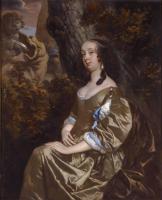
On 30th January 1695 Diana Russell Countess Bradford died.
On 30th January 1710 Robert Jenkinson 2nd Baronet (age 55) died. His son Robert (age 24) succeeded 3rd Baronet Jenkinson of Walcot in Oxfordshire and of Hawkesbury in Gloucestershire.
On 30th January 1736 Brownlow Sherard 3rd Baronet (age 67) died. His son Brownlow (age 34) succeeded 4th Baronet Sherard of Lobthorp in Lincolnshire.
On 30th January 1752 Thomas Windsor Hunloke 3rd Baronet (age 69) died. His son Henry (age 27) succeeded 4th Baronet Hunloke of Wingerworth in Derbyshire.

On 30th January 1771 Arthur Hill aka Hill-Trevor 1st Viscount Dungannon (age 77) died. His grandson Arthur (age 7) succeeded 2nd Viscount Dungannon.
Henrici Quinti, Angliæ Regis, Gesta, is a first-hand account of the Agincourt Campaign, and subsequent events to his death in 1422. The author of the first part was a Chaplain in King Henry's retinue who was present from King Henry's departure at Southampton in 1415, at the siege of Harfleur, the battle of Agincourt, and the celebrations on King Henry's return to London. The second part, by another writer, relates the events that took place including the negotiations at Troye, Henry's marriage and his death in 1422.
Available at Amazon in eBook and Paperback format.
On 30th January 1784 Henry Liddell 1st Baron Ravensworth (age 76) died without male issue. Baron Ravensworth extinct. His nephew Henry (age 34) succeeded 5th Baronet Liddell of Ravensworth Castle.
On 30th January 1805 Mary Aston Lady Blount (age 61) burned to death at her son's house.
On 30th January 1806 Charles Cocks 1st Baron Somers (age 80) died. His son John (age 45) succeeded 2nd Baron Somers.
On 30th January 1808 George Lindsay-Crawford 22nd Earl of Crawford 6th Earl of Lindsay (age 49) died unmarried. Earl Crawford, Earl Lindsay dormant.
On 30th January 1819 Richard Butler 1st Earl Glengall (age 43) died.
On 30th January 1849 James Carnegie 5th Baronet (age 50) died. His son James (age 21) de jure9th Earl Southesk, 5th Baronet Carnegie of Pittarrow in Kincardine.
On 30th January 1851 Francis Thompson 7th Baronet (age 69) died. His brother Paul (age 66) succeeded 8th Baronet Lawley of Spoonhill in Shropshire.
On 30th January 1851 Sarah Elizabeth Savile Countess Warwick (age 64) died.
On 30th January 1866 Timothy Vansittart Stonhouse 14th and 11th Baronet (age 67) died. His son Henry (age 38) succeeded 15th Baronet Stonhouse of Radley, 12th Baronet Stonhouse of Radley.

On 30th January 1880 Henry Paget 3rd Marquess Anglesey (age 58) died without issue at Albert Mansions Victoria Street. His half brother Henry (age 44) succeeded 4th Marquess Anglesey, 5th Earl Uxbridge, 13th Baron Paget Beaudasert, 7th Baronet Bayly of Plas Newydd in Anglesey.
Adam Murimuth's Continuation and Robert of Avesbury’s 'The Wonderful Deeds of King Edward III'
This volume brings together two of the most important contemporary chronicles for the reign of Edward III and the opening phases of the Hundred Years’ War. Written in Latin by English clerical observers, these texts provide a vivid and authoritative window into the political, diplomatic, and military history of fourteenth-century England and its continental ambitions. Adam Murimuth Continuatio's Chronicarum continues an earlier chronicle into the mid-fourteenth century, offering concise but valuable notices on royal policy, foreign relations, and ecclesiastical affairs. Its annalistic structure makes it especially useful for establishing chronology and tracing the development of events year by year. Complementing it, Robert of Avesbury’s De gestis mirabilibus regis Edwardi tertii is a rich documentary chronicle preserving letters, treaties, and official records alongside narrative passages. It is an indispensable source for understanding Edward III’s claim to the French crown, the conduct of war, and the mechanisms of medieval diplomacy. Together, these works offer scholars, students, and enthusiasts a reliable and unembellished account of a transformative period in English and European history. Essential for anyone interested in medieval chronicles, the Hundred Years’ War, or the reign of Edward III.
Available at Amazon in eBook and Paperback format.
On 30th January 1895 Reverend Bryan King (age 83) died at .
On 30th January 1897 George Hay-Drummond 12th Earl Kinnoull (age 69) died at The Bungalow Torquay, Devon. His son Archibald (age 41) succeeded 13th Earl Kinnoull, 6th Baron Hay of Pedwardine in Herefordshire.
On 30th January 1906 William Hozier 1st Baron Newlands (age 80) died. His son James (age 54) succeeded 2nd Baron Newlands of Newlands and Barrowfield in City of Glasgow and of Mauldslie Castle in Lanarkshire. Mary Louisa Cecil Baroness Newlands by marriage Baroness Newlands of Newlands and Barrowfield in City of Glasgow and of Mauldslie Castle in Lanarkshire.
On 30th January 1925 Antoine Alfred Agénor de Gramont 11th Duc de Gramont (age 73) died. His son Armand (age 45) succeeded 12th Duke Gramont. Élaine Greffulhe Duchess Gramont (age 42) by marriage Duchess Gramont.
On 30th January 1933 William Waldegrave 10th Earl Waldegrave (age 50) died unmarried. His uncle Henry (age 78) succeeded 11th Earl Waldegrave, 12th Baron Waldegrave Chewton Somerset, 15th Baronet Waldegrave of Hever Castle.

On 30th January 1934 Bishop Edward Stuart Talbot (age 89) died.

On 30th January 1937 Charlotte Marion Baird Countess of Enniskillen (age 85) died.
On 30th January 1951 Edward Nelson 5th Earl Nelson (age 90) died. His son Albert (age 60) succeeded 6th Earl Nelson of Trafalgar and Merson in Surrey, 6th Viscount Merton, 7th Baron Nelson of the Nile and Hillborough in Norfolk.
On 30th January 1953 Ernest Augustus Hanover Duke Brunswick (age 65) died.
On 30th January 1958 Maurice Egerton 4th Baron Egerton (age 83) died. Baron Egerton Tatton extinct.
On 30th January 1971 Reginald Williams 7th Baronet (age 70) died. His brother Francis (age 66) succeeded 8th Baronet Williams of Bodelwyddan in Flintshire.
On 30th January 1972 Beatrice Mills Countess of Granard (age 88) died.


On 30th January 1978 William Bingham Compton 6th Marquess Northampton (age 92) died. His son Spencer (age 31) succeeded 7th Marquess Northampton, 15th Earl of Northampton, 7th Earl Compton of Compton in Warwickshire, 7th Baron Wilmington of Wilmington in Sussex.
On 30th January 1994 Oswald Phipps 4th Marquess Normanby (age 81) died. His son Constantine (age 39) succeeded 5th Marquess Normanby, 6th Earl Mulgrave, 6th Viscount Normanby, 8th Baron Mulgrave of New Ross in Wexford and 6th Baron Mulgrave.
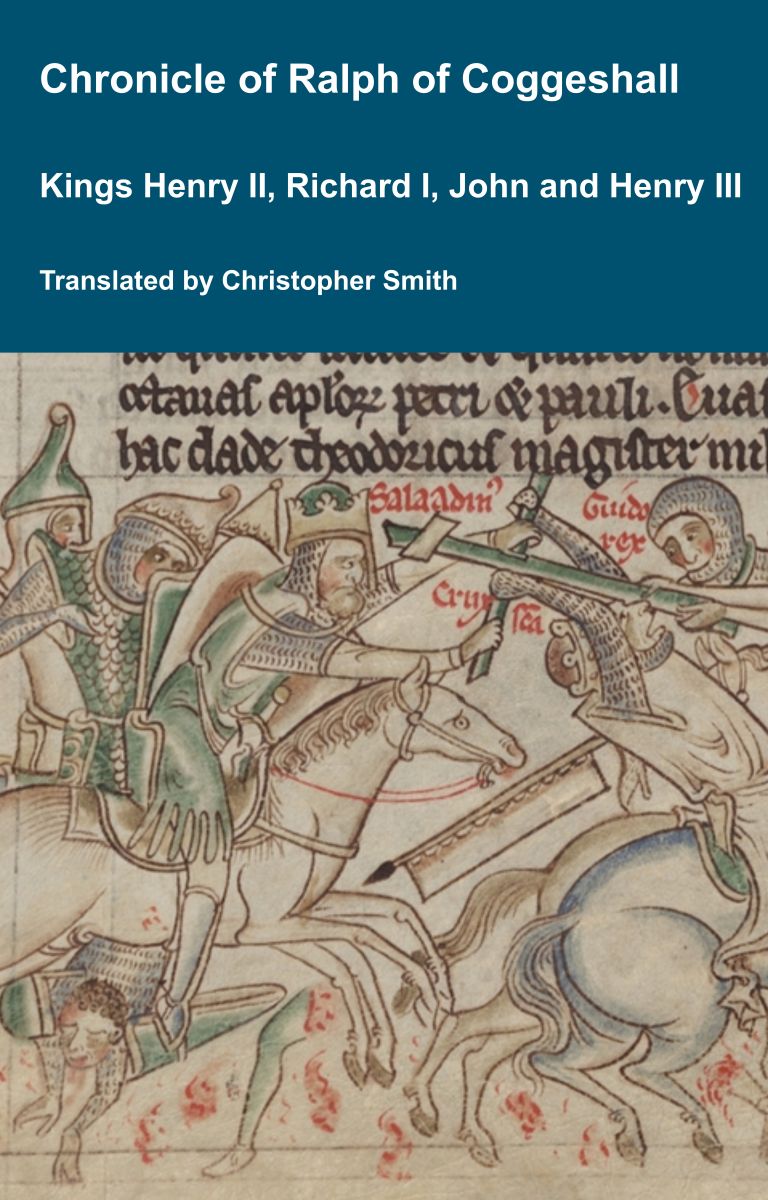
Chronicle of Abbot Ralph of Coggeshall
The Chronicle of Abbot Ralph of Coggeshall (Chronicon Anglicanum) is an indispensable medieval history that brings to life centuries of English and European affairs through the eyes of a learned Cistercian monk. Ralph of Coggeshall, abbot of the Abbey of Coggeshall in Essex in the early 13th century, continued and expanded his community’s chronicle, documenting events from the Norman Conquest of 1066 into the tumultuous reign of King Henry III. Blending eyewitness testimony, careful compilation, and the monastic commitment to record-keeping, this chronicle offers a rare narrative of political intrigue, royal power struggles, and social upheaval in England and beyond. Ralph’s work captures the reigns of pivotal figures such as Richard I and King John, providing invaluable insights into their characters, decisions, and the forces that shaped medieval rule. More than a simple annal, Chronicon Anglicanum conveys the texture of medieval life and governance, making it a rich source for scholars and readers fascinated by English history, monastic authorship, and the shaping of the medieval world.
Available at Amazon in eBook and Paperback format.
On 30th January 1997 Henry Charles Bentinck 11th Earl of Portland (age 77) died. His son Timothy (age 43) succeeded 12th Earl of Portland.
On 30th January 2005 John Addington 7th Viscount Sidmouth (age 90) died. His son Jeremy (age 57) succeeded 8th Viscount Sidmouth.
On 30th January 2017 John Scott 5th Earl of Eldon (age 79) died. His son John (age 55) succeeded 6th Earl Eldon, 6th Viscount Encoumbe of Encombe in Dorest, 6th Baron Eldon of Eldon in County Durham.
On 30th January 2021 Edward Stourton 24th Baron Stourton, 26th Baron Segrave, 25th Baron Mowbray (age 67) died. His son James (age 29) succeeded 25th Baron Stourton, 27th Baron Segrave and 26th Baron Mowbray.