


William of Worcester's Chronicle of England
William of Worcester, born around 1415, and died around 1482 was secretary to John Fastolf, the renowned soldier of the Hundred Years War, during which time he collected documents, letters, and wrote a record of events. Following their return to England in 1440 William was witness to major events. Twice in his chronicle he uses the first person: 1. when writing about the murder of Thomas, 7th Baron Scales, in 1460, he writes '… and I saw him lying naked in the cemetery near the porch of the church of St. Mary Overie in Southwark …' and 2. describing King Edward IV's entry into London in 1461 he writes '… proclaimed that all the people themselves were to recognize and acknowledge Edward as king. I was present and heard this, and immediately went down with them into the city'. William’s Chronicle is rich in detail. It is the source of much information about the Wars of the Roses, including the term 'Diabolical Marriage' to describe the marriage of Queen Elizabeth Woodville’s brother John’s marriage to Katherine, Dowager Duchess of Norfolk, he aged twenty, she sixty-five or more, and the story about a paper crown being placed in mockery on the severed head of Richard, 3rd Duke of York.
Available at Amazon in eBook and Paperback format.
04 Feb is in February.
1397 Legitimation of the Beauforts
1495 Edward IV's Daughter's Marriages
On 4th February 1194 King Richard "Lionheart" I of England (age 36) was released from his captivity; his mother Eleanor of Aquitaine Queen Consort Franks and England (age 72) having brought the ransom of 100,000 pounds of silver. On release King Philip II of France (age 28) is said to have sent a message to the future King John (age 27) "Look to yourself; the devil is loose".
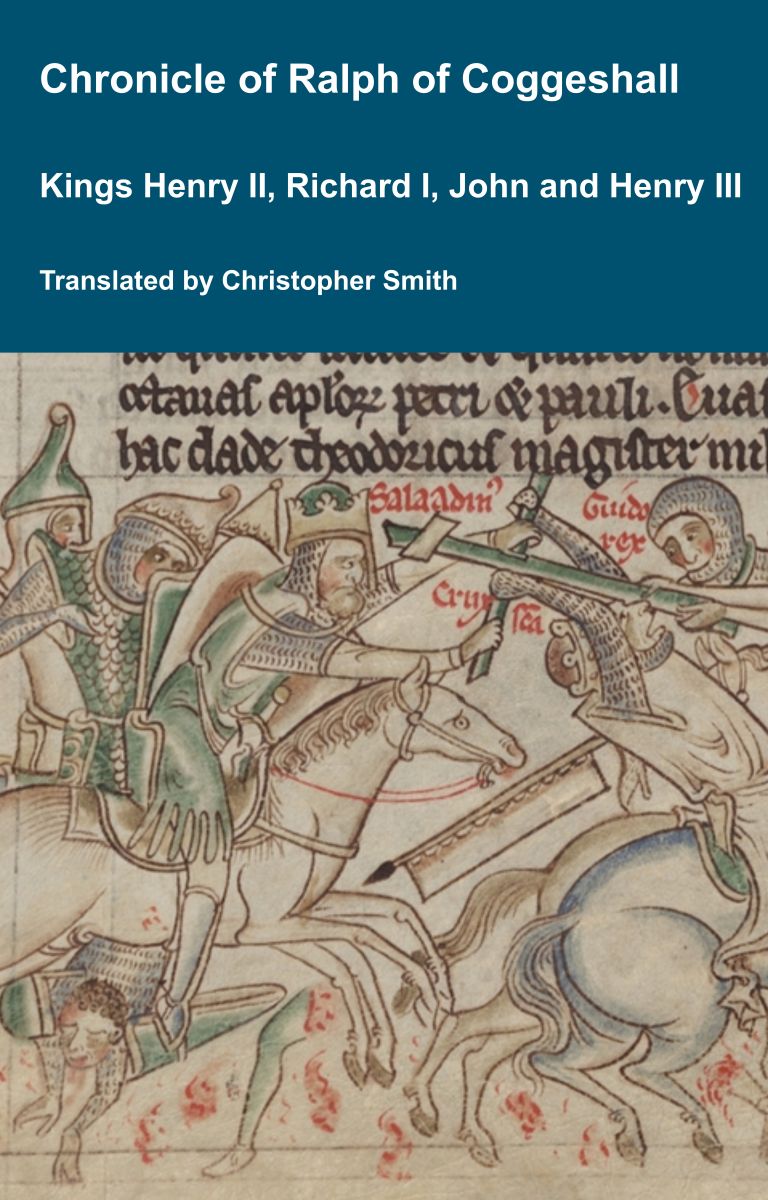 Chronicum Anglicanum by Ralph Coggeshall. In the year 1194, King Richard, having already paid the greater part of his ransom, and having given many hostages for the remainder that was still to be paid, on the feast of the Purification of the Blessed Mary [2nd February]1 was freed from all custody of the emperor, and was permitted to return to his own kingdom. Journeying with his mother and the chancellor through the land of the Duke of Louvain toward the British sea, he waited for a long time at Antwerp for a suitable time to cross. On the Sunday after the feast of Saint Gregory [11th February] he landed in England at the port of Sandwich, with great rejoicing. And at the very hour when the king arrived with his company, namely, the second hour of the day, the sun shining with great brightness, there appeared a most serene and unusual radiance, not far distant from the sun, about the height and breadth of a human body, containing within itself a shining whiteness and a reddish hue, like the likeness of a rainbow. Many who gazed upon this brightness declared that the king had come ashore in England. The king immediately set out for Canterbury, where devoutly he visited Blessed Thomas; then proceeding to London, he was received by the citizens of London with the greatest pomp of joy, the whole city being adorned in many ways and decorated with countless riches in anticipation of the king's arrival. And when news of the king's coming spread, both nobles and commoners hastened eagerly to meet the returning king, longing greatly to see him come back from captivity, whom they had feared would never return.
Anno MCXCIV. Rex Ricardus, maxima jam parte redemptionis suæ persoluta, datisque pluribus obsidibus pro reliqua parte quæ restabat persolvenda, die Purificationis beatæ Mariæ ab omni custodia imperatoris liber effectus est, et ad proprium regnum redire permissus. Qui cum matre sua et cancellario per terram ducis Luvanæ ad mare Britannicum proficiscens, apud Andeworpe aptum tempus transfretandi diutius exspectavit; qui in die Dominica post festum Sancti Gregorii in Angliam cum magno gaudio ad portum Sandwicensem applicuit. Hora autem qua rex cum suis applicuit, scilicet secunda hora diei, sole clarius rutilante, apparuit quidam serenissimus atque insolitus splendor, non longius a sole distans, quasi ad longitudinem et latitudinem humani corporis, candorem præfulgidum atque rubedinem quasi species iridis in se continens; quem splendorem plures intuentes, pronunciabant regem in Anglia fore appulsum. Rex autem illico Cantuariam profectus, beatum Thomam devotus expetiit; deinde Londoniam proficiscens, a civibus Londoniæ cum maxima lætitiæ pompa exceptus est, universa civitate contra regis adventum innumerabilium opum varietate decorata atque multiformiter adornata. Audito autem regis adventu, nobiles pariter et ignobiles adventanti regi cum magna alacritate occurrunt, cernere plurimum cupientes a captivitate regressum, quem pertimuerant nunquam reversurum.
Note 1. The letter from Walter, archbishop of Rouen to Ralph de Diceto has the 4th February: "Let your love know that after we had come to our most beloved lord, the illustrious king of the English, we wrote to no one in England, nor up to the morrow [4th February 1194] of Saint Blaise did we hear anything worth reporting and worthy to be written to you. But on that day the merciful Lord visited his people at Mainz in the liberation of our lord the king. For while we were standing by the lord king until the ninth hour, the archbishops of Mainz and Cologne, speaking before the lord emperor and the lord king and the duke of Austria concerning the king's release, after many anxieties and labours, the same archbishops, who had devoted the greatest effort to securing the king's release, came before the lady queen, and before us, and the bishops of Bath, Ely, and Saintes, and many other nobles, and approached the lord king, bringing him a brief but joyful word. It was this: that the lord emperor signified to him that, though he had long held him in his custody, yet he now released him and set him free, that henceforth he might have power over himself."
Images of Histories by Ralph Diceto. Walter, archbishop of Rouen, who for two years and the fourth part of a third had administered the affairs of the kingdom as special justiciar of England, did not walk in great matters, shaking off the influence of gifts, nor judging complaints with partial scales. When summoned by the king, he set out on a journey into Germany. The king's mother, Queen Eleanor, also made the journey, keeping the feast of the Epiphany at Cologne during her passage.
"1194. Walter, archbishop of Rouen, to Ralph [Decito], dean of London."
"Let your love know that after we had come to our most beloved lord, the illustrious king of the English, we wrote to no one in England, nor up to the morrow [4th February 1194] of Saint Blaise did we hear anything worth reporting and worthy to be written to you. But on that day the merciful Lord visited his people at Mainz in the liberation of our lord the king. For while we were standing by the lord king until the ninth hour, the archbishops of Mainz and Cologne,1 speaking before the lord emperor and the lord king and the duke of Austria concerning the king's release, after many anxieties and labors, the same archbishops, who had devoted the greatest effort to securing the king's release, came before the lady queen, and before us, and the bishops of Bath, Ely, and Saintes,2 and many other nobles, and approached the lord king, bringing him a brief but joyful word. It was this: that the lord emperor signified to him that, though he had long held him in his custody, yet he now released him and set him free, that henceforth he might have power over himself."
Free and released, restored to his own desires.
Note 1. Adolf of Altona, archbishop of Cologue, aud Conrad of Wittelsbach, archbishop of Meutz.
Note 2. Savaric bishop of Bath, William Longchamp of Ely, and Henry bishop of Salntes.
Walterus Rothomagensis archicpiscopus dum per annos duos et anni tortii quartam partem administrasset regni negotia, specialis Angliæ justiciarius, non ambulavit in magnis, a munere manus excutiens, clamores nequa lance dijudicans. Qui vocante rege transitum fecit in Alemanniam. Transitum etiam fecit et mater regis Alienor regina, sub ipso transitu suo Coloniæ celebrantes Epiphaniam.
MCXCIIII. "Walterus Rothomagensis archieioiscopus Radulfo Luiidonionsi decano."
"Noverit dilectio vestra, quod postquam ad dominum nostrum karissimum illustrem regem Anglorum accessimus nemini scripsimus in Anglia, nec aliqua usque ad crastinum Sancti Blasii audivimus quæ essent digna relatu et vobis scribere deberemus. Eo vero die misericors Dominus populum Suum apud Maguntiam in liberatione domini regis visitavit. Nobis enim domino regi eadem die usque ad horam nonam assistentibus, Maguntinus et Coloniensis archiepiscopi inter dominum imperatorem et dominum regem et ducem Austria, pro liberatione regia verba proferentibus, post multas anxietates et labores, idem archiepiscopi qui studio maximo ad liberationem regiam operam adhibucrant, coram domina regina, et nobis, et Bathonicnsi, et Elyensi, et Sanctonensi episcopis, et multis aliis magnatibiis, ad dominum regem accesserunt, ei breve yerbum et jocundum proferentes. Erat siquidcm quod dominus imperator ei siguificavit, quod cum in custodia sua diu tenucrat, sed eum liberum dimittobat et absolutum ut sui ipsius de cætero haberet potestatem,"
"Liber et explicitus ad sua vota suus."
 Become a Member via our Buy Me a Coffee page to read more.
On 4th February 1302 Godfrey Giffard Bishop of Worcester (deceased) was buried by John Monmouth Bishop of Llandaff at Worcester Cathedral [Map].
On 4th February 1337 Louis Bourbon II Duke Bourbon was born to Peter Bourbon Duke Bourbon (age 26) and Isabella Valois Duchess Bourbon (age 24). He a great x 3 grandson of King Henry III of England. Coefficient of inbreeding 2.38%. He married 19th August 1371 Anne Auvergne Duchess Bourbon and had issue.
Parliament Rolls Richard II. 4th February 1397. 28. Be it remembered that on Tuesday, the fifteenth day of the parliament [4 February 1397], the chancellor (age 53), by order of the king (age 30), declared that our holy father the pope, in reverence of the most excellent person of the king and his honourable uncle the duke of Guyenne and of Lancaster (age 56), and of his blood, has enabled and legitimized my lord John Beaufort (age 24), his brothers [Note. Cardinal Henry Beaufort (age 22) and Thomas Beaufort 1st Duke Exeter (age 20)], and his sister (age 18). And therefore our lord the king, as sole ruler of his kingdom of England, for the honour of his blood, willed and enabled of his abundant royal power, and legitimized, of his own authority, the said John, his said brothers, and sister. And he also pronounced and published the ability and legitimation, according to the form of the charter of the king made thereon.
29. Which charter was read in full parliament, and delivered to the said duke, father of the said John, and his said brothers and sister; the tenor of which charter follows:
Richard, by the grace of God, king of England and France and lord of Ireland, to our most beloved kinsmen the noble John, knight, Henry, cleric, Thomas, donzel, and our beloved noblewoman Joan Beaufort, lady-in-waiting, our most beloved cousins born of our uncle that noble man John duke of Lancaster, our lieges, greeting and the goodwill of our royal majesty. While inwardly considering how endlessly and with how many honours of parental and sincere affection of our aforementioned uncle and of his mature counsel we are on all sides blessed, we have judged it appropriate and worthy that in consideration of his merits, and in contemplation of the grace of persons, we should endow you, who are resplendent with probity and virtuous life and conduct, and are born of royal stock and divinely marked with many virtues and gifts, with the protection of grace and favour by special prerogative. Thus it is that, yielding to the prayers of our said uncle, your father, we grant to you who, so it is claimed, have suffered such defect of birth, that, notwithstanding this defect, which, together with its various consequences, we wish to be fully included in these presents, you may nevertheless receive all honours, dignities, preferments, estates, degrees, and public and private offices, both perpetual and temporal, and feudal and noble rights, by whatsoever name they are called, such as duchies, lordships, earldoms, baronies, or whatsoever other fiefs they be, whether they be dependent upon or held of us mediately or intermediately, which may be preferred, promoted, elected, taken up and allowed, and received, retained, performed and exercised prudently, freely and lawfully, as if you were born in wedlock, notwithstanding any statutes or customs of our kingdom of England decreed or observed to the contrary; and we dispense you [from this defect] by the tenor of these presents, by the plenitude of our royal power and with the assent of our parliament; and we restore you and each of you to legitimacy.


Become a Member via our Buy Me a Coffee page to read more.
The Reign of Henry VII Part 1B. [Legitimation of the Beauforts by Richard II in 1397, "Rotuli Parliamentorum," iii. 343. This document is generally called an "Act of Parliament"; but it was not enrolled on the Statute Roll, and many things were done as late as Richard II's reign in Parliament that were not Acts of Parliament.]
[4th February 1397]. It is to be remembered that on Tuesday, the fifteenth day of Parliament, the Chancellor, by the command of the King, declared how our Holy Father the Pope, in reverence of the most excellent person of the King and his honorable uncle, the Duke of Guyenne and Lancaster, and of his bloodline, has legitimized and made lawful my Lord John of Beaufort, his brothers, and his sister. And for this reason, our Lord the King, as the full Emperor of his realm of England, for the honor of his blood, wills, and by his full royal power has legitimized and made legitimate, by his own authority, the said John, his said brothers, and sister. And he also pronounced and made public their legitimation, according to the form of the King's charter made for that purpose. The same charter was read in full Parliament, and given to the said Duke, father of the said John and his said brothers and sister, the tenor of which charter follows:
Richard, by the grace of God, King of England and France and Lord of Ireland, to our dearest cousins, the noble men John, knight, Henry, clerk, Thomas, esquire, and our beloved noble lady, Joan Beaufort, gentlewoman, children of our dearest uncle, the noble man John, Duke of Lancaster, our lieges, greeting and goodwill from our royal majesty. When we consider internally how continually and in what great honor we are graced on all sides by the parental and sincere love of our aforesaid uncle, and by his wise counsel, we deem it appropriate and fitting, in view of his merits and in consideration of your persons, who shine with great talent, honesty of life, and moral integrity, and are descended from the royal line and endowed with many virtues and divine gifts, that we should enrich you with the special prerogative of favour and grace.
Therefore, inclined by the prayers of our said uncle, your father, we, considering the fact that you are said to suffer from the defect of birth, so that this defect, and whatever qualities it may imply, which we deem sufficiently expressed here, notwithstanding any such defect, do not prevent you from being appointed, promoted, elected, assumed, and admitted to any honors, dignities, pre-eminences, ranks, statuses, and public or private offices, whether perpetual or temporary, and feudal or noble, by whatever names they may be called, even if they are duchies, principalities, counties, baronies, or other fiefs, even if they depend mediately or immediately upon us or are held of us. You may freely and lawfully receive, hold, exercise, and retain these as if you were born of legitimate wedlock, notwithstanding any statutes or customs of our realm of England to the contrary, which we here deem fully expressed and nullified. From the plenitude of our royal power and with the assent of our Parliament, we hereby dispense with them. And we restore and legitimize you and each of you to your birthrights.
Fait a remembrer, que le Maresdy, le quinzisme jour de Parlement, le Chaunceller, du coniandement de Roy, declara, coment nostre seint pere le Pape, al reverence de la tres excellent persone du Roy et de son honorable uncle le Due de Guyen & de Lancastre, & de son sank, ad habliez & legitimez Mon Seigneur Johan de Beaufort, ses freres et sa soer1. Et pur ceo nostre Seigneur le Roy, come entier Emperour de son Roialme d'Engleterre, pur honour de son sank, voet, & ad de sa plenir Roial poiar habilie, & fait muliere, de sa propre auctorite, le dit Johan, ses ditz freres et soer. Et aussi pronuncia & puplist l'abilite & legitimation, solone la fourme de la chartre du Roy ent faite. Laquele chartre feust lue en pleine Parlement, & baillez a le dit due, pere a dit Johan, & ses ditz freres & soer, le tenour de quele chartre s'enfui:
Ricardus, Dei gratia, rex Angliae & Franciae & dominus Hiberniae, carissimis consanguineis nostris nobilibus viris Johanni, militi, Henrico, clerico, Thome, domicello, ac dilecte nobis nobili mulieri, Johanne Beauford, domicelle, germanis præcarissimi avunculi nostri nobilis viri Johannis Ducis Lancastriae natis, ligeis nostris, salutem & benevolentiam nostre Regie Magestatis. Dum interna consideracione pensamus, quot incessanter & quantis honoribus, parentili & sincera dileccione præfati avunculi nostri & sui maturitate consilii, undique decoramur, congruum arbitramur & dignum, ut meritorurn suorum intuitu, ac grac'2 conteniplatione personarum, vos, qui magne probitatis ingenio, vite ac morum honestate fulgetis & ex regali estis prosapia propagati, pluribusque virtutibus munereque insigniti divino, specialis prerogative munimine favoris & gratie fecundemus3.
Hinc est, quod dicti avunculi nostri, genitoris vestri, precibus inclinati, vobiscum qui, ut asseritur, defectum natalium patimini, ut hujusmodi defectu, quern ejusque qualitates quascumque presentibus4 volumus pro sufficienter expressis, non obstante, quod5 quecumque honores, dignitates, pre-eminentias, status, gradus, & officia publica & privata, tam perpetua quam temporal ia, atque feudalia & nobilia, quibuscumque nominibus nuncupentur, etiamsi ducatus, principatus, comitatus, baronie, vel alia feuda fuerint, etiamsi mediate vel immediate a nobis dependeant seu teneantur, prefici, promoveri, eligi, assumi, & admitti, illaque recipere, retinere, gerere, & excercere, provide6, libere & licite7, ac si de legitimo tboro nati existeretis, quibuscumque statutis seu consuetudinibus regni nostri Anglie in contrarium editis, seu observatis, que bic habemus pro totaliter expressis, nequaquam obstantibus, de plenitudine nostre regalis potestatis, & de assensu Parliamenti nostri, tenore presentium dispensamus. Vosque & vestrum quemlibet natalibus restituimus & legitimamus.
Note 1. The marriage of John of Gaunt and Catherine Swynford would in any case — according to Canon Law — have legitimated the children born before it.
Note 2. Vestrarum ac, as in No. 5.
Note 3.? secundemus.
Note 4. Supply haberi.
Note 5. ad.
Note 6. Perinde.
Note 7. Supply valeatis. This passage illustrates the corruption of the printed text of the "Rotuli Parliamentorum"; parentili on the first line should probably be perutili.
Become a Member via our Buy Me a Coffee page to read more.
On 4th February 1400 Bernard Brocas (age 46) was tried, and condemned to death, by Thomas Fitzalan 10th Earl of Surrey 5th or 12th Earl of Arundel (age 18) at Tower of London [Map] for his role in the Epiphany Rising having been captured in Cirencester, Gloucestershire [Map].
On 5th February 1400 Bernard Brocas was beheaded at Tyburn [Map]. He was buried at Greyfriars Church Farringdon Within [Map].
On 4th February 1436 Philip Valois was born to Charles "Victorious" VII King France (age 32) and Marie Valois Anjou Queen Consort France (age 31). Coefficient of inbreeding 3.89%. He died aged less than one years old.
Chronicle of Gregory [1400-1467]. 4th February 1437. Ande the ix day of Feverer Quene Kateryn (deceased) aforesaid was broughte to Powlys [Map] yn London, and there sche hadde a solempne deryge ande a masse on the morne. And thenne she was hadde unto Westemyster. And the iij day aftyr she was worth ely enteryde and buryde in Oure Lady chapylle at Westemyster in the Abby; of whos soule God have mercy.

On 4th February 1495, possibly 1494, Thomas Howard 3rd Duke of Norfolk (age 22) and Anne York (age 19) were married at Westminster Abbey [Map]. She the daughter of King Edward IV of England and Elizabeth Woodville Queen Consort England. He the son of Thomas Howard 2nd Duke of Norfolk (age 52) and Elizabeth Tilney Countess of Surrey (age 51). They were fifth cousins.
On 4th February 1505 Joan Valois Queen Consort France (age 40) died.
On 4th February 1520 William Carey (age 20) and Mary Boleyn (age 21) were married. Around the time, possibly shortly after, Mary Boleyn became mistress to King Henry VIII of England and Ireland (age 28) leading to speculation one or both of her children were fathered by Henry1. She the daughter of Thomas Boleyn 1st Earl Wiltshire and Ormonde (age 43) and Elizabeth Howard Countess of Wiltshire and Ormonde (age 40). They were fifth cousins. He a great x 4 grandson of King Edward III of England.
The evidence for Mary being Henry's mistress:
Henry VIII's 1527 dispensation to marry Anne appears to seek dispensation to marry:
1. someone who was previously contracted to marry another, which might refer to either, or both, Henry Percy (age 18) or James Butler, and
2. "or of the first degree of affinity, from any lawful or unlawful union" which can only be a reference to a sister of Queen Anne Boleyn of England (age 19) i.e. Mary Boleyn.
Letters and Papers Foreign and Domestic. 20 Oct 1537. George Throckmorton letter relating to events around 1531 where Henry responds to an accusation that he had relationships with both Anne Boleyn's mother and sister "Never with the mother". Cromwell goes on the say never with the sister either.
Defense of the Unity of the Church Book III, 1536, letter from Cardinal Reginald Pole to King Henry VIII accusing him of double standards by attempting to annul his marriage with Queen Katherine on the basis of her having previously been married, albeit unconsummated, to Henry's brother Arthur, as a means to allow Henry to marry Anne Boleyn, with who sister Henry had had a carnal relationship.
1536 Letter from Ambassador Chapuys to the Emperor in which Chapuys writes "Others tell me that the said Archbishop had pronounced the marriage of the King and Concubine [Anne] invalid on account of the King having had connection with her sister [Mary]."
Note 1. The date given by an entry in the King's Payments for 1520. The date appears to have been inserted so may not appear in the original text?


Become a Member via our Buy Me a Coffee page to read more.
Henrici Quinti, Angliæ Regis, Gesta, is a first-hand account of the Agincourt Campaign, and subsequent events to his death in 1422. The author of the first part was a Chaplain in King Henry's retinue who was present from King Henry's departure at Southampton in 1415, at the siege of Harfleur, the battle of Agincourt, and the celebrations on King Henry's return to London. The second part, by another writer, relates the events that took place including the negotiations at Troye, Henry's marriage and his death in 1422.
Available at Amazon in eBook and Paperback format.
Letters and Papers Foreign and Domestic Henry VIII 1520. February 1520. At Greenwich.
To Alen Kent, for providing wine at Rome, 100l.
Diets of Sir Richard Wingfield, going to France, for 84 days from 31 Jan., 20s. a day; and espial money for his last time as deputy of Calais, 40l.
The King's offering on Saturday (4th Feb1.), at the marriage of Mr. Care and Mary Bullayn, 6s. 8d.
To Sir Hen. Guilford (age 31), for repairing the castle of Leeds, 160l.
To Wm. Haywode, for spears, &c., at the jousts, 34l. 15s.
To Sir Ric. Wingfield, for preparations for his embassy to France, 100l.
To Ric. Sydnor, for the Princess's expenses, 200l. Reward to De la Bastie, ambassador from France, 200l.
To the bailly of Cane, 66l. 13s. 4d.
To a gentleman sent from the French king and queen with tokens to the Princess, 40l.
To John de la Suche, 40l.
To Stephen de Tronhen, for anchors and other things, 26l. 4s. 6d.
To Cavalcant, Ant. Vyvolde and Wm. Buttry, for velvets and silks, 223l. 3s. 1d.
Total for Feb. 2,496l. 17s. 8d.
Note 1. The date appears to have been inserted so may not appear in the original text?


Become a Member via our Buy Me a Coffee page to read more.
Letters and Papers Foreign and Domestic Henry VIII 1533. 4th February 1533. Cleopatra, E. IV. 28*. B. M. Ellis, 3 Ser. II. 245. 115. Ric. Lyst, lay brother among the Friars at Greenwich, to Anne Boleyn (age 32).
I wrote to you of a certain chance happened among us here, since which I have sent word thereof to the King and your father privily by Dr. Goodryche. I marvel that the matter is so slenderly looked upon as yet. I heard, more than a year ago, that the King was minded to move us from Greenwich to Christchurch in London, and make this place a college. I think it may be done without any offence against God or great note of the people, considering how some of our company have used themselves against God, the King, and you. If there had been a place of our religion in London, many inconveniences would have been avoided. It would be a meritorious deed if you could help to bring it to pass. I was in some trouble by reason of the piteous chance happened amongst us, and my trouble increases so, that I can scarcely take my natural rest two nights a week. If it continues I fear disease will ensue. I beseech you to pray for me, for I do daily for you. By God's grace and prayer I trust to have remedy, for I have some learning and intelligence. I have often spoken and answered in the King's cause and yours, for which I have suffered rebuke and trouble, but it has been rather comfort than otherwise, and so it should be to every true lover in the cause of his friend. I have often been called in derision your chaplain, but I have not yet taken priest's orders, though I intend to do so, and trust, within two years and less, to say 100 masses for your prosperous state, spiritual and corporal. I am now at liberty to be a priest, for a young woman to whom I was made sure by way of marriage before I came to religion, is departed to the mercy of God. I am 40s. in debt for clothes and other things necessary for my mother, but I am half ashamed and more to beg any more of you, because you have been so good to her in times past. Nevertheless, if it shall please you to remember her, the alms can be delivered either to Dr. Goodryche, one of the King's chaplains, or to Master Cole, sub-dean of the Chapel Royal. 4 Feb.
Hol., p. 1. Add.: "[To the mo]st onerabyll lady [marquesse] of Penbroke." Endd.


Become a Member via our Buy Me a Coffee page to read more.
Henry Machyn's Diary. 4th February 1555. The iiij day (of) Feybruary the bysshope of London (age 55) went into Nugatt [Map], and odur docturs, to dysgratt [degrade] Hoper (age 60), and Rogers (age 50) sumtyme vycker of sant Polkers.
Note. P. 82. Burning of bishop Hooper. The letter from the queen to lord Chandos directing him to repair to Gloucester and assist at the execution of bishop Hooper, has been published in Miss Wood's Letters of Royal and Illustrious Ladies, iii. 284.

Foxe's Book of Martyrs. 4th February 1555. Now when the time came, that he [John Rogers (age 50)], being delivered to the sheriffs, should be brought out of Newgate [Map] to Smithfield [Map], the place of his execution, first came to him Master Woodroofe, one of the aforesaid sheriffs, and calling Master Rogers unto him, asked him if he would revoke his abominable doctrine, and his evil opinion of the sacrament of the altar. Master Rogers answered and said, "That which I have preached I will seal with my blood." "Then," quoth Master Woodroofe, "thou art a heretic." "That shall be known," quoth Rogers, "at the day of judgment." "Well," quoth Master Woodroofe, "I will never pray for thee." "But I will pray for you," quoth Master Rogers: and so was brought the same day, which was Monday the fourth of February, by the sheriffs towards Smithfield, saying the psalm Miserere by the way, all the people wonderfully rejoicing at his constancy, with great praises and thanks to God for the same. And there, in the presence of Master Rochester, comptroller of the queen's household, Sir Richard Southwell (age 52), both the sheriffs, and a wonderful number of people, the fire was put unto him; and when it had taken hold both upon his legs and shoulders, he, as one feeling no smart, washed his hands in the flame, as though it had been in cold water. And, after lifting up his hands unto heaven, not removing the same until such time as the devouring fire had consumed them - most mildly this happy martyr yielded up his spirit into the hands of his heavenly Father. A little before his burning at the stake, his pardon was brought, if he would have recanted, but he utterly refused. He was the first protomartyr of all the blessed company that suffered in Queen Mary's time, that gave the first adventure upon the fire. His wife and children, being eleven in number, and ten able to go, and one sucking on her breast, met him by the way as he went towards Smithfield. This sorrowful sight of his own flesh and blood could nothing move him; but that he constantly and cheerfully took his death, with wonderful patience, in the defence and quarrel of Christ's gospel.
Foxe's Book of Martyrs. 4th February 1555. The fourth of February suffered the constant martyr of God, Master John Rogers (age 50), concerning whose life, examinations, and suffering, here followeth in order set forth. And first touching his life and bringing up.
John Rogers, brought up in the university of Cambridge, where he profitably travailed in good learning, at length was chosen and called by the merchant adventurers to be their chaplain at Antwerp in Brabant, whom he served to their good contentation many years. It chanced him there to fall in company with that worthy servant and martyr of God William Tyndale, and with Miles Coverdale (age 67), who both, for the hatred they bare to popish superstition and idolatry, and love to true religion, had forsaken their native country. In conferring with them the Scriptures, he came to great knowledge in the gospel of God, insomuch that he cast off the heavy yoke of popery, perceiving it to be impure and filthy idolatry, and joined himself with them two in that painful and most profitable labour of translating the Bible into the English tongue, which is entitled, The Translation of Thomas Matthewe. He, knowing by the Scriptures, that unlawful vows may lawfully be broken, and that matrimony is both honest and honourable among all men, joined himself in lawful matrimony, and so went to Wittenberg in Saxony, where he, with much soberness of living, did not only greatly increase in all good and godly learning, but also so much profited in the knowledge of the Dutch tongue, that the charge of a congregation was orderly committed to his cure.
In which ministry he diligently and faithfully served many years, until such time as it pleased God, by the faithful travail of his chosen and dear servant, King Edward the Sixth, utterly to banish all popery forth of England, and to receive in true religion, setting God's gospel at liberty. He then, being orderly called, having both a conscience, and a ready good will to help forward the work of the Lord in his native country, left such honest and certain conditions as he had in Saxony, and came into England to preach the gospel, without certainty of any condition. In which office, after he had a space diligently and faithfully travailed, Nicholas Ridley, then bishop of London, gave him a prebend in the cathedral church of Paul; and the dean and the chapter chose him to be the reader of the divinity-lesson there; wherein he diligently travailed, until such time, as Queen Mary, obtaining the crown, banished the gospel and true religion, and brought in the antichrist of Rome, with his idolatry and superstition
After the queen was come to the Tower of London, he, being orderly called thereunto, made a godly and vehement sermon at Paul's Cross, confirming such true doctrine as he and others had there taught in King Edward's days, exhorting the people constantly to remain in the same, and to beware of all pestilent popery, idolatry, and superstition. The council, being then overmatched with popish and bloody bishops, called him to account for his sermon: to whom he made a stout, witty, and godly answer; and yet in such sort handled himself, that at that time he was clearly dismissed. But after that proclamation was set forth by the queen to prohibit true preaching, he was called again before the council; for the bishops thirsted after his blood. The council quarrelled with him concerning his doctrine, and in conclusion commanded him as prisoner to keep his own house; and so he did; although by flying, he might easily have escaped their cruel hands, and many things there were which might have moved him thereunto. He did see the recovery of religion in England, for that present, desperate; he knew he could not want a living in Germany; and he could not forget his wife and ten children, and to seek means to succour them. But all these things set apart, after he was called to answer in Christ's cause, he would not depart, but stoutly stood in defence of the same, and for the trial of that truth, was content to hazard his life.
Thus he remained in his own house as prisoner a long time, till at length, through the uncharitable procurement of Bonner (age 55), bishop of London, who could not abide such honest neighbours to dwell by him, he was removed from his own house to the prison called Newgate, where he was lodged among thieves and murderers for a great space; during which time, what business he had with the adversaries of Christ, all is not known, neither yet any certainty of his examinations, further than he himself did leave in writing; which God would not to be lost, but to remain for a perpetual testimony in the cause of God's truth, as here followeth recorded and testified by his own writing.
Description of the examination by Lord Chancellor Bishop Stephen Gardiner (age 72).
Become a Member via our Buy Me a Coffee page to read more.

Foxe's Book of Martyrs. 4th February 1555. The fourth day of February, the year above mentioned, in the chapel in Newgate [Map], the bishop of London (age 55) there sitting with his notary and certain other witnesses, came Alexander Andrew, the gaoler, bringing with him Master Hooper (age 60) and Master Rogers (age 50), being condemned before by the chancellor (age 72); where the said bishop of London, at the request of the aforesaid Winchester, proceeded to the degradation of the parties above mentioned, Master Hooper and Master Rogers, after this form and manner: first, he put upon him all the vestures and ornaments belonging to a priest, with all other things to the same order appertaining, as though (being revested) they should solemnly execute their office. Thus they, being apparelled and invested, the bishop beginneth to pluck off, first the uttermost vesture; and so, by degree and order, coming down to the lowest vesture, which they had only in taking Benet and Collet; and so, being stript and deposed, he deprived them of all order, benefit, and privilege belonging to the clergy; and consequently, that being done, pronounced, decreed, and declared the said parties so degraded, to be given personally to the secular power, as the sheriffs being for that year, Master Davy Woodroofe, and Master William Chester; who, receiving first the said Master Rogers at the hands of the bishop, had him away with them, bringing him to the place of execution where he suffered. The witnesses there present were Master Harpsfield, archdeacon of London; Robert Cosin, and Robert Willerton, canons of Paul's; Thomas Mountague, and George How, clerks; Tristram Swadock, and Richard Cloney, the sumner, &c.

Diary of Anne Clifford. 4th February 1617. Upon the 4th should have been the Child's fit but she miss'd it. Achin came presently after dinner with a letter to Tom the groom, to meet my Lord (age 27) at Hampton Court with his hunting horses. At night Thomas Woodgate came from London and brought a squirrel to the Child, and my Lord wrote me a letter by which I perceived my Lord was clean out with me and how much my enemies have wrought against me.
On 4th February 1661 Charles Villiers 2nd Earl Anglesey died of smallpox without legitimate issue. Earl Anglesey, Baron Villiers of Daventry extinct.
Samuel Pepys' Diary. 4th February 1661. Home, and then with my wife to see Sir W. Batten (age 60), who could not be with us this day being ill, but we found him at cards, and here we sat late, talking with my Lady and others and Dr. Whistler1, who I found good company and a very ingenious man. So home and to bed.
Note 1. Daniel Whistler, M.D., Fellow of Merton College, whose inaugural dissertation on rickets in 1645 contains the earliest printed account of that disease. He was Gresham Professor of Geometry, 1648-57, and held several offices at the College of Physicians, being elected President in 1683. He was one of the original Fellows of the Royal Society. Dr. Munk, in his "Roll of the Royal College of Physicians", speaks very unfavourably of Whistler, and says that he defrauded the college. He died May 11th, 1684.
Samuel Pepys' Diary. 4th February 1667. Soon as dined, my wife and I out to the Duke's playhouse, and there saw "Heraclius", an excellent play, to my extraordinary content; and the more from the house being very full, and great company; among others, Mrs. Steward (age 19), very fine, with her locks done up with puffes, as my wife calls them: and several other great ladies had their hair so, though I do not like it; but my wife do mightily-but it is only because she sees it is the fashion. Here I saw my Lord Rochester (age 19) and his lady, Mrs. Mallet (age 16), who hath after all this ado married him; and, as I hear some say in the pit, it is a great act of charity, for he hath no estate. But it was pleasant to see how every body rose up when my Lord John Butler (age 24), the Duke of Ormond's (age 56) son, come into the pit towards the end of the play, who was a servant [lover] to Mrs. Mallet, and now smiled upon her, and she on him. I had sitting next to me a woman, the likest my Baroness Castlemayne (age 26) that ever I saw anybody like another; but she is a whore, I believe, for she is acquainted with every fine fellow, and called them by their name, Jacke, and Tom, and before the end of the play frisked to another place. Mightily pleased with the play, we home by coach, and there a little to the office, and then to my chamber, and there finished my Catalogue of my books with my own hand, and so to supper and to bed, and had a good night's rest, the last night's being troublesome, but now my heart light and full of resolution of standing close to my business.
John Evelyn's Diary. 4th February 1668. I saw the tragedy of "Horace" (written by the VIRTUOUS Mrs. Philips) acted before their Majesties [King Charles II of England Scotland and Ireland (age 37) and Henrietta Maria Bourbon Queen Consort Catherine of Braganza Queen Consort England 1638-1705]. Between each act a masque and antique dance. The excessive gallantry of the ladies was infinite, those especially on that ... Castlemaine (age 27), esteemed at £40,000 and more, far outshining the Queen (age 29).


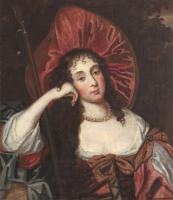


Samuel Pepys' Diary. 4th February 1668. After dinner I abroad by coach to Kate Joyce's, where the jury did sit where they did before, about her husband's death, and their verdict put off for fourteen days longer, at the suit of somebody, under pretence of the King (age 37); but it is only to get money out of her to compound the matter. But the truth is, something they will make out of Stillingfleete's (age 32) sermon, which may trouble us, he declaring, like a fool, in his pulpit, that he did confess that his losses in the world did make him do what he did. This do vex me to see how foolish our Protestant Divines are, while the Papists do make it the duty of Confessor to be secret, or else nobody would confess their sins to them. All being put off for to-day, I took my leave of Kate, who is mightily troubled at it for her estate sake, not for her husband; for her sorrow for that, I perceive, is all over. I home, and, there to my office busy till the evening, and then home, and there my wife and Deb. and I and Betty Turner (age 15), I employed in the putting new titles to my books, which we proceeded on till midnight, and then being weary and late to bed.


John Evelyn's Diary. 4th February 1685. I can never forget the inexpressible luxury and prophanenesse, gaming and all dissoluteness, and as it were total forgetfullnesse of God (it being Sunday evening) which this day se'nnight I was witnesse of, the King (age 54) sitting and toying with his concubines, Portsmouth (age 35), Cleaveland (age 44), and Mazarine (age 38), &c a French boy singing love songs, in that glorious gallery, whilst about 20 of the greate courtiers and other dissolute persons were at Basset round a large table, a bank of at least 2000 in gold before them, upon which two gentlemen who were with me made reflexions with astonishment. Six days after was all in the dust! It was enjoyn'd that those who put on mourning should wear it as for a father, in ye most solemn manner.
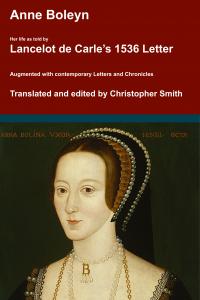
Anne Boleyn. Her Life as told by Lancelot de Carle's 1536 Letter.
In 1536, two weeks after the execution of Anne Boleyn, her brother George and four others, Lancelot du Carle, wrote an extraordinary letter that described Anne's life, and her trial and execution, to which he was a witness. This book presents a new translation of that letter, with additional material from other contemporary sources such as Letters, Hall's and Wriothesley's Chronicles, the pamphlets of Wynkyn the Worde, the Memorial of George Constantyne, the Portuguese Letter and the Baga de Secrets, all of which are provided in Appendices.
Available at Amazon in eBook and Paperback format.
John Evelyn's Diary. 4th February 1693. After five days' trial and extraordinary contest, the Lord Mohun (age 18) was acquitted by the Lords of the murder of Montford, the player, notwithstanding the judges, from the pregnant witnesses of the fact, had declared him guilty; but whether in commiseration of his youth, being not eighteen years old, though exceedingly dissolute, or upon whatever other reason, the King (age 42) himself present some part of the trial, and satisfied, as they report, that he was culpable. 69 acquitted him, only 14 condemned him.


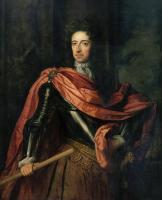
John Evelyn's Diary. 4th February 1693. Unheard of stories of the universal increase of witches in New England; men, women, and children, devoting themselves to the devil, so as to threaten the subversion of the government. At the same time there was a conspiracy among the negroes in Barbadoes to murder all their masters, discovered by overhearing a discourse of two of the slaves, and so preventing the execution of the design. Hitherto an exceedingly mild winter. France in the utmost misery and poverty for want of corn and subsistence, while the ambitious King is intent to pursue his conquests on the rest of his neighbours both by sea and land. Our Admiral, Russell (age 40), laid aside for not pursuing the advantage he had obtained over the French in the past summer; three others chosen in his place. Dr. Burnet (age 49), Bishop of Salisbury's book burned by the hangman for an expression of the King's title by conquest, on a complaint of Joseph How, a member of Parliament, little better than a madman.

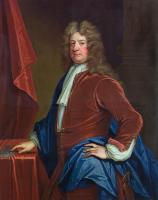


On 4th February 1698 Thomas Strode of Parnham (age 70) died. Monument in Church of St Mary, Beaminster [Map]. William and Mary. Marble with standing figure in wig, gown, side pilasters support cornice. Possibly by John Nost.
To God, the Best and Greatest. Here lie the mortal remains of THOMAS STRODE, Serjeant-at-Law, who peacefully fell asleep in Christ on February 4th, 1698, in the 70th year of his age. A man consecrated to immortal memory, renowned for jurisprudence, piety, and wisdom; of integrity no less than gentleness of character; always faithful to God, to his sovereign, and to his friends. He was the son of Sir John Strode, Knight, of Parnham in the county of Dorset. He chose for himself a most beloved wife, Mary Adams, widow of Parkinson Odber, Esquire, by whom he had one daughter, still surviving. She, most sorrowfully and with tears, set up this monument of final devotion.
D.O.M.P.Q. Mortalitatis Exuvias hic deposuit THOMAS STRODE Serviens ad Legem; Qui in Christo placidè obdormivit Feb: 4o. 1698. Ætat.: suae 70. Vir Immortali Memoriæ sacratus; Jurisprudentiâ, pietate, & Consilio, Insignis; Moribus Integris Juxta ac Suavissimis: Deo, Principi & amicis semper fidus: Patre JOHANE STRODE Equite Aurato de Parnham in Comitatu Dorset oriundus; Charissmam sibi adscîvit Conjugem MARIAM ADAMS relic: de PARKINSON ODBER Armigero; Ex quâ filiam suscepit unicam adhue superstitem. Quæ hoc supræmu: pietatis Monument:, Mœsstissima & cum lacrymis gemens, L.M.D.P.Q. To God the Greatest and Best and to Posterity
Thomas Strode of Parnham: In 1628 he was born to John Strode of Parnham and Anne Wyndham. On 1st July 1642 he matriculated Oxford University. On 1st February 1665 Thomas Strode of Parnham and Mary Adams were married. In 1677 he was appointed Serjeant at Law.


On 4th February 1702 Francis Godolphin 2nd Earl Godolphin (age 23) was elected MP Helston.


Minutes of the Society of Antiquaries. 4th February 1719. Mr Director (age 41) was ordered to deliver out prints of Richard II to be sold after the rate of 2s:6d a peice [sic], allowing to the sellers 6d a peice [sic], and one over in a dozen. The Prints of the Font of St James after the rate of 1s:6d a peice allowing to the seller 4d a piece. The prints of Ulphus's Horn at 1s allowing Seller 3d a peice [sic].
On 4th February 1725 Charles Seymour 6th Duke of Somerset (age 62) and Charlotte Finch Duchess Somerset (age 32) were married. She by marriage Duchess Somerset. The difference in their ages was 30 years. She the daughter of Daniel Finch 2nd Earl Nottingham 7th Earl Winchilsea (age 77) and Anne Hatton Countess Nottingham and Winchelsea.
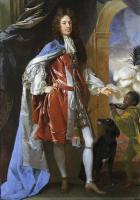

On 14th October 1736 Charles Le Gros of Croftwight (age 85) died. On 4th February 1758 Elizabeth Turner (age 63) died. They were buried at All Saints Church, Narborough [Map].
Charles Le Gros of Croftwight: Around 1651 he was born. Before 14th October 1736 he and Elizabeth Turner were married. The difference in their ages was 22 years.
Elizabeth Turner: Around 1673 she was born to William Turner of North Elmham.


On 29th January 1740 Richard Lumley 2nd Earl Scarborough (age 53) committed suicide by shooting himself through the roof of the mouth possibly as a result of his having told the Dowager Duchess of Manchester (age 34), who he had intended to marry the following day, a state secret which she then shared with her grandmother Sarah Jennings Duchess of Marlborough (age 79) who shared it with William Pulteney 1st Earl Bath (age 55) who shared it with everyone else. His brother Thomas (age 49) succeeded 3rd Earl of Scarborough, 4th Viscount Lumley, 3rd Baron Lumley. Frances Hamilton Countess Scarborough by marriage Countess of Scarborough. He left his estates to his youngest brother James Lumley (age 34).
On 4th February 1740 Richard Lumley 2nd Earl Scarborough was buried at the Grosvenor Chapel, Mayfair.


On 1st February 1743 John Dutton 2nd Baronet (age 59) died. Baronet Dutton of Sherborne in Gloucestershire extinct.
He was buried at the Saint Mary Magdalene's Church, Sherborne [Map] at midnight on 4th February 1743. Monument to sculpted by John Michael Rysbrack (age 48). Full figure of man leaning on an Urn.


On 4th February 1743 Anne Bayne died in childbirth.
Jean de Waurin's Chronicle of England Volume 6 Books 3-6: The Wars of the Roses
Jean de Waurin was a French Chronicler, from the Artois region, who was born around 1400, and died around 1474. Waurin’s Chronicle of England, Volume 6, covering the period 1450 to 1471, from which we have selected and translated Chapters relating to the Wars of the Roses, provides a vivid, original, contemporary description of key events some of which he witnessed first-hand, some of which he was told by the key people involved with whom Waurin had a personal relationship.
Available at Amazon in eBook and Paperback format.

On 4th February 1750 Maria Johanna Gabriela of Austria was born to Francis I Holy Roman Emperor (age 41) and Maria Theresa Habsburg Spain Holy Roman Empress (age 32).
On 4th February 1752 Louis Bourbon Duke Orléans (age 48) died. His son Louis (age 26) succeeded I Duke Orléans. Louise Henriette Bourbon Duchess Orléans by marriage Duchess Orléans.

qivGn7hK4th February 1755. St Germans Priory [Map]. Grave of Surgeon to Richard Boger.
On 4th February 1787 Pompeo Batoni (age 79) died.
On 4th February 1816 Robert Hobart 4th Earl Buckinghamshire (age 55) died from a fall from a horse. His nephew George (age 26) succeeded 5th Earl Buckinghamshire, 5th Baron Hobart, 9th Baronet Hobart of Intwood in Norfolk. Monument at All Saints' Church, Nocton [Map] sculpted by John "The Younger" Bacon (age 39).
George Hobart-Hampden 5th Earl of Buckinghamshire: On 1st May 1789 he was born to George Vere Hobart. On 1st February 1849 George Hobart-Hampden 5th Earl of Buckinghamshire died. His brother Augustus succeeded 6th Earl Buckinghamshire, 6th Baron Hobart, 10th Baronet Hobart of Intwood in Norfolk.


On 4th February 1819 George Henry Harlow (age 31) died.
On 4th February 1823 John Watkins was born.
On 4th February 1825 Myles Birket Foster was born.
On 4th February 1831 Isabella Somerset Anne Frances (age 22) died in childbirth.
On 4th February 1858 Thomas Campbell (age 68) died in 1 Great Castle Street, Westminster.
Chronicle of Abbot Ralph of Coggeshall
The Chronicle of Abbot Ralph of Coggeshall (Chronicon Anglicanum) is an indispensable medieval history that brings to life centuries of English and European affairs through the eyes of a learned Cistercian monk. Ralph of Coggeshall, abbot of the Abbey of Coggeshall in Essex in the early 13th century, continued and expanded his community’s chronicle, documenting events from the Norman Conquest of 1066 into the tumultuous reign of King Henry III. Blending eyewitness testimony, careful compilation, and the monastic commitment to record-keeping, this chronicle offers a rare narrative of political intrigue, royal power struggles, and social upheaval in England and beyond. Ralph’s work captures the reigns of pivotal figures such as Richard I and King John, providing invaluable insights into their characters, decisions, and the forces that shaped medieval rule. More than a simple annal, Chronicon Anglicanum conveys the texture of medieval life and governance, making it a rich source for scholars and readers fascinated by English history, monastic authorship, and the shaping of the medieval world.
Available at Amazon in eBook and Paperback format.
On 4th February 1868 Cecil Reginald John Manners was born to John Manners (age 49) and Janetta Hughan Duchess Rutland (age 31).


On 4th February 1886 Susan Carolina Somerset Marchioness Cholmondeley (age 81) died. Monument in St Oswald's Church, Malpas [Map].
Susan Carolina Somerset Marchioness Cholmondeley: On 10th May 1804 she was born to Henry Charles Somerset 6th Duke Beaufort and Charlotte Sophia Leveson-Gower Duchess Beaufort. On 11th May 1830 George Cholmondeley 2nd Marquess Cholmondeley and she were married. She by marriage Marchioness Cholmondeley. She the daughter of Henry Charles Somerset 6th Duke Beaufort and Charlotte Sophia Leveson-Gower Duchess Beaufort. He the son of George Cholmondeley 1st Marquess Cholmondeley and Georgina Charlotte Bertie Marchioness Cholmondeley. They were fifth cousin once removed.
The Times. 4th February 1905.
We have to announce the death of Florence, Marchioness of Hastings (age 64), wife of Sir George Chetwynd, Bart., which took place on Sunday morning at Long Walk House, Windsor, after a few days' illness. The funeral will take place at Grendon, Atherstone, on Thursday next, at 2 o'clock.


On 4th February 1922 Ralph Wormeley Curtis (age 67) died.


On 4th February 1922 Maurice Fitzgerald 6th Duke Leinster (age 34) died having spent most of his life being cared for in a psychiatric institution at Edinburgh. His brother Edward (age 29) succeeded 7th Duke Leinster.
On 4th February 1941 John Lambton (age 20) shot himself.
Sydney Morning Herald, 5th February 1941: "Viscount Lambton, who was found shot on the lawn of his family's home in Northumberland on Tuesday, was found by the coroner to have committed suicide while temporarily unbalanced. It was stated in evidence that he had been an abnormal child and had tried to turn night into day, sleeping in the daytime and working at night.
On 4th February 1974 a bomb planted by Judith Ward of the Provisional Irish Republican Army hidden inside the luggage locker of a coach carrying off-duty British Armed Forces personnel and their family members exploded killing twelve people (nine soldiers and three civilians) and injuring thirty-eight others aboard the vehicle.
On 4th February 2002 Sigvard Bernadotte (age 94) died in an accident.
On 4th February 1337 Louis Bourbon II Duke Bourbon was born to Peter Bourbon Duke Bourbon (age 26) and Isabella Valois Duchess Bourbon (age 24). He a great x 3 grandson of King Henry III of England. Coefficient of inbreeding 2.38%. He married 19th August 1371 Anne Auvergne Duchess Bourbon and had issue.
On 4th February 1436 Philip Valois was born to Charles "Victorious" VII King France (age 32) and Marie Valois Anjou Queen Consort France (age 31). Coefficient of inbreeding 3.89%. He died aged less than one years old.
On 4th February 1645 Juliana Noel Baroness Alington was born to Baptist Noel 3rd Viscount Campden (age 34) and Hester Wotton Viscountess Campden (age 30). She married 30th July 1664 William Alington 1st and 3rd Baron Alington, son of William Alington 1st Baron Alington and Elizabeth Tollemache Baroness Alington.
The History of William Marshal was commissioned by his son shortly after William’s death in 1219 to celebrate the Marshal’s remarkable life; it is an authentic, contemporary voice. The manuscript was discovered in 1861 by French historian Paul Meyer. Meyer published the manuscript in its original Anglo-French in 1891 in two books. This book is a line by line translation of the first of Meyer’s books; lines 1-10152. Book 1 of the History begins in 1139 and ends in 1194. It describes the events of the Anarchy, the role of William’s father John, John’s marriages, William’s childhood, his role as a hostage at the siege of Newbury, his injury and imprisonment in Poitou where he met Eleanor of Aquitaine and his life as a knight errant. It continues with the accusation against him of an improper relationship with Margaret, wife of Henry the Young King, his exile, and return, the death of Henry the Young King, the rebellion of Richard, the future King Richard I, war with France, the death of King Henry II, and the capture of King Richard, and the rebellion of John, the future King John. It ends with the release of King Richard and the death of John Marshal.
Available at Amazon in eBook and Paperback format.
On 4th February 1648 Mary Sackville Countess Orrery was born to Richard Sackville 5th Earl Dorset (age 25) and Frances Cranfield Countess Dorset (age 26). She married 1665 her third cousin Roger Boyle 2nd Earl Orrery, son of Roger Boyle 1st Earl Orrery and Margaret Howard Countess Orrery, and had issue.


On 4th February 1663 Edward Lee 1st Earl Lichfield was born to Francis Lee 4th Baronet (age 24) and Elizabeth Pope Countess Lindsey. He married 6th February 1677 his third cousin Charlotte Fitzroy Countess Lichfield, daughter of King Charles II of England Scotland and Ireland and Barbara Villiers 1st Duchess of Cleveland, and had issue.

On 4th February 1673 Montagu Venables Bertie 2nd Earl of Abingdon was born to James Bertie 1st Earl of Abingdon (age 19) and Eleanor Lee Countess Abingdon.
On 4th February 1705 Harriet Benson Baroness Bingley was born to Robert Benson 1st Baron Bingley (age 29) and Elizabeth Finch Baroness Bingley (age 26). She married 12th July 1731 George Fox Lane 1st Baron Bingley and had issue.
On 4th February 1750 Maria Johanna Gabriela of Austria was born to Francis I Holy Roman Emperor (age 41) and Maria Theresa Habsburg Spain Holy Roman Empress (age 32).
On 4th February 1757 George Thicknesse 19th Baron Audley 16th Baron Tuchet was born to Captain Philip Thicknesse (age 38) and Elizabeth Tuchet. He married (1) 21st May 1781 Elizabeth Delaval Baroness Audley, daughter of John Delaval 1st Baron Delaval and Susanna Robinson Baroness Delaval, and had issue (2) 2nd May 1792 Augusta Henrietta Catherina Boisdaune Baroness Audley.

On 4th February 1760 Charles Gould aka Morgan 2nd Baronet was born to Charles Gould aka Morgan 1st Baronet (age 33) and Jane Morgan (age 29). He married 1791 Mary Margaret or Magdalen Stoney and had issue.
On 4th February 1772 Henry Fletcher 2nd Baronet was born to Henry Fletcher 1st Baronet (age 45) and Catherine Lintot. He married 1801 Frances Sophia Vaughan Lady Fletcher and had issue.
On 4th February 1772 George Berney Brograve 2nd Baronet was born to Berney Brograve 1st Baronet (age 45). He married 1798 Emma Louisa Whitwell Lady Brograve.
On 4th February 1773 George Montagu 6th Earl Sandwich was born to John Montagu 5th Earl Sandwich (age 29) and Maria Henrietta Powlett. He married 9th July 1804 Louisa Lowry-Corry Countess of Sandwich, daughter of Armar Lowry-Corry 1st Earl Belmore and Harriet Hobart Viscountess Belmore, and had issue.

On 4th February 1786 Sarah Elizabeth Savile Countess Warwick was born to John Savile 2nd Earl Mexborough (age 24) and Elizabeth Stephenson Countess Mexborough (age 24). She married (1) before 3rd February 1809 John George Monson 4th Baron Monson, son of John Monson 3rd Baron Monson and Elizabeth Capell, and had issue (2) 1816 Henry Greville 3rd Earl Warwick 3rd Earl Brooke Warwick Castle, son of George Greville 2nd Earl Warwick and Brooke and Henrietta Vernon Countess Warwick and Brooke, and had issue.
On 4th February 1796 Margaret Gardiner was born to Luke Gardiner 1st Viscount Mountjoy (age 50) and Margaret Wallis (age 26). She married 15th June 1822 John Hely-Hutchinson 3rd Earl of Donoughmore and had issue.


On 4th February 1808 George Augustus Francis Rawdon-Hastings 2nd Marquess Hastings was born to Francis Rawdon-Hastings 1st Marquess Hastings (age 53) and Flora Mure-Campbell Marchioness of Hastings (age 28). He married 1st August 1831 Barbara Yelverton Marchioness Hastings, daughter of Henry Gould Yelverton 19th Baron Grey Ruthyn, and had issue.


Jean de Waurin's Chronicle of England Volume 6 Books 3-6: The Wars of the Roses
Jean de Waurin was a French Chronicler, from the Artois region, who was born around 1400, and died around 1474. Waurin’s Chronicle of England, Volume 6, covering the period 1450 to 1471, from which we have selected and translated Chapters relating to the Wars of the Roses, provides a vivid, original, contemporary description of key events some of which he witnessed first-hand, some of which he was told by the key people involved with whom Waurin had a personal relationship.
Available at Amazon in eBook and Paperback format.
On 4th February 1809 Charles Bunbury 8th Baronet was born to Henry Edward Bunbury 7th Baronet (age 30) and Louisa Amelia Fox at Messina, Sicily [Map].
On 4th February 1817 John Leigh Hoskyns 9th Baronet was born to Hungerford Hoskyns 7th Baronet (age 40).
On 4th February 1823 John Watkins was born.
On 4th February 1825 Myles Birket Foster was born.
On 4th February 1828 Charlotte Georgiana Cholmondeley was born to William Cholmondeley 3rd Marquess Cholmondeley (age 27) and Marcia Emma Georgiana Arbuthnot Marchioness Cholmondeley (age 24).
On 4th February 1853 Alice Elizabeth Cole was born to William Willoughby Cole 3rd Earl Enniskillen (age 46) and Jane Casamaijor Countess Enniskillen. She married 30th June 1891 Anthony Evelyn Melbourne Ashley-Cooper, son of Anthony Ashley-Cooper 7th Earl Shaftesbury and Emily Caroline Catherine Frances Cowper Countess Shaftesbury.


On 4th February 1868 Cecil Reginald John Manners was born to John Manners (age 49) and Janetta Hughan Duchess Rutland (age 31).
On 4th February 1886 Margaret Strutt was born to Henry Strutt 2nd Baron Belper (age 45) and Margaret Coke Baroness Belper (age 33).
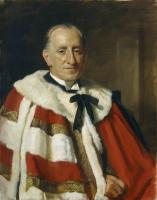
On 4th February 1889 Ivor Windsor-Clive 2nd Earl Plymouth was born to Robert George Windsor-Clive 1st Earl Plymouth (age 31) and Alberta Victoria Sarah Caroline Paget Countess Plymouth (age 26). He married 14th July 1921 Irene Corona Charteris Countess Plymouth, daughter of Hugo Charteris 11th Earl of Wemyss and Mary Constance Wyndham Countess Wemyss, and had issue.
On 4th February 1894 Henry Eric Bagot 7th Baron Bagot was born to Charles Frederick Heneage Bagot (age 36) and Florence Eleanor Bagot. Coefficient of inbreeding 6.25%.
William of Worcester's Chronicle of England
William of Worcester, born around 1415, and died around 1482 was secretary to John Fastolf, the renowned soldier of the Hundred Years War, during which time he collected documents, letters, and wrote a record of events. Following their return to England in 1440 William was witness to major events. Twice in his chronicle he uses the first person: 1. when writing about the murder of Thomas, 7th Baron Scales, in 1460, he writes '… and I saw him lying naked in the cemetery near the porch of the church of St. Mary Overie in Southwark …' and 2. describing King Edward IV's entry into London in 1461 he writes '… proclaimed that all the people themselves were to recognize and acknowledge Edward as king. I was present and heard this, and immediately went down with them into the city'. William’s Chronicle is rich in detail. It is the source of much information about the Wars of the Roses, including the term 'Diabolical Marriage' to describe the marriage of Queen Elizabeth Woodville’s brother John’s marriage to Katherine, Dowager Duchess of Norfolk, he aged twenty, she sixty-five or more, and the story about a paper crown being placed in mockery on the severed head of Richard, 3rd Duke of York.
Available at Amazon in eBook and Paperback format.
On 4th February 1944 Granville Charles Gomer Gordon 13th Marquess Huntly was born to Douglas Charles Lindsey Gordon 12th Marquess Huntly (age 36).
On 4th February 1956 Edwyn Wren Hoskyns 17th Baronet was born to Benedict Leigh Hoskyns 16th Baronet (age 27).
On 4th February 1960 Thomas Weyland Bowyer-Smyth 15th Baronet was born to Philip Weyland Bowyer-Smyth 14th Baronet (age 66).
On 4th February 1495, possibly 1494, Thomas Howard 3rd Duke of Norfolk (age 22) and Anne York (age 19) were married at Westminster Abbey [Map]. She the daughter of King Edward IV of England and Elizabeth Woodville Queen Consort England. He the son of Thomas Howard 2nd Duke of Norfolk (age 52) and Elizabeth Tilney Countess of Surrey (age 51). They were fifth cousins.
On 4th February 1520 William Carey (age 20) and Mary Boleyn (age 21) were married. Around the time, possibly shortly after, Mary Boleyn became mistress to King Henry VIII of England and Ireland (age 28) leading to speculation one or both of her children were fathered by Henry1. She the daughter of Thomas Boleyn 1st Earl Wiltshire and Ormonde (age 43) and Elizabeth Howard Countess of Wiltshire and Ormonde (age 40). They were fifth cousins. He a great x 4 grandson of King Edward III of England.
The evidence for Mary being Henry's mistress:
Henry VIII's 1527 dispensation to marry Anne appears to seek dispensation to marry:
1. someone who was previously contracted to marry another, which might refer to either, or both, Henry Percy (age 18) or James Butler, and
2. "or of the first degree of affinity, from any lawful or unlawful union" which can only be a reference to a sister of Queen Anne Boleyn of England (age 19) i.e. Mary Boleyn.
Letters and Papers Foreign and Domestic. 20 Oct 1537. George Throckmorton letter relating to events around 1531 where Henry responds to an accusation that he had relationships with both Anne Boleyn's mother and sister "Never with the mother". Cromwell goes on the say never with the sister either.
Defense of the Unity of the Church Book III, 1536, letter from Cardinal Reginald Pole to King Henry VIII accusing him of double standards by attempting to annul his marriage with Queen Katherine on the basis of her having previously been married, albeit unconsummated, to Henry's brother Arthur, as a means to allow Henry to marry Anne Boleyn, with who sister Henry had had a carnal relationship.
1536 Letter from Ambassador Chapuys to the Emperor in which Chapuys writes "Others tell me that the said Archbishop had pronounced the marriage of the King and Concubine [Anne] invalid on account of the King having had connection with her sister [Mary]."
Note 1. The date given by an entry in the King's Payments for 1520. The date appears to have been inserted so may not appear in the original text?
Become a Member via our Buy Me a Coffee page to read more.

On 4th February 1638 Henry Ker and Margaret Hay Countess Cassilis were married. She the daughter of William Hay 10th Earl Erroll and Anne Lyon Countess Erroll. He the son of Robert Ker 1st Earl Roxburghe (age 68) and Jean Drummond Countess Roxburghe (age 53). They were half fifth cousins.
On 4th February 1702 Oswald Mosley 1st Baronet (age 27) and Elizabeth Thornhaugh Lady Mosley (age 30) were married at Worksop Priory [Map].
On 4th February 1725 Charles Seymour 6th Duke of Somerset (age 62) and Charlotte Finch Duchess Somerset (age 32) were married. She by marriage Duchess Somerset. The difference in their ages was 30 years. She the daughter of Daniel Finch 2nd Earl Nottingham 7th Earl Winchilsea (age 77) and Anne Hatton Countess Nottingham and Winchelsea.
On 4th February 1768 Francis Ingram Seymour-Conway 2nd Marquess Hertford (age 24) and Alice Elizabeth Windsor (age 18) were married. He the son of Francis Seymour-Conway 1st Marquess Hertford (age 49) and Isabella Fitzroy Countess Hertford (age 41). They were fifth cousin once removed. He a great x 2 grandson of King Charles II of England Scotland and Ireland.
On 4th February 1807 Daniel Fleming 5th Baronet (age 22) and Ann Frederica Elizabeth Fleming Lady Fleming (age 23) were married. She by marriage Lady Fleming of Rydal in Cumbria. They were third cousins.
On 4th February 1817 Watkin Williams-Wynn 5th Baronet (age 44) and Henrietta Antonia Clive Lady Williams-Wynn were married. She by marriage Lady Williams of Gray's Inn. She the daughter of Edward Clive 1st Earl Powis (age 62) and Henrietta Antonia Herbert 3rd Countess Powis (age 58).
On 4th February 1847 Tonman Mosley 3rd Baronet (age 33) and Catherine Wood (age 13) were married. The difference in their ages was 20 years.
On 4th February 1869 Arthur Rice 6th Baron Dynevor (age 33) and Selina Lascelles (age 28) were married. They were third cousins.
On 4th February 1880 Charles Rawdon-Hastings 11th Earl Loudon (age 25) and Alice Elizabeth Fitzalan Howard Countess Loudon were married. He the son of Charles Frederick Abney-Hastings 1st Baron Donington (age 57) and Edith Maud Rawdon-Hastings 10th Countess Loudon.
Abbot John Whethamstede’s Chronicle of the Abbey of St Albans
Abbot John Whethamstede's Register aka Chronicle of his second term at the Abbey of St Albans, 1451-1461, is a remarkable text that describes his first-hand experience of the beginning of the Wars of the Roses including the First and Second Battles of St Albans, 1455 and 1461, respectively, their cause, and their consequences, not least on the Abbey itself. His text also includes Loveday, Blore Heath, Northampton, the Act of Accord, Wakefield, and Towton, and ends with the Coronation of King Edward IV. In addition to the events of the Wars of the Roses, Abbot John, or his scribes who wrote the Chronicle, include details in the life of the Abbey such as charters, letters, land exchanges, visits by legates, and disputes, which provide a rich insight into the day-to-day life of the Abbey, and the challenges faced by its Abbot.
Available at Amazon in eBook and Paperback format.

On 4th February 1950 David Mountbatten 3rd Marquess Milford Haven (age 30) and Romaine Pierce Marchioness Milford Haven (age 26) were married. She by marriage Marchioness Milford Haven. He the son of George Mountbatten 2nd Marquess Milford Haven and Nadejda Mikhailovna Torby Marchioness Milford Haven (age 53).
On 4th February 1222 William Gerulfing I Count Holland (age 55) died. His son Floris (age 11) succeeded IV Count Holland.
On 4th February 1400 Bernard Brocas (age 46) was tried, and condemned to death, by Thomas Fitzalan 10th Earl of Surrey 5th or 12th Earl of Arundel (age 18) at Tower of London [Map] for his role in the Epiphany Rising having been captured in Cirencester, Gloucestershire [Map].
On 5th February 1400 Bernard Brocas was beheaded at Tyburn [Map]. He was buried at Greyfriars Church Farringdon Within [Map].
On 4th February 1505 Joan Valois Queen Consort France (age 40) died.
On 4th February 1523 Bishop Thomas Ruthall (age 51) died. He was buried in the Chapel of St John the Baptist, Westminster Abbey [Map].

On 4th February 1629 William Paulet 4th Marquess Winchester (age 70) died. His son John (age 31) succeeded 5th Marquess Winchester, 5th Earl Wiltshire, 5th Baron St John. Jane Savage Marchioness Winchester by marriage Marchioness Winchester.
On 4th February 1661 Charles Villiers 2nd Earl Anglesey died of smallpox without legitimate issue. Earl Anglesey, Baron Villiers of Daventry extinct.
On 4th February 1683 Anne Montagu Baroness North (age 71) died.
On 4th February 1690 Mary Campbell Countess Caithness, Breadalbaine and Holland (age 56) died.
On 4th February 1696 Philip Wharton 4th Baron Wharton (age 82) died. His son Thomas (age 47) succeeded 5th Baron Wharton. Lucy Loftus Marchioness Wharton (age 26) by marriage Baroness Wharton.


On 4th February 1698 Thomas Strode of Parnham (age 70) died. Monument in Church of St Mary, Beaminster [Map]. William and Mary. Marble with standing figure in wig, gown, side pilasters support cornice. Possibly by John Nost.
To God, the Best and Greatest. Here lie the mortal remains of THOMAS STRODE, Serjeant-at-Law, who peacefully fell asleep in Christ on February 4th, 1698, in the 70th year of his age. A man consecrated to immortal memory, renowned for jurisprudence, piety, and wisdom; of integrity no less than gentleness of character; always faithful to God, to his sovereign, and to his friends. He was the son of Sir John Strode, Knight, of Parnham in the county of Dorset. He chose for himself a most beloved wife, Mary Adams, widow of Parkinson Odber, Esquire, by whom he had one daughter, still surviving. She, most sorrowfully and with tears, set up this monument of final devotion.
D.O.M.P.Q. Mortalitatis Exuvias hic deposuit THOMAS STRODE Serviens ad Legem; Qui in Christo placidè obdormivit Feb: 4o. 1698. Ætat.: suae 70. Vir Immortali Memoriæ sacratus; Jurisprudentiâ, pietate, & Consilio, Insignis; Moribus Integris Juxta ac Suavissimis: Deo, Principi & amicis semper fidus: Patre JOHANE STRODE Equite Aurato de Parnham in Comitatu Dorset oriundus; Charissmam sibi adscîvit Conjugem MARIAM ADAMS relic: de PARKINSON ODBER Armigero; Ex quâ filiam suscepit unicam adhue superstitem. Quæ hoc supræmu: pietatis Monument:, Mœsstissima & cum lacrymis gemens, L.M.D.P.Q. To God the Greatest and Best and to Posterity
Thomas Strode of Parnham: In 1628 he was born to John Strode of Parnham and Anne Wyndham. On 1st July 1642 he matriculated Oxford University. On 1st February 1665 Thomas Strode of Parnham and Mary Adams were married. In 1677 he was appointed Serjeant at Law.
Abbot John Whethamstede’s Chronicle of the Abbey of St Albans
Abbot John Whethamstede's Register aka Chronicle of his second term at the Abbey of St Albans, 1451-1461, is a remarkable text that describes his first-hand experience of the beginning of the Wars of the Roses including the First and Second Battles of St Albans, 1455 and 1461, respectively, their cause, and their consequences, not least on the Abbey itself. His text also includes Loveday, Blore Heath, Northampton, the Act of Accord, Wakefield, and Towton, and ends with the Coronation of King Edward IV. In addition to the events of the Wars of the Roses, Abbot John, or his scribes who wrote the Chronicle, include details in the life of the Abbey such as charters, letters, land exchanges, visits by legates, and disputes, which provide a rich insight into the day-to-day life of the Abbey, and the challenges faced by its Abbot.
Available at Amazon in eBook and Paperback format.
On 4th February 1730 Catherine Stringer Countess Westmoreland (age 50) died.
On 4th February 1737 Harbottle Luckyn 4th Baronet (age 54) died. His brother William (age 52) succeeded 5th Baronet Grimston of Little Waltham in Essex.
On 29th January 1740 Richard Lumley 2nd Earl Scarborough (age 53) committed suicide by shooting himself through the roof of the mouth possibly as a result of his having told the Dowager Duchess of Manchester (age 34), who he had intended to marry the following day, a state secret which she then shared with her grandmother Sarah Jennings Duchess of Marlborough (age 79) who shared it with William Pulteney 1st Earl Bath (age 55) who shared it with everyone else. His brother Thomas (age 49) succeeded 3rd Earl of Scarborough, 4th Viscount Lumley, 3rd Baron Lumley. Frances Hamilton Countess Scarborough by marriage Countess of Scarborough. He left his estates to his youngest brother James Lumley (age 34).
On 4th February 1740 Richard Lumley 2nd Earl Scarborough was buried at the Grosvenor Chapel, Mayfair.
On 1st February 1743 John Dutton 2nd Baronet (age 59) died. Baronet Dutton of Sherborne in Gloucestershire extinct.
He was buried at the Saint Mary Magdalene's Church, Sherborne [Map] at midnight on 4th February 1743. Monument to sculpted by John Michael Rysbrack (age 48). Full figure of man leaning on an Urn.
On 4th February 1752 Louis Bourbon Duke Orléans (age 48) died. His son Louis (age 26) succeeded I Duke Orléans. Louise Henriette Bourbon Duchess Orléans by marriage Duchess Orléans.
On 4th February 1752 John Cotton 3rd Baronet (age 63) died. His son John (age 35) succeeded 4th Baronet Cotton of Landwade in Cambridgeshire. Anne Parsons Lady Cotton (age 27) by marriage Lady Cotton of Landwade in Cambridgeshire.

On 4th February 1782 Hugh Boscawen 2nd Viscount Falmouth (age 77) died. His nephew George (age 23) succeeded 3rd Viscount Falmouth.

On 4th February 1783 Susanna Hoare Countess Ailesbury (age 50) died.
On 4th February 1787 Pompeo Batoni (age 79) died.
On 4th February 1794 Charles Trevor Roper 18th Baron Dacre Gilsland (age 49) died. His sister Gertrude (age 43) succeeded 19th Baroness Dacre Gilsland, 18th Baroness Multon of Gilsland. Thomas Brand Baron Dacre (age 44) by marriage Baron Dacre Gilsland albeit for seventeen days only since he died on 21st February 1794.
On 4th February 1795 George Edgecumbe 1st Earl of Mount Edgcumbe (age 74) died. His son Richard (age 30) succeeded 2nd Earl of Mount Edgcumbe, 3rd Baron Edgcumbe. Sophia Hobart Countess Mount Edgcumbe (age 27) by marriage Countess of Mount Edgcumbe.
On 4th February 1810 Harbord Morden aka Harbord 1st Baron Suffield (age 76) died. His son William (age 43) succeeded 2nd Baron Suffield, 3rd Baronet Harbord of Suffield in Norfolk. Caroline Hobart Baroness Suffield by marriage Baroness Suffield.
Chronicle of Walter of Guisborough
A canon regular of the Augustinian Guisborough Priory, Yorkshire, formerly known as The Chronicle of Walter of Hemingburgh, describes the period from 1066 to 1346. Before 1274 the Chronicle is based on other works. Thereafter, the Chronicle is original, and a remarkable source for the events of the time. This book provides a translation of the Chronicle from that date. The Latin source for our translation is the 1849 work edited by Hans Claude Hamilton. Hamilton, in his preface, says: 'In the present work we behold perhaps one of the finest samples of our early chronicles, both as regards the value of the events recorded, and the correctness with which they are detailed; Nor will the pleasing style of composition be lightly passed over by those capable of seeing reflected from it the tokens of a vigorous and cultivated mind, and a favourable specimen of the learning and taste of the age in which it was framed.'
Available at Amazon in eBook and Paperback format.
On 4th February 1815 John Sheffield 2nd Baronet (age 72) died. His brother Robert (age 57) succeeded 3rd Baronet Sheffield; he died three weeks later.

On 4th February 1816 Richard Fitzwilliam 7th Viscount Fitzwilliam (age 70) died unmarried. He was buried at St Mary Magdalene Church, Richmond [Map]. His brother John (age 63) succeeded 8th Viscount Fitzwilliam of Mount Merrion House in Dublin.
On 4th February 1816 Robert Hobart 4th Earl Buckinghamshire (age 55) died from a fall from a horse. His nephew George (age 26) succeeded 5th Earl Buckinghamshire, 5th Baron Hobart, 9th Baronet Hobart of Intwood in Norfolk. Monument at All Saints' Church, Nocton [Map] sculpted by John "The Younger" Bacon (age 39).
George Hobart-Hampden 5th Earl of Buckinghamshire: On 1st May 1789 he was born to George Vere Hobart. On 1st February 1849 George Hobart-Hampden 5th Earl of Buckinghamshire died. His brother Augustus succeeded 6th Earl Buckinghamshire, 6th Baron Hobart, 10th Baronet Hobart of Intwood in Norfolk.
On 4th February 1819 George Henry Harlow (age 31) died.
On 4th February 1824 John Simeon 1st Baronet (age 68) died. His son Richard (age 39) succeeded 2nd Baronet Simeon of Grazeley in Berkshire.
On 4th February 1826 Diana Turnor Lady Whichcote (age 63) died. She was buried at St Denys' Church, Aswarby.
On 4th February 1830 Trevor Wheler 8th Baronet (age 66) died at Woodseat, Rocester. He was buried at Rocester, Staffordshire [Map]. His son Trevor (age 37) succeeded 9th Baronet Wheler of the City of Westminster. Lucy Dandridge Lady Wheler by marriage Lady Wheler of the City of Westminster.
On 4th February 1833 Charles Leslie Pepys 2nd Baronet (age 58) died unmarried. His brother Henry (age 49) succeeded 3rd Baronet Pepys of Brook Street.
On 4th February 1846 Charlotte Mary Long Lady Pocock (age 61) died.
On 4th February 1856 William Hare 2nd Earl Listowel (age 54) died. His son William (age 22) succeeded 3rd Earl Listowel in County Kerry.
On 4th February 1858 Thomas Campbell (age 68) died in 1 Great Castle Street, Westminster.
On 4th February 1860 Mary Fawkener Countess Orford (age 72) died.
On 4th February 1861 Richard Cornwallis Neville 4th Baron Braybrooke (age 40) died at Audley End House, Saffron Walden [Map]. His brother Charles (age 37) succeeded 5th Baron Braybrooke of Braybrooke in Northamptonshire. Florence Maude Baroness Braybrooke by marriage Baroness Braybrooke of Braybrooke in Northamptonshire.
Chronicle of Geoffrey le Baker of Swinbroke
Baker was a secular clerk from Swinbroke, now Swinbrook, an Oxfordshire village two miles east of Burford. His Chronicle describes the events of the period 1303-1356: Gaveston, Bannockburn, Boroughbridge, the murder of King Edward II, the Scottish Wars, Sluys, Crécy, the Black Death, Winchelsea and Poitiers. To quote Herbert Bruce 'it possesses a vigorous and characteristic style, and its value for particular events between 1303 and 1356 has been recognised by its editor and by subsequent writers'. The book provides remarkable detail about the events it describes. Baker's text has been augmented with hundreds of notes, including extracts from other contemporary chronicles, such as the Annales Londonienses, Annales Paulini, Murimuth, Lanercost, Avesbury, Guisborough and Froissart to enrich the reader's understanding. The translation takes as its source the 'Chronicon Galfridi le Baker de Swynebroke' published in 1889, edited by Edward Maunde Thompson.
Available at Amazon in eBook and Paperback format.
On 4th February 1862 Henry Richard Paston-Bedingfeld 6th Baronet (age 61) died. His son Henry (age 31) succeeded 7th Baronet Paston-Bedingfield of Oxburgh in Norfolk. Augusta Lucy Clavering Lady Paston-Bedingfield by marriage Lady Paston-Bedingfield of Oxburgh in Norfolk.
On 4th February 1886 Susan Carolina Somerset Marchioness Cholmondeley (age 81) died. Monument in St Oswald's Church, Malpas [Map].
Susan Carolina Somerset Marchioness Cholmondeley: On 10th May 1804 she was born to Henry Charles Somerset 6th Duke Beaufort and Charlotte Sophia Leveson-Gower Duchess Beaufort. On 11th May 1830 George Cholmondeley 2nd Marquess Cholmondeley and she were married. She by marriage Marchioness Cholmondeley. She the daughter of Henry Charles Somerset 6th Duke Beaufort and Charlotte Sophia Leveson-Gower Duchess Beaufort. He the son of George Cholmondeley 1st Marquess Cholmondeley and Georgina Charlotte Bertie Marchioness Cholmondeley. They were fifth cousin once removed.
On 4th February 1888 John Buckworth-Herne-Soame 8th Baronet (age 93) died. His nephew Charles (age 57) succeeded 9th Baronet Buckworth-Herne-Soame of Sheen in Surrey. Mary Proctor Lady Buckworth-Herne-Soame by marriage Lady Buckworth-Herne-Soame of Sheen in Surrey.
On 4th February 1893 Walter Charles James 1st Baron Northbourne (age 76) died. His son Walter (age 46) succeeded 2nd Baron Northbourne of Betteshanger in Kent and Jarrow Grange in County Durham, 3rd Baronet James of Langley Hall and Denford Court in Berkshire. Edith Emeline Mary Lane Baroness Northbourne by marriage Baroness Northbourne of Betteshanger in Kent and Jarrow Grange in County Durham.
On 4th February 1922 Ralph Wormeley Curtis (age 67) died.
On 4th February 1922 Maurice Fitzgerald 6th Duke Leinster (age 34) died having spent most of his life being cared for in a psychiatric institution at Edinburgh. His brother Edward (age 29) succeeded 7th Duke Leinster.
On 4th February 1923 Henry Pellew 6th Viscount Exmouth (age 94) died. His son Charles (age 59) succeeded 7th Viscount Exmouth, 7th Baron Exmouth of Canonteign, 7th Baronet Pellew of Treverry in Cornwall. Following his succession he moved to England from the USA.
On 4th February 1948 Arthur Edwin Sutton 7th Baronet (age 90) died. His son Robert (age 51) succeeded 8th Baronet Sutton of Norwood Park in Nottinghamshire.

On 4th February 1948 Edward George Villiers Stanley 17th Earl of Derby (age 82) died at Knowsley Hall, Lancashire. His grandson Edward (age 29) succeeded 18th Earl Derby, 12th Baronet Stanley of Bickerstaffe.
On 4th February 1956 Charles Henry Chandos Henniker-Major 6th Baron Henniker (age 84) died. His brother John (age 73) succeeded 7th Baron Henniker of Stratford upon Slaney in County Wicklow, 8th Baronet Major of Worlingsworth Hall in Suffolk.
Jean de Waurin's Chronicle of England Volume 6 Books 3-6: The Wars of the Roses
Jean de Waurin was a French Chronicler, from the Artois region, who was born around 1400, and died around 1474. Waurin’s Chronicle of England, Volume 6, covering the period 1450 to 1471, from which we have selected and translated Chapters relating to the Wars of the Roses, provides a vivid, original, contemporary description of key events some of which he witnessed first-hand, some of which he was told by the key people involved with whom Waurin had a personal relationship.
Available at Amazon in eBook and Paperback format.
On 4th February 1961 Edward Pakenham 6th Earl of Longford (age 58) died. His brother Frank (age 55) succeeded 7th Earl Longford, 8th Baron Longford, 6th Baron Silchester of Silchester in Hampshire.
On 4th February 1970 John Frederick Lambton 5th Earl Durham (age 85) died. His son Antony (age 47) succeeded 6th Earl Durham.
On 4th February 2004 George Cecil Weld-Forester 8th Baron Forester (age 65) died. His son Charles (age 28) succeeded 9th Baron Forester of Willey Park in Shropshire.
On 4th February 2013 Sarah Norton Viscountess Astor (age 93) died.
On 4th February 2017 Giles Hampden Montagu-Pollock 5th Baronet (age 88) died. His son Guy (age 50) succeeded 6th Baronet Pollock of The Khyber Pass.