


16 Jul is in July.
1377 Coronation of King Richard II
1503 Margaret Tudor's Journey to Scotland
1528 Sweating Sickness Outbreak
1551 Sweating Sickness Outbreak
1661 Creation of Baronets and Peerages by Charles II Post Coronation
Anglo-Saxon Chronicle. 765. This year Eanbert was invested archbishop, on the fortieth day over mid-winter; and Frithwald, Bishop of Whitern, died on the nones of May. He was consecrated at York, on the eighteenth day before the calends of September, in the sixth year of the reign of Ceolwulf, and was bishop nine and twenty winters. Then was Petwin consecrated Bishop of Whitern at Adlingfleet, on the sixteenth day before the calends of August.
On 16th July 1164 Frederick Hohenstaufen was born to Frederick "Barbarossa" Hohenstaufen I Holy Roman Emperor (age 42) and Beatrice of Burgundy Holy Roman Empress (age 19). He died aged six in 1170.
On 16th July 1216 Pope Innocent III (age 56) died.
Annales Paulini. 16th July 1317. In the same year, Queen Isabella gave birth to a daughter named Isabella at Woodstock; and on Sunday, namely the 16th of July, she was purified there with great solemnity and rejoicing.
Eodem anno Isabella regina peperit filiam nomine Ysabellam apud Wodestoke, et die Dominica, videlicet xvii kalendas Augusti, purificata fuit ibidem cum magna sollempnitate et tripudio.
Calendar Inquitisitions Port Mortem Volume 8 Edward III 185. 185. Giles De Badelesmere (deceased), Knight.
Writ to Henry Darcy, mayor of the city of London, and king's escheator there, 16 July [1338], 12 Edward III.
London.
Inq. Friday before St. Bartholomew, 12 Edward III.
Alegate. A tenement, 17 shops, and a garden adjacent, within Alegate, worth when let 9l.; out of which there are paid yearly to the lords of that fee for quit rent, 56s. 4d., and for repairs, 40s.
Lymstret lane. A tenement and a garden, worth 40s., out of which are paid yearly for repair of houses and walls and for enclosing of the said tenement and garden, 20s.
All held of the king in chief, as the whole of the city of London is.
Margery (age 30) the wife of Sir William de Ros (age 53), Maud (age 30) the wife of the earl of Oxford (age 26), Elizabeth (age 25) the wife of the earl of Northampton (age 28), and Margery (age 23) (sic) the wife of Sir John Tipetoft (age 24), are his sisters and co-heirs, and of full age.
John Tiptoft 2nd Baron Tibetot.
Continues.
 Become a Member via our Buy Me a Coffee page to read more.
 Chronicle of Geoffrey le Baker of Swinbroke [-1360]. Thus, in the twelfth year of his reign over England, on a Friday the 16th July [1338] King Edward crossed1 the sea with an armed fleet. Accompanied by his pregnant queen and their two daughters, he landed at Antwerp with a fleet of 500 ships. There, he was received with honour and peace and was met by: the Margrave of Jülich, the Margrave and Duke of Brabant, the Counts of Guelders and Hainault, and other nobles of the surrounding regions. All of them pledged loyalty to him and promised armed support against all his adversaries, under oath, on the condition that they would fight in his service at his expense.
... mare armatorum classe transivit, anno regni sui Anglie XIJ, in quodam die Veneris, qui erat XVIJ kalendas Augusti. Igitur rex cum regina pregnante atque duabus filiabus eius in classe quingentarum navium applicuerunt apud Andewarp, ubi cum honoure et pace recepti habuerunt obviam marchionem Iuliacensem, dominum marcravium et ducem Brabancie et comites Gelrie et Hannonie et alios magnates illarum parcium, qui omnes sibi fidelitatem et armatam comitivam contra quoscumque suos adversarios compromiserunt sub iuratoria caucione, dum tamen suis stipendiis militarent.
Note 1. Edward sailed from Orwell (apparently in the ship 'Christopher') between six and seven o'clock in the morning on the 16th July 1338. Rymer's Fœdera 2.1050: "Memorandum that on Sunday, the 12th day of July, in the twelfth year of the reign of King Edward the Third after the Conquest, the same lord King departed from his manor of Walton, near the port of Orwell, where he was then lodging, about the ninth hour, and came to the same port, where a great fleet of ships, assembled for the passage of the said lord King and of certain magnates and other faithful men of the same lord King, was gathered. And there he remained until the Thursday next following, namely the 16th day of July. And on the same day, at about half-past the first hour, the sails of the aforesaid ships being raised, the said lord King placed himself upon the sea with the magnates and other faithful men aforesaid. And that fleet of ships which had been gathered at Great Yarmouth, in which Henry of Lancaster, Earl of Derby, and other faithful men of the King were assembled for the service of the said King, set forth upon the sea; to which fleet, the fleet in which the said lord King was, joined itself, to the parts beyond the sea, there to land, with the help of God."
 Chronicle of Walter of Guisborough. The law of nature, prior to all else and teaching all living creatures alike, has granted the right of self-defence against violent wrongs, establishing as a universal legal principle that whatever a person does to ward off force and injury, he does lawfully for his own protection. Now, when for some time past the dangers of war, fierce in spirit, and the injurious risks of losses have been stirred up against us and inflicted upon us, things which are well known to the whole world and, through our frequent notification, have also been sufficiently made known to your blessedness at the apostolic see, having, as God knows, a peace-loving heart, we have, in order to avoid and put an end to those troubles, voluntarily offered to our assailant, reverently and humbly, ways of peace, perhaps too graciously, and not without great prejudice to our own rights. Thus, setting aside the further pursuit of any of our legal claims at that time of just grief, when, on account of the aroused rage of the Sultan of Babylon, and of other enemies of the Cross, and of the crusade sworn and solemnly proclaimed against them in overseas parts, Christians were perishing and still perish, and the injuries to the Crucified grow monstrously, we might, as we ought and as we most eagerly desire, devote ourselves to the cause of Christ, which is being neglected, indeed rather brought into grave neglect, to the great discredit and notorious dishonour of every king who professes Christ, and most of all of one who most deserves otherwise. Yet we do not know by what sin it comes about that, from the offers of peace humbly made, out of which there ought to have arisen love of peace, there has grown, in him who persecutes us solely by his own will, a swelling of greater wrath and greater hardness of heart. And yet, God and our conscience being witness for us, nothing done or attempted by us against him provokes him thus against us; indeed, the eyes of the world, our public witnesses, see that our aforesaid persecutor, styling himself king of France, wounds and diminishes us and our rights with many and grievous injuries. He is, in truth, the invader and unlawful occupier of the very kingdom of France, which is known to pertain to us by every legitimate hereditary right. That kingdom, which, had he wished to claim it lawfully, he ought, with us summoned or defended, to have sought according to the due order of law, he did not hesitate to seize, although we were a man, and a person whose interest in it was notoriously certain, and although our right in that kingdom was as notorious as it was founded on the common law. For it is presupposed, as the clear evidence of a notorious fact presupposes, that Philip, of celebrated memory, once king of France, the father of Charles, king of France of blessed memory, lately deceased, and of our serene lady Isabella, queen of England, our mother, was our grandfather; and since, at the time of Charles's death, there was no male descendant surviving from the same Philip more closely related to him than we were, and since, by the law long preserved in that kingdom, a female person is incapable of the said kingdom, that law, having regard to the favour of the right to the aforesaid throne, so that the kingdom might not fall under the weak governance of a woman, and for that reason excluding the person of a woman, does not exclude the person of a male descending through a woman so excluded, lest there be made an endless and always hateful prolongation of hostilities, from person to person, sex to sex, cause to cause, hatred to favour; and lest, against the common traditions of the law, the female sex, where it is most a matter of hostility, should disinherit the male. Moreover, by the aforesaid law, the weakness of the female sex is excluded from the kingdom, so that the kingdom may be more safely provided for, and the nearer male is to be admitted, especially in the case where the right in question does not arise primarily from the mother so excluded, but is propagated in the grandson, deriving originally from the grandfather. Otherwise, there would follow another absurdity of injustice, through the odious prolongation mentioned above, namely, that the closer collateral relative would be excluded so that the more remote might be called, whereas by the law of nations itself and by natural law, brothers and sisters and their children, in mutual succession, are preferred to other collaterals of a different line. And thus, from the said law, arising for the benefit of the kingdom and from the hostility toward a woman's incapacity to rule, there would arise, by injury to males through the female line, an occasion contrary to both the law and to the descendants. Nor should the intention of the said law be considered so unjust as to condemn both mother and son alike by contradictory reasoning. Rather, on the contrary, by the judgment of that same law, whereby the mother is expelled from the succession, the succession is then deferred to the son who enters into the degree of his mother, by likeness to the son who enters in the place of a failing parent, so that he may be admitted to the succession even with uncles; and thus, rightly, the sorrowful mother, stripped, by the aforesaid severity, of the royal inheritance, may be consoled by the substitution thus made for her, rejoicing in her son, nor should affliction be heaped upon affliction, which holy consideration of the law abhors. For we see this also where the burden of affliction has not been directly imposed by the law, but arises by chance in the law, namely, that the customary law granting the goods of shipwrecked persons to another is condemned; and by this reasoning, what is corrected in express statute to avoid the addition of affliction is, with much greater force, forbidden in the case of an unexpressed rule. Let the law, therefore, of the kingdom of France be more than fully satisfied, that it has cut off the royal roots from the mother, not by her own fault, but by the act of nature which made her a woman, and that the mother, expressly by that law, suffers, as it were, a kind of shipwreck through her own disinheritance, without its being the case that, by the silent consequence of the aforesaid law, and contrary to all right, she should again suffer shipwreck together with her disinherited son, and that punishment should be found to be increased without fault, when, even where there is fault, it ought to be softened. Otherwise, if it were understood that the son is to be excluded from the kingdom because the mother is not admitted to the kingdom by law, then the kingdom of the Jews would not have legitimately come to Jesus, against the foundation of the faith, who, though born by the mystery of God and not by union with a man, from the female royal line of David in the Virgin Mary, not admitted nor even admissible to such a kingdom, yet by the certain truth of the faith was the true and lawful king of the Jews. Far be it that the royal succession of Jesus, son of David, should be regarded as a breaking or loosening of legal observance or bond, since He declares that He came not to destroy the law but to fulfil it. This most excellent example of lawful succession reasonably imposes silence on the loquacity of the law contrary to our right in the aforesaid kingdom of France, lest in respect of the legitimate degree and order of succession we be surpassed in the framing or interpretation of law by those whom in this matter the identity of reason makes our equals. Moreover, not only was our due summons and our right of defence omitted, where so great a prejudice to us was in question, but also our procurators, who went into France so that they might lawfully appear for us and for our right, were not only not admitted to plead in court, but were driven away under threat of a horrible death. And thus the aforesaid title of ours is in no way excused by the act of the twelve peers of France, who, as regards us, being at that time of tender years and under age, by abandoning the role of judges, thereby took upon themselves the role of robbers; whose process, carried out to our prejudice, was made invalid in law by our minority, which, even in the case of one of full age, would not have been valid when the defence, which belongs to every man by the law of nature and cannot be taken away by prince or by law, was taken away in such a manner. It is also commonly known everywhere how, in our duchy of Aquitaine, he has always attacked and assaulted our rights, invading and laying waste to our lands, which he seized when he could, adding them to our other lands which he occupied, and, claiming a right for himself at will, with the fear of God set aside, holding them for himself. The Scots also, who by the rights of former times were subject to our crown, but who, through the mad injustice of rebellion, stubbornly kicking against their natural lord, were guilty of the crime of lèse-majesté against our predecessors and ourselves, he, in order that he might omit no injury against us, joined to himself by a treaty, thereby in so great a crime of injury to us supporting those whom, by blood and by nature, he ought rather to have aided. And when all these things did not fulfil the vow of injury he had made, gathering from everywhere whatever forces he could, he has amassed them so that the torrent of his wrath might swallow us up, intent on removing us from the world, although we had given no attention to that, perhaps measuring our intent against him by his own deed against us, which he could not have gathered or measured from any judgment on any act of ours not yet committed. Moreover, begrudging the gift of divine grace bestowed upon us, he has seemed to regard as an injury to himself that we should live upon the earth in our kingdom of England, if not, so far as the Lord granted, prosperously, at least in all things peacefully as far as he was concerned, and that the people who serve us, or rather whom we serve, should in our times, by the gift of God, have been glorious. These things, however, did not at once, when heard or known, move us; rather, we passed them over in silence, sparing no one in burden or in honour, so that his persecution and injury against us might cease, and that our time with him might be one of peace, until we saw the sword drawn close to us, prepared for the slaughter and destruction of ourselves and our people. But is there anyone who would believe that the spirit of a prince of such great power, known to us, and, as stated above, already in possession of what he had taken from us, should be disregarded, when he, armed with the strength of his own will and surrounded on every side by power summoned to his aid, has abandoned the sworn cause of Christ solely so that he might more freely persecute us at his own pleasure? What then, for the sake of his own right and his own security, was not lawful for a king who already saw the danger to his position and his people? Let him who knows say what is not lawful for a man striving to avoid injuries and losses, especially in those matters which clearly set the axe to the root of life and state. Could the fear be called light or vain, which, if it could shake the hearts of illustrious and valiant men united to us, should far more strongly have struck terror into us, upon whom alone the conceived machinations of these dangers were aimed? Therefore, by the dictate of natural law, as defenders not voluntary but necessary both of ourselves and of our rights, and attending to timely precautions, following the proven precepts of the military art of illustrious men of old, that the dangers plotted by great power are more perilous the longer they are awaited, we went out to meet, with greater prudence, those very fires lately rushing toward the setting of our life and safety, so that they might not perhaps proceed to our harm, but be stifled at their source. We did this relying on the counsel and aid offered to us by those whom blood and marriage bound to us, and who, together with us, were concerned to meet the dangers of our destruction, and to guard against them with counsel and help, placing in the hand of God that cause of ours, justified as far as we could, which once we wished to place in the hands of your apostolic see or of other good and impartial men, so that He, looking down from on high upon what is right, might deliver a just sentence and execute it in the power of His sword. Nor, we believe, good father, will any upright arbiter or just judge so interpret or twist our deed as to think that what we did, for the protection and securing of our rights in so great a danger, for our own defence, was an injury or offence to another, one which we neither intended, nor did, nor will do. Rather, we believe, and are certain, that the intention of our action will be considered, and that what is done, where it is done, and for what reason it is done, will be weighed with due consideration, and will be measured in the scales of a just judge. And, as the sanction of law teaches, it is not the deed that should be judged from the word, but the word from the deed. Indeed, it would not be a worthy presumption of law, nor a benign or civil interpretation such as legal judgment always dictates, if anyone should say that the known exercise of our right, and the necessity of our defence, is the loss of another's right through an unlawful offence. Let, therefore, we pray, all conjecture about our certain actions cease, and let it only claim a place in matters that are uncertain. For perhaps our accuser, a malicious interpreter of our conduct, will say that we have received a man against whom, it is reported, the Church has proceeded, or one who is not obedient to the vicar of the Church. He will not say that we act in the place of a brother and kinsman, and that we do not claim for ourselves the title of right in this matter, but only take to ourselves the use of his power, so that, supported by a necessary protection, we may, where we now are, defend ourselves from the dangers heaped up for our ruin, and strive for the just attainment of our rights. He will not say that we intend to defend ourselves and to contend for our own right, not to attack the Church or to favour its attackers, indeed, for its honour we would surely contend, without regard for any danger, as befits the Catholic excellence of kings. For, as all law holds, the intention and the final cause or principal reason of any action is above all to be attended to, and from the knowledge of the will and purpose arises a distinct and certain understanding of the accused deed; and only the actual deeds of men, not verbal constructions, should be weighed. He will not say that we have made of this matter a shield against one who aimed the blow of death at our head; nor that we have acted after the example of a wise physician, who causes a death-bearing matter, rushing toward those parts of the body where life resides, to turn aside to the limbs in which the matter cannot be feared, though it was prepared for the destruction of what was nearest. Thus speaks, holy father, thus speaks the man who, in his snares, sought to find us unguarded and entirely unprepared. But without doubt it was more prudent for us, according to the military theory which teaches that the peril of war is more avoided by pursuing it away from the border of one's land, to engage with our notorious enemy for our right, allied with the lands of powerful men, rather than in our own person alone. Let not, therefore, in the heart of your mercy and holiness, the hostile or distorted reports of detractors find a place, concerning a son who, in the hereditary right of his ancestors, has always remained, and will remain, steadfast in the grace and obedience of your predecessors, of yourself, and of the apostolic see. Indeed, if any suggestion of this kind about the son should perhaps strike the ears of your blessedness, let no credence be given to it by your holy dignity until the son himself, who is concerned, has been heard, he who trusts, and ceaselessly intends, before the judgment of your holiness, which presides over every creature, that to deny heresy is to prove, to declare, or to make any cause of one's own to be just. Finally, we say, adding this for greater clarity of our intention and devotion, that if there be anyone joined to us by the bond of nature, and united with us in our defence, who does not walk, as he ought, in the way of obedience to your apostolic see, we intend to give, as we trust we can very usefully give, our unwearied effort, that, leaving aside every deviation, he may return to the way of obedience and make all his path straight. One thing again, which we have heard from many, we respectfully request leave not to pass over in silence, something said before, but the more attentively it is considered, the more sharply it pierces our mind, namely, that the hands of our adversary, now as before, are notoriously armed solely for our destruction, and that, while waging war, he is armed against no one, nor is anyone armed against him, except ourselves, from the patrimony of Christ. This, certainly, neither the kings of England, our illustrious predecessors, champions of Christ, athletes of the faith, most loving zealots of Holy Mother Roman Church, and most devoted observers of her commands, nor we ourselves, have, as far as we know or believe, deserved. And although, because of this, it is said by many, though not by us, that aid given against us has been, as far as we are concerned, not the act of a father or mother, but of a stepmother, nevertheless we steadfastly affirm that we are, and will remain, the devoted and humble son, not the stepson, of your holiness and your see. From this, not without reason, we hope that our humility, made greater and firmer by that injury which it did not deserve, should find a more abundant increase of your fatherly charity and grace, so that what the previous harshness of wounding inflicted upon us without fault, the following gentleness of anointing may erase and make good. We therefore lay open to your pre-eminence of holy height this account of our justice and of the injury so multiplied against us, so that your supreme and sacred measure of good and just, whose office from God it is to give the keys, to open and close to those on earth the gates of heaven, should, as the fullness of your power and the excellence of your tribunal require, favour our right so far as reason allows; being always ready, not only to be humbly instructed by your holy judgment, which presides over all, but also by any other who may know the truth of the contrary. And we, who freely submit to reason, will embrace any truth thus given us, with full and humble gratitude. And because you, reverend fathers, have been called by worthy merit into the share of the care and counsel of the said lord supreme pontiff, and sit beside him to give to the people of Christ the knowledge of salvation, we wish these things to be known to you, so that, when you have learned the justice of our cause, you may give to the truth what you owe to it. For this we stir your provident circumspection with our earnest prayers, you who are accustomed to weigh the rights of each without respect of persons in an equal balance. And if perhaps in our conduct anything should appear that requires the safeguard of wiser counsel, we wish to be healthfully instructed by you in this matter, ready to yield to reason in all our undertakings. Given at Antwerp on the sixteenth day of July, in the year of our Lord 1339.
Jus naturæ prævium, pariter animalia cuncta docens, contra violentas injurias licentiam defensionis indulsit, statuens universaliter jure factum, quod quisque, vim injuriamque propulsans, suam fecerit ad cautelam. Sane, cum dudum animosa guerrarum pericula, injuriosa damnorum discrimina nobis mota fuerunt et illata, quæ toti mundo notoria, et nostra etiam intimatione frequenti apostolicæ sedi facta, satis pro constanti supponitur beatitudini vestræ nota; nos, cor habentes pacificum, novit Deus, pro vitandis illis, et pacificis subducendis, obtulimus nos voluntarie persequenti reverenter et humiliter forte nimis amabiles vias pacis, non sine nostrorum magno jurium interesse, ut, neglecta prosecutione alia cujuslibet juris nostri, tempore illo justi doloris, quo propter accensam furoris Soldani Babiloniæ rabiem, et crucis hostium aliorum ex causa jurati contra eos passagii, et solemniter publicati in partibus transmarinis, peribant, et pereunt Christiani, et crescunt immaniter injuriæ crucifixi, possemus sicut debemus, et propensius anhelamus, intendere causæ Christi, quæ negligitur immo verius imponitur in magnam cujuslibet christicolæ regis, maxime demerentis, infamiam et ignominiæ magnæ notam. Sed nescimus veniat quo peccato, quod de pacificis oblatis humiliter, ex quibus surgere debuit pacis amor, in eo, qui nos sola voluntate persequitur, majoris iracundiæ majorisque duritiæ crevit tumor. Contra nos tamen illum non provocat, Deo et conscientia nostra teste nobis, aliquod factum nostrum vel attemptatum per nos aliud contra eum; immo vident oculi mundi, publici testes nostri, præfatus persecutor noster, Franciæ regem se nominans, damnosis injuriis quot et quantis nos et nostra jura vulnerat et defalcat, Ipsius quidem regni Franciæ, quod ad nos omni successorio jure legitimo pertinere cognoscitur, est invasor et illicitus occupator; regnum ipsum, quod debuit nobis vocatis vel defensis legitime debito juris ordine petere, non veritus occupare, cum vir essemus et quod persona essemus cujus principaliter interesset notorie certum esset, et in regno ipsum jus nostrum foret tam notorium quam communi jure fundatum; supposito, sicut evidentia facti notorii præsupponit, quod celebris recordationis Philippus olim rex Franciæ pater claræ memoriæ Caroli regis Franciæ immediate defuncti, et serenissimæ dominæ Isabellæ reginæ Angliæ matris nostræ, fuerit avus noster, cum eidem Carolo, tempore mortis suæ, ex descendentibus secum ab eodem Philippo masculus superstes proximior fuerit nullus nobis, et persona feminea dicti regni, per jus in eodem regno setting forth servatum antiquitus, sit non capax, quod nos the throne of jus regni præfati favorem in viam causæ finalis attendens, ne regnum ipsum sub feminea fragili gubernatione labatur, et propter hoc personam mulieris excludens, non excludit personam masculi per sic exclusam feminam descendentis, ne fiat juribus semper odibilis prorogatio odiorum, personæ videlicet ad personam, sexus ad sexum, causæ ad causam, odii ad favorem, neve, contra legum traditiones communes, femineum genus, ubi maxime de odio agitur, concipiat masculum. Ad hæc etiam per jus memoratum a regno fragilitas muliebris excluditur, ut regno salubrius consulatur, et proximior masculus admittendus, alias admittatur potissime ad jus illud quod primordialiter a matre sic exclusa non oritur, sed in nepotem propagatum ab avo originaliter derivatur. Alioquin sequeretur et alia iniquitatis absurditas per prorogationem odibilem supradictam, quod excluderetur collateralis conjunctior ut remotior vocaretur, cum tamen, ipso jure gentium naturali, fratres et sorores eorumque filii in successione mutua collateralibus aliis alterius lineæ præferantur. Et unde dictum jus pro regni favore ac odiis femineæ inhabilitatis ad regendum exoritur tam juris quam descendentium, per femineam masculorum injuriam occasio nasceretur. Nec est putanda memorati juris intentio sic iniqua ut matrem et filium ratione contraria similiter damnet. Immo e contra juris ejusdem judicio quo mater a successione expellitur, filio gradum matris ingresso successio tunc differtur, similitudine filii, qui parentis deficientis ingreditur, ut ad successionem cum patruis etiam admittatur, ut sic merito tristis mater, præfato rigore regia hæreditate nudata, substitutione taliter sibi facta, de filio gaudeat consolata, nec afflictioni afflictionem accumulet, quod sancta consideratio legis abhorret, sicut videmus etiam ubi onus afflictionis præamabile non intulit lex, sed casus in lege, scilicet quod consuetudinariam legem damnat, bona concedentem alii naufragorum, qua ratione quod in expresso legali pro vitanda afflictionis adjectione corrigitur, multo fortius in tacito prohibetur. Legi ergo regni Francia sufficiat plusquam plene, matri, non suo vitio, sed naturæ facto, quæ feminam fecit illam, radices regias succidisse, quodque mater expresse per legem ipsam exhæredationis propriæ, quasi quoddam naufragium patiatur, absque eo quod ex legis præfatæ consequenti tacito, omni jure contrario, cum filio exhæredato iterum naufragetur, et sine culpa pœna inveniatur augeri, cum, ubi etiam culpa est, debeat emolliri. Aliter etiamsi pro eo quod mater ex jure non admittetur ad regnum, repelli jure filius intelligeretur a regno. Judæorum regnum contra fidei fundamentum non pervenisset legitime ad Jesum, qui tamen natus Dei misterio, non virili consortio, ex feminea regali prole Davitica Maria virgine, ad regnum hujusmodi non admissa nec etiam admittenda, per certam fidei veritatem, rex verus et legitimus extitit Judæorum. Absit etiam quod Jesu filii David regalis successio, legalis observantiæ sive nodi fuerit fractura sive solutio, cum dicit legem non venerit solvere sed adimplere. Hoc autem excellentissimum legitimæ successionis exemplum rationabiliter imponit silentium loquacitati contrarii juri nostro in regno Franciæ memorato, ne quoad legitimum gradum et ordinem succedendi superemur in constitutione vel interpretatione juris, quos quoad hoc parificat identitas rationis. Nedum autem debita nostri vocatio nostraque defensio, ubi de tanto nostro agebatur præjudicio, est omissa, sed etiam nostri procuratores qui in Franciam ierant, ut pro nobis et nostro jure legitime comparerent, non solum fuerunt in judicio non admissi sed mortis horribilis comminatione repulsi. Et sic nostrum memoratum titulum, factum duodecim parium Franciæ non excusat, qui quoad nos, quibus ætatis tenellæ minoritas tunc favebat, relictis partibus judicum, ex hoc functi partibus sunt prædonum; quorum processum, factum in nostrum præjudicium, ipso jure nostra fecit invalidum minor ætas; qui quoad majorem efficax non fuisset, taliter defensione sublata, quæ competit homini ex jure naturæ, quod tolli nequit a principe nec a jure. Notum etiam communiter est ubique, qualiter in Aquitaniæ nostro ducatu semper invaserit et colliserit jura nostra, terras nostras invadens et dissipans quas capere potuit, aliis nostris terris quas occupavit adjungens, et, jus sibi dicens ad libitum Dei timore postposito, sibi tenens. Scoti etiam, quos nostræ coronæ subjecerant jura temporum antiquorum, sed iniqua rebellionis dementia contra naturalem dominum calcitrantes contumaciter in nostros prædecessores et nos, læsæ majestatis criminis rei erant, ut contra nos nihil injuriæ omitteret, ad nostras injurias fœdere adjunxit, in tanto crimine nostræ injuriæ fovens eos, qui sanguinis et naturæ debuit potius nos juvare. Cumque præmissa omnia non implerent de injuriis votum suum, collectis undique viribus quicquid potuit, ut nos iræ suæ torrens absorbeat aggregavit, tollere nos de mundo sollicitus, ad illud non intentos, forsitan ex intento facto suo contra nos, nostrum contra se metitus intentum, quod colligere vel metiri nequivit per alicujus actus nostri judicium nondum actum. Donum insuper nobis impensum divini muneris ægre ferens, extimare visus est suam injuriam in Angliæ regno nostro nos vivere super terram etsi quantum dabat Dominus prospere, saltem per omnia pacifice quoad eum, quodque serviens nobis populus, vel verius cui servimus, nostris temporibus Dei dono fuerit gloriosus. Hæc autem non statim audita vel cognita nos moverunt, sed illa sub dissimulatione transivimus, nulli parcentes oneri vel honori, ut contra nos persecutio sua injuriaque quiesceret, nostrumque cum eo pacificum tempus esset, donec propinquum nobis vidimus gladium nostræ ac nostrorum neci et exterminio præparatum. Sed nunquid aliquis est qui credat quod animus nobis cognitus principis tantæ potentiæ, et sic, ut præmittitur, occupatæ nobis, fuerit negligendus, qui suæ viribus voluntatis armatus, potentia undique vocata vallatus, solum ut possit liberius pro sua voluntate nos persequi, juratam deserit causam Christi. Quid ergo pro suo jure suaque securitate non licuit regi, sui status suique populi periculum jam videnti, dicat qui noverit, quid non liceat homini de vitandis injuriis damnisque certanti, in illis præsertim quæ ad vitæ statusque radices securim ponere probabant. Levis ne timor dici poterit aut vanus, qui pro nobis si potuit conjunctorum nobis illustrium fortiumque constantia corda concutere, multo fortius debuit etiam nos terrere, quos solos periculorum concepta molimina concernebant? Propter hoc igitur jure naturæ dictante, facti tam nostri quam nostrorum jurium, non voluntarii sed necessarii defensores, ac opportunis cautionibus attendentes, juxta rei militaris documenta probata illustrium antiquorum, quod potentiæ magnæ pericula conspirata periculosius exspectantur, in laribus illis nuper currentibus ad nostræ lucis et salutis occasum consultius venimus in occursum, ne contra nos forte discriminose procederent, sed sui ortus præfocarentur loca, eorum freti consilio et auxilio nobis oblato, quos nobis consanguinitas et affinitas conjungebat, et ad quos simul spectabant nobiscum periculis nostræ destructionis occurrere, illaque consiliis et auxiliis præcavere; ponentes in manu Dei, quam in manibus apostolicæ sedis vestræ vel aliorum bonorum virorum communium ponere quondam voluimus justificatam, quantum potuimus, causam nostram, ut Ipse, rectum ex alto prospiciens, sententiam justam ferat, et in sui gladii viribus exequatur. Nec, credimus, alme pater, quod arbiter quivis rectus, vel etiam judex justus, sic interpretetur aut torqueat nostrum factum, ut quod pro nostrorum tuitione et assecutione jurium, in tanto discrimine nostram fecimus ad defensam, alterius, quam non intendimus, non agimus, nec agemus, putet injuriam vel offensam. Immo credimus, et certi sumus, quod facti nostri intentio attendetur, et quid, ubi, ac propter quid fiat, debita consideratione librabitur, et justi statere judicis appendetur, et sicut sanctio legis docet, non factum ex dicto, sed dictum pensetur ex facto, non esset equidem juris præsumptio nobilis, quod supponit factum ab homine fieri suo jure non benigna interpretatio vel civilis, qualem semper fieri dictat censura legalis, si nostri juris usum notorium, nostræque defensionis compendium, dispendium offensionis illicite quis diceret alienæ. Cesset igitur, quæsumus, omnis conjectura in actibus nostris certisque, locum duntaxat sibi vindicat in non certis. Denique dicet forsitan accusator, calumniosus nostræ actionis interpres, quia suscepimus hominem contra quem processisse fertur ecclesia vel non parentem ecclesiæ vicario; non dicet quod fratris et affinis vicibus fungimur, non ad juris habendum titulum necessarium nobis potentiæ solum usum asciscimus ut necessario fulti præsidio, ubi nunc sumus, nos a congestis in nostram ruinam periculis defendamus, et pro nostrorum justa jurium assecutione certemus. Non dicet, quod intendimus nos defendere, pro nostro jure certare, non ecclesiam impugnare, vel ejus impugnationi favere, pro cujus utique certaremus honore, nullius habita respectione periculi, sicut catholicam excellentiam regum decet, cum tamen ut omnis juris censet intentio, ac cujuslibet actionis finalis causa vel ratio principaliter attendenda, et ex notitia voluntatis atque propositi, surgat distincta certaque cognitio operis accusati, solumque de gestis hominum realis actio, non verbalis conceptio, ponderetur. Non dicet quod facimus de materia ista scutum contra eum, qui nostro prominebat capiti mortis ictum; quodque fecerimus medici sapientis exemplo, qui materiam morte plenam, currentem ad partes corporis ubi vita se recipit, divertere facit ad membra, in quibus materia nequit fore suspecta, quæ ad proximum fuerat interitum præparata. Sic loquitur, sancte pater, sic loquitur propter vehementiam, qui in suis insidiis nos invenire quærebat incautos et penitus imparatos. Sed proculdubio cautius fuit nobis, juxta militarem theoricam edocentem, quod mota guerræ periculum plus evitat qui eam a terræ suæ limite prosequestrat, contra notorium hostem nostrum pro jure nostro nos congredi, et terris potentum potentibus sociatos, quam in propria persona nostra solos. Non igitur apud vestræ viscera misericordiæ et sanctitatis locum inveniant detrahentium informatio æmula vel sinistra facta, de filio qui suorum hæreditario jure majorum, in vestrorum prædecessorum, vestra, et apostolicæ sedis gratia et obedientia semper inconcusse perstitit et persistet. Immo, si quævis de filio taliter facta suggestio pulsaverit vestræ beatitudinis forsitan aures, non prius a vestra dignatione sancta credulitas illi detur, quam auditus sit filius qui tangetur, qui confidit, et indesinenter intendit, ante sanctitatis vestræ judicium omni præsidens creaturæ, quod negare hæresin est probare, justam dicere, vel justam facere quamlibet causam suam. Illud demum dicimus, ad nostræ intentionis majorisque devotionis evidentiam subjungentes, quod si sit aliquis de nobis fœdere naturæ conjunctus, nobisque ad nostram defensionem adjunctus, qui per viam obedientiæ apostolicæ sedis vestræ non ambulet, sicut debet, dare intendimus, quam non parum utiliter dare posse confidimus operam indefensam, ut omni dimisso devio ad viam obedientiæ redeat, omnemque faciat semitam suam rectam. Unum rursus, quod a multis audivimus, petita cum reverentia, non tacemus, quod alias ditum, quanto consideratur attentius, acutius mentem nostram, videlicet quod sarii nostri manus, notorie nunc ut prius, ad nostrum tantum laborantis exitium, cum guerram faceret nemo sibi nec ipse alii nisi nobis de Christi patrimonio sit armatus. Quod certe reges Angliæ nostros prædecessores illustres Christi pugiles, fidei athletas, sanctæ Romanæ matris ecclesiæ amantissimos zelatores, ejusque mandatorum devotissimos servatores, vel nos etiam nec scimus nec credimus meruisse. Et licet propter hoc dicatur a pluribus, non a nobis, quod contra nos facta subventio, quoad nos, actus patris vel matris non extiterit sed novercæ; nihilominus tamen constanter asserimus quod sumus, et perseveranter erimus, vestræ sanctitatis vestræque sedis, devotus et humilis filius, non privignus. Ex quo non sine ratione speramus quod nostra humilitas facta major et firmior per illud quod non meruit nocumentum, vestræ paternæ caritatis et gratiæ invenire debeat exuberantius incrementum, ut quod nobis insontibus intulit, quæ præcessit asperitas punctionis, sequens deleat et compenset vestræ lenitas unctionis. Hunc autem nostræ justitiæ et contra nos injuriæ sic multiplicatæ processum præeminentiæ vestræ sancti culminis intimamus, ut vestra summa sanctaque mensura boni et æqui, cujus a Deo sibi competit dare claves, aperire et claudere in terra positis portas cœli, prout exigit plenitudo suæ potestatis et præcellentia sui fori, quantum fuerit rationis, favere debeat nostro juri, parati semper, nedum a vestro sancto cunctis præsidente judicio, immo et a quolibet alio de veritate contrarii, si quis eam noverit, humiliter informari. Et qui sponte rationi subjicimur, aliam datam nobis intelligi veritatem cum plena et humili gratitudine complectemur. Quia vero vos, patres conscripti, estis in partem sollicitudinis et consilii dicti domini summi pontificis condignis meritis evocati, sibique lateraliter ad dandam plebi Christi salutis scientiam assidetis, ista vestræ patere cupimus notitiæ, ut, cognita causæ nostræ justitia, veritati possitis impendere, quod debetis. Ad quod circumspectionem vestram providam, quæ solet sine personarum acceptione jura singulorum æquo libramine ponderare, votivis precibus excitamus. Et si forsan in facto nostro quicquam appareat, cautelam exposcentes consilii sanioris, a vobis super hoc cupimus salubriter informari, parati in agendis nostris singulis cedere rationi. Datum apud Antewerpe XVI die Julii, anno Domini MCCCXXXIX.
Become a Member via our Buy Me a Coffee page to read more.
On 16th July 1342 Charles I King Hungary (age 54) died. His son Louis (age 16) succeeded I King Hungary. Margaret Bohemia Queen Consort Hungary (age 7) by marriage Queen Consort Hungary.
On 16th July 1377 King Richard II of England (age 10) was crowned II King of England at Westminster Abbey [Map] by Archbishop Simon Sudbury (age 61).
Richard Fitzalan 9th Earl of Surrey 4th or 11th Earl of Arundel (age 31) carried the Crown.
Guichard d'Angle 1st Earl Huntingdon was created 1st Earl Huntingdon for life.
John Mowbray 1st Earl Nottingham (age 11) was created 1st Earl Nottingham.
Edward 2nd Duke of York 1st Duke Albemarle (age 4) and Robert Harrington 3rd Baron Harington (age 21) were knighted.
Roger Scales 4th Baron Scales (age 23) attended.


On 16th July 1409 Anthony Valois Duke Brabant (age 24) and Elisabeth of Görlitz Duchess Brabant (age 18) were married. She by marriage Duchess Brabant. He the son of Philip "Bold" Valois II Duke Burgundy and Margaret Dampierre Duchess Burgundy. They were second cousins. He a great x 3 grandson of King Edward I of England.
On 2nd January 1414 Cardinal Regnault de Chartres (age 34) was elected Archbishop of Reims taking office on 16th July 1429, the day before he crowned Charles "Victorious" VII King France (age 10) King of France.
On 16th July 1449 John "Butcher of England" Tiptoft 1st Earl of Worcester (age 22) was created 1st Earl Worcester. Cecily Neville Duchess Warwick (age 25) by marriage Countess Worcester. It isn't clear why he was he was created Earl at such a young age. His father John Tiptoft 1st Baron Tiptoft had died six years earlier so he had inherited Baron Tiptoft. His mother Joyce Charleton Baroness Tiptoft had died three years earlier when he was eighteen. In 1449 he married Cecily Neville Duchess Warwick daughter of the influential Richard Neville Earl Salisbury (age 49). His earldom may have been a consequence of this marriage.
On 16th July 1465 Pierre de Brézé (age 55) was killed at the Battle of Montlhéry.
Collectanea by John Leland [1502-1552]. The next Day, that was Sonday XVIth Day of the said Monneth [16th July 1503], the said Quene (age 13) remayned in the said Towne of York. At Ten of the Clok that Day she was couveyed to the Church, with the sayd ArchByschop, the Byschops of Durham, Morrey, and Norrwysche, the Prelates before mentioned, and other honourable Folks of the Churche, my Lord of Surrey (age 60), the Lord hyr Chammerlayn, and other Nobles, Knyghts, Squyers, and Gentylmen, and the said Mayre, Aldermen, and Scheryffes, to the Nomber of Two hundreth and more: With hyr wer Ladies and Gentylwomen of hyr Company, and Straungers, to the Nombre of XL. And so was shee conveyed to the Church. It was a fair Syght for to see the Company fo rychly apoynted.
Thus nobly was she conveyd into her Travers, wher before her was an Awter drest of many ryches and noble: Jewells, and an hygh Awter in lykewyse. And ther she heard Masse in the mean tyme that the said ArchByschop maid hymselfe redy.
After the sayd Masse, begonne the Processyon generall, varey fayr. Ther war fyrst, the Crossys and the Colleges, vested of varey rych Copys. After them came the Souffragan, Subdyacon, the Abbot of Saunte Mary, Dyacon, the Crosse borne before the Archbyschop, and with him the Byschop of Durham, all in Pontificalis.
After them cam the following Lords rychly apoynted, the Lord Wylleby, Lord Scroup and hys Son, the Lord Latymer, the Lords Hastyngs, th Erle of Kent (age 49) and hys Son, the Lord Straunge, th Erle of Northumberland (age 25), the Byschops of Morray and of Norrwych, the Lord Maire, th' Erle of Surrey, the Lord Chamberlayn, the Officers of Armes, and the Sergents.
Then cam the Quene rychly arayde in a Gowne of Cloth of Gold, a ryche Coller of precyouses Stones, and a Gyrdle wrought of fin Gold hauntyng don to the Yerth. The Countesse of Surrey (age 26) bare her Trayne, a Gentleman Huyscher [usher] helpyng her. After hyr cam the Ladyes and Gentylwomen as before, varey rychly drest in goodly Gownys, grett Collers, grett Chaynnes, Gyrdles of Gold, and other Richesses.
After hyr followed the Nobles, Knyghts, Gentylmen, and Squyers, in fayr Aray, honnestly apoynted, having grett Chaynnes upon them. The said Church was so full of honnesty Personnes, Ladyes, and Gentylwomen of the said Towne, and many other People, in so grett Nombre, that it would be impossible for them to be nombred. But so good Ordre there was, that none Cry, ne Noyse was maid.
The Erle of Northumberland was arayd of a varey ryche Gowne of Cloth of Gold. Hys Thre Gentylmen of Honor wer drest with longe Jakets full of Orsavery, very rychly wrought with hys Devyses, as wer likewys hys Folks.
Alter the Processyon doon, begonne the Hygh Masse by the said ArchByschop, the wich was slalied, as the Custome is to do. In Company of hym wer the said Abbot and Souffragan, with others honnorable Personnes of the Churche, and they sange the Servyce of the said Masse, in the Chappelle of my said Lord of Northumberlaund, with much Solemnity.
At the Hour of the Offretory, the said Quene was brought. to the Offrynge in the Presence of the said Prelats, Lords, and others, Knyghts, Squyers, and Gentylmen. And whenne she had offred she retourned agayn. Then every Man went agayn in hys Place as before, and the said Erle of Surrey gaffe to hyr hyr Offryng.
The Masses doon, the Quene was by the said Company presedente, in fayr Aray and Ordre, brought ageyn to the Pallays. And within the grett Chammer, was presented before hyr my Lady the Countesse of Northumberlaund (age 26), well accompanyd of many Knyghts and Gentylmen, Ladyes and Gentylwomen, the Qwene kyssyng hyr in the Welcomynge. And as soon as she was com in hyr Chammer, she begonne to-dynne. Trompetts and other Instruments rang to the Auncyenne Manere, lastyng the said Dynner.
The said Archbyschop held open Hows, in makyng good Cher to all comyng togeder. My Lord the Mayre and the Scheryffs did so, as I raporte me to them that was ther present.
Become a Member via our Buy Me a Coffee page to read more.

On 16th July 1518 Manuel "Fortunate" I King Portugal (age 49) and Eleanor of Austria Queen Consort France Queen Consort Portugal (age 19) were married. She by marriage Queen Consort Portugal. The difference in their ages was 29 years. She the daughter of Philip "Handsome Fair" King Castile and Joanna "The Mad" Trastámara Queen Castile (age 39). They were first cousin twice removed. He a great x 3 grandson of King Edward III of England. She a great x 4 granddaughter of King Edward III of England.
Letters and Papers Foreign and Domestic Henry VIII 1528. 16th July 1528. R.O. 4522. The Abbot Of Furness to Wolsey.
Received on the 14th his letter dated 2 July, blaming his negligence in delaying to answer Wolsey's first letters; requiring also a grant of the stewardship of their monastery, duly sealed, to be sent by the bearer. According to his promise, was coming to Wolsey by the space of forty miles and more, when he heard of the plague and the adjournment of the term. Since his return, he and the monastery have made a grant of the stewardship to the earl of Derby; but as a former grant was delivered to the late Earl by the pretensed abbot, John Dalton, they desire to have it returned, and will deliver the Earl a substantial one in the place of it. Furness, 16 July. Signed.
P.1. Add. Endd.
The Deeds of the Dukes of Normandy
The Gesta Normannorum Ducum [The Deeds of the Dukes of Normandy] is a landmark medieval chronicle tracing the rise and fall of the Norman dynasty from its early roots through the pivotal events surrounding the Norman Conquest of England. Originally penned in Latin by the monk William of Jumièges shortly before 1060 and later expanded at the behest of William the Conqueror, the work chronicles the deeds, politics, battles, and leadership of the Norman dukes, especially William’s own claim to the English throne. The narrative combines earlier historical sources with firsthand information and oral testimony to present an authoritative account of Normandy’s transformation from a Viking settlement into one of medieval Europe’s most powerful realms. William’s history emphasizes the legitimacy, military prowess, and governance of the Norman line, framing their expansion, including the conquest of England, as both divinely sanctioned and noble in purpose. Later chroniclers such as Orderic Vitalis and Robert of Torigni continued the history, extending the coverage into the 12th century, providing broader context on ducal rule and its impact. Today this classic work remains a foundational source for understanding Norman identity, medieval statesmanship, and the historical forces that reshaped England and Western Europe between 800AD and 1100AD.
Available at Amazon in eBook and Paperback format.
Letters and Papers Foreign and Domestic Henry VIII 1529. 16th July 1529. 5778. The Divorce. i. Deposition of Mary (age 31) wife of Henry Bourchier Earl of Essex, taken at Stanstede, on Thursday, 15 July 1529, in the presence of Robert Johnson, notary public (of Norwich diocese). Her age is 44 years and over. She says that prince Arthur and Catharine (age 43) lived as man and wife together; that the two occupied the same bed after the wedding, at London House, and were generally reputed as man and wife.
ii. Deposition of Agnes (age 52) widow of Thomas late Duke of Norfolk, taken on Friday, 16 July 1529, in the church of St. Mary [Map], of the Cluniac priory of Thetford, by Sampson Mychell, canon, in the presence of John [Fletcher] and [William] Molyneux, M.A., her chaplain. Her age is 52 years and over. She knew Henry VII. and his Queen Elizabeth from the time she was 15, and remembers Catharine coming from Spain, and the marriage of Arthur and Catharine in St. Paul's. "He was then about the stature that the young [earl of] Derby is now at, but not fully so high as the same Earl is." Also, that the said Prince Arthur and [princess Ka]theryne, now being Queen, were brought to bed the next night after the said marriage; for this deponent did see them lie... me in one bed the same night, in a chamber within the said palace being prepared for them, and that this deponent left them so [lying to]gether there the said night.


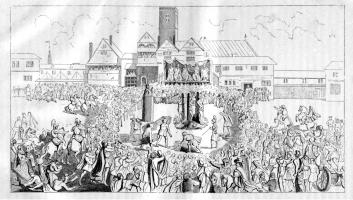
Foxe's Book of Martyrs. [16th July 1546] The sermon being finished, the martyrs [Anne Askew (age 25)], standing there tied at three several stakes ready to their martyrdom, began their prayers. The multitude and concourse of the people was exceeding; the place where they stood being railed about to keep out the press. Upon the bench under St. Bartholomew's church sat Wriothesley (age 40), chancellor of England; the old duke of Norfolk, the old earl of Bedford (age 61), the lord mayor, with divers others. Before the fire should be set unto them, one of the bench, hearing that they had gunpowder about them, and being alarmed lest the faggots, by strength of the gunpowder, would come flying about their ears, began to be afraid: but the earl of Bedford, declaring unto him how the gunpowder was not laid under the faggots, but only about their bodies, to rid them out of their pain, which having vent, there was no danger to them of the faggots, so diminished that fear.
Then Wriothesley, lord chancellor, sent to Anne Askew letters, offering to her the king's pardon if she would recant; who, refusing once to look upon them, made this answer again, that she came not thither to deny her Lord and Master. Then were the letters likewise offered unto the others, who, in like manner, following the constancy of the woman, denied not only to receive them, but also to look upon them. Whereupon the lord mayor, commanding fire to be put unto them, cried with a loud voice, Fiat justitia.
And thus the good Anne Askew, with these blessed martyrs, being troubled se many manner of ways, and having passed through so many torments, having now ended the long course of her agonies, being compassed in with flames of fire, as a blessed sacrifice unto God, she slept in the Lord A.D. 1546, leaving behind her a singular example of Christian constancy for all men to follow.

Become a Member via our Buy Me a Coffee page to read more.
Chronicle of Edward Hall [1496-1548]. 16th July 1546. In this yere was arreigned, condempned and burned, for affirming opinions, contrary to the syxe artycles, foure persones, that is to saye, Anne Askew (age 25) Gentlewoman, Jhon Lacelles a Gentleman, Nicholas Otterden Prieste, and Thon Adlam a Taylor: all these were burned in Smithfelde, the. XVI day of Iuly: and because the whole processe of their matters is by diverse wryters set furth, therfore I passe itover.

On 16th July 1546 Anne Askew (age 25) was burned at the stake at Smithfield [Map] with John Lascelles, Nicholas Belenian and John Adams.
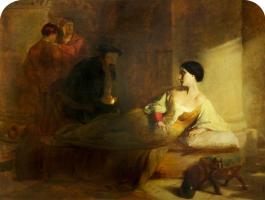
Henry Machyn's Diary. 16th July 1551. The xvj day of July ded of the swet the ij yonge dukes of Suffoke [Note. Henry Brandon 2nd Duke of Suffolk (deceased) and Charles Brandon 3rd Duke of Suffolk (deceased)] of the swet, boyth in one bed in Chambryge-shyre [Map]; and [buried] at (blank in MS.); and ther ded from the viij day of July unto the xix ded of the swett in London of all dyssesus, viijc. iijxx. and xij. and no more in alle, and so the chanseller is serteffyd.
Note. Death of the two young dukes of Suffolk. Henry and Charles Brandon, the only sons of Charles Brandon, duke of Suffolk. Their mother was his second wife, Katharine (age 32), daughter and sole heir of William lord Willoughby de Eresby. (See some excellent letters of hers in Miss Wood's collection, vol. iii.) The report which reached our diarist is incorrect in two respects: the noble youths did not die "in one bed" nor "in Cambridgeshire." Their deaths took place at the bishop of Lincoln's palace [Map] at Bugden, in the county of Huntingdon. A narrative, entitled "Epistola de vita et obitu duorum fratrum Suffolciensium, Henrici et Caroli Brandon," written by sir Thomas Wilson, was shortly after printed. Two interesting extracts from this rare volume will be found in the Gentleman's Magazine for Sept. 1825, vol. xcv. ii. 206. The young men, accompanied by their mother, had just arrived at Bugden, when the duke was suddenly taken ill of the fatal sweat, which in five hours deprived him of life. The younger brother Charles, though placed in a distant chamber, immediately learned what had happened, and being asked by the physician upon what he was meditating, replied, "I am thinking how hard it is to be deprived of one's dearest friend." "Why do you say so?" said he. He answered, "How can you ask me? My brother is dead. However, it is of little matter, I shall soon follow him." And so he did, in half an hour. Sir Thomas Wilson admits the title of duke to the younger brother immediately on the elder's demise, and so we find from our Diary "the ij. dukes" were so called in London. The other extract given in the Gentleman's Magazine is a very high character (in Latin) of the young duke Henry, written by Dr. Walter Haddon, regius professor of civil law in the university of Cambridge: of this Strype (Memorials, Book ii. c. 4,) has given the substance in a translated form. Sir Thomas Wilson, in his Arte of Rhetorique, has also an interesting passage describing the characters of these young noblemen; and some Latin verses on their death, "Carmina in Mortem," &c. were written by Michael Reniger, and printed in 1552, 4to. The circumstance that their mother the duchess was the great patroness of the reforming divines accounts for the extraordinary interest excited by their death. An engraving in Chamberlain's Holbein Heads is taken from two miniatures, supposed to represent these brothers: but if the dates given in the inscriptions are compared, they will be found both to belong to the elder boy.
Note. Mortality from the sweating sickness. Two other reports of this have come down to us, and, though the figures do not exactly correspond, yet they seem all to have been derived from official returns, and there is also some difference in the periods of time. "Letters from London reporte there died in London of the sweatynge sicknes from the 7. of July till the 20. of the same 938 persons, but howe many have died since to this daye, beinge the 23., I knowe not. I truste it is nowe cleane gone." (MS. Harl. 353, f. 107.) Shortly after the disease had terminated, the celebrated Dr. Caius wrote a treatise upon it, which was printed in the following year, under the title of "A boke or counseill against the disease commonly called the sweate, or sweatyng sicknesse. Made by John Caius, doctour in physicke. 1552." Printed by Richard Grafton in black letter, 40 leaves, 12mo. The Dedication to the earl of Pembroke is dated 1st April, 1552. (Caius also wrote a Latin treatise on the same subject, of which a late edition, entitled "Johannis Caii de Ephemera Britannica liber unus," was printed in London, 8vo. 1721.) From this curious volume we learn that the disease first appeared with the army of Henry the Seventh, which arrived at Milford, out of France, the 7 Aug. 1485; next in 1506; again in 1517; a fourth time in 1528; and a fifth in 1551, shortly before the composition of his treatise. On this occasion, "Beginning at Shrewesbury in the middest of April, proceadinge with greate mortalitie to Ludlowe, Prestene, and other places in Wales, then to Westchestre, Coventre, Oxenfoorde, and other tounes in the Southe, and suche as were in and aboute the way to London, whether it came notablie the seventh of July, and there continuing sore, with the loss of vijC.lxi. from the ix. day until the xvi. daye, besides those that died in the vii. and viii. dayes, of whom no registre was kept, from that it abated until the xxx. day of the same, with the loss of C.xlii. more. Then ceasing there, it wente from thence throughe al the east partes of England into the northe, untill the ende of Auguste, at which tyme it diminished, and in the ende of Septembre fully ceassed." The following singular passage relating to this disease occurs in a report of the preaching of Thomas Hancocke, minister of Poole in Dorsetshire. "—in his doctrine he taught them that God had plagued this Realme most justly for their sins with three notable plagues. The first plague was a warning to England, which was the Posting Sweat, that posted from town to town thorow England, and was named Stop-Gallant: for it spared none. For there were some dauncing in the Court at nine a'clock that were dead at eleven. In the same sweat also at Cambridge dyed two worthy imps, the duke of Suffolk his sons, Charles and his brother." (Strype, Memor. iii. chap. vii.) The singular name here noticed occurs also in the register of Uffculme, Devonshire, where the disease prevailed in the month following its devastation in London. "Out of 38 burials entered in that year, 27 were in the first 11 days of August, and 16 of them in three days. The disease of which these persons died is called, in the parish-register, the hote sickness or stup-gallant." Magna Britannia, by Lysons, who adds that he had not been able to find the term elsewhere.


Become a Member via our Buy Me a Coffee page to read more.
Chronicle of Queen Jane and Two Years of Queen Mary 1553. 16th July 1553. The xvj th daye of July the lorde highe treasurer (age 70)c was going to his howse in London at night, and about vij. of the clocke the gates of the Tower [Map] upon a sudden was shut, and the keyes caryed upp to the quene Jane (age 17); but what the cause was I knowe not. The noyes in the Tower was that ther was a seale lackinge; but many men thought they surmysed that but the truthe was she feared some packinge in the lorde treasurer, and so they dyd fetch him at xij. of the clocke in the night from his house in London into the Tower.
Note c. The marquess of Winchester.


On 16th July 1557 Anne of Cleves Queen Consort England (age 41) died at Chelsea Manor [Map]. She was buried at Westminster Abbey [Map] on 3rd August 1557. She was the last of Henry VIII's six wives to die having outlived him by ten years. Hever Castle, Kent [Map] appears to have been appropriated by Edward Waldegrave (age 40), one of the Commissioners for the sale of Crown land, who assigned himself the Castle and estate of Hever.
Henry Machyn's Diary. 16th July 1557. [The xvi day of July died the lady Anna of Cleves (age 41), at Chelsea, sometime wife and queen to king Henry the] viijth, but she was never crounyd, butt [remained in England,] and she was seyryd [cered ie inclosed in waxed cloths.] the nyght folohyng.
Wriothesley's Chronicle [1508-1562]. This yeare in Julie [16th July 1557] died the Ladie Ann of Cleve, at Chelsey, and the 5 of August her corps were solemnlye brought from thence to the Abbey of Westminster, and there buried by the highe aulter.
Note 1. The body of the late Queen, which had been sered, i.e. inclosed in waxed cloths, the night following her death, was interred with great pomp in Westminster Abbey on the 3rd August — See Machyn's Diary, p. 145; and was buried, as Stow says, "at the head of King Sebert," where "she Ilyeth in a tomb not yet finished." — See Vetusta Monumenta, ii. pl. 35.

Henry Machyn's Diary. 16th July 1561. The xvj day of July was cristened Robard Dethyke the sune of ser Gylbartt Dethyke (age 51), Garter, in the parryche of sant Gylles withowt Crepull-gatte [Map], and the chyrche hangyd with clothes of arrys and the cloth of state, and strode with gren rysses and strode with orbese [herbs], and ser Wylliam Huett (age 65) depute for my lord of Shrowsbere (age 33) and master Care [Carey] [Note. Possibly George Carey 2nd Baron Hunsdon (age 14)] depute for my lord Honsdon (age 35), and my lade Sakefeld [Note. Possibly Cicely Baker Countess Dorset (age 26)] the quen('s) depute; and after wafurs and epocrasse grett plente, and myche pepull ther, and my lade Yorke bare my lade depute's trayne; and so hom to here plase, and had a bankett. a bankett .... [master Alexander Avenon was] chosen the shreyff for the quen('s) grace.
Note. P. 264. Christening of Robert Dethiek. It was no unfrequent honour paid by queen Elizabeth to her subjects to stand godmother to their children. In a list of her presents of plate there are nine instances between the 21st April and the 24th Nov. 1561, and among them, "Item, given by her Majestie the 15th of July, to the chrystenyng of sir William Dethyk, alias Garter king at armes, his childe, oone guilte cup with a cover, per oz. 19¼ dim. oz. Bought of the Goldsmyth." Queen Elizabeth's Progresses, edit. 1823, vol. i. p. 129.
On 16th July 1594 Luise Juliane Palatinate Simmern was born to Frederick IV Elector Palatine (age 20) and Electress Louise Juliana of the Palatine Rhine (age 18).
On 16th July 1608 César Bourbon Vendôme 1st Duke Vendôme (age 14) and Françoise Lorraine Duchess Vendôme (age 15) were married. She by marriage Duchess Vendôme. He the illegitmate son of Henry IV King France (age 54) and Gabrielle d'Estrées. They were half third cousin once removed.
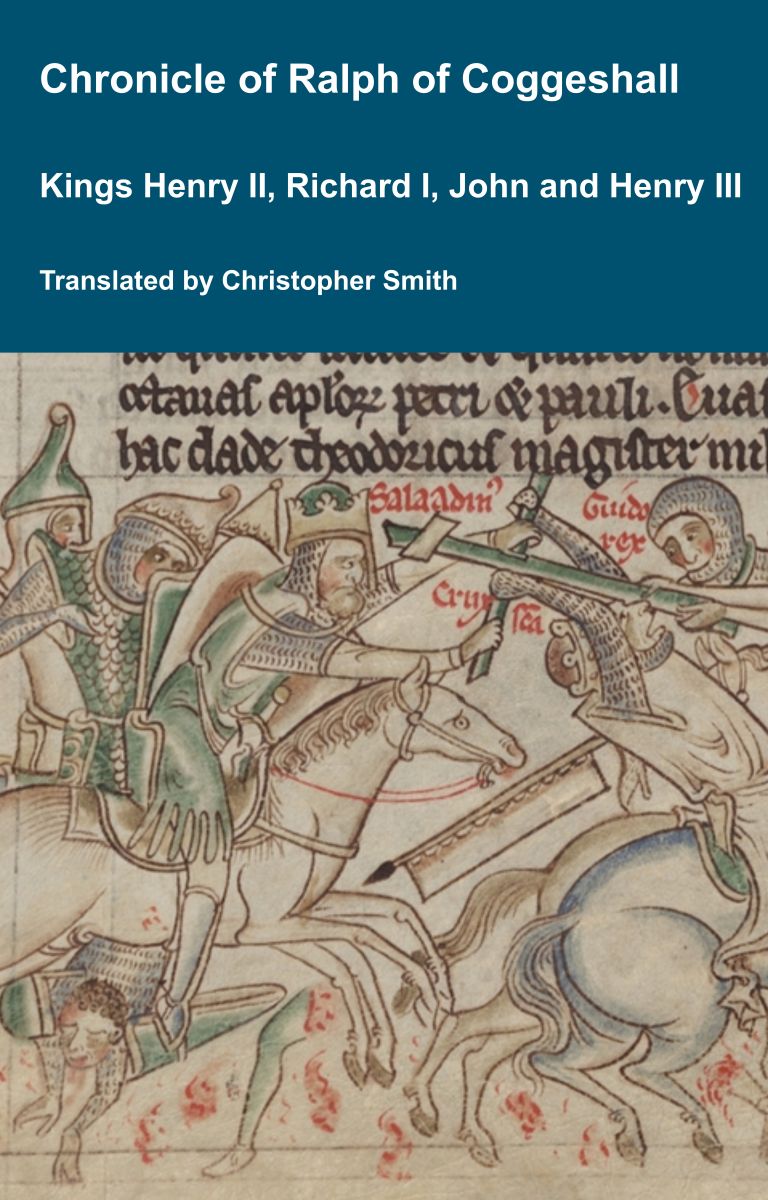
Chronicle of Abbot Ralph of Coggeshall
The Chronicle of Abbot Ralph of Coggeshall (Chronicon Anglicanum) is an indispensable medieval history that brings to life centuries of English and European affairs through the eyes of a learned Cistercian monk. Ralph of Coggeshall, abbot of the Abbey of Coggeshall in Essex in the early 13th century, continued and expanded his community’s chronicle, documenting events from the Norman Conquest of 1066 into the tumultuous reign of King Henry III. Blending eyewitness testimony, careful compilation, and the monastic commitment to record-keeping, this chronicle offers a rare narrative of political intrigue, royal power struggles, and social upheaval in England and beyond. Ralph’s work captures the reigns of pivotal figures such as Richard I and King John, providing invaluable insights into their characters, decisions, and the forces that shaped medieval rule. More than a simple annal, Chronicon Anglicanum conveys the texture of medieval life and governance, making it a rich source for scholars and readers fascinated by English history, monastic authorship, and the shaping of the medieval world.
Available at Amazon in eBook and Paperback format.
On 16th July 1611 Cecilia Renata Habsburg Spain was born to Ferdinand of Spain II Holy Roman Emperor (age 33) and Maria Anna Wittelsbach Holy Roman Empress (age 36). Coefficient of inbreeding 11.68%.

Diary of Anne Clifford. 16th July 1617. The 16th Lady Wootton came here on horseback, she and my Lord (age 28) having lain that night at Sir Percival Hart's, and so hunted a deer as far as Otford; she stay'd not above an hour in regard she saw I was so resolutely bent not to part with Westmoreland.
Note 1. At Lullingstone Castle.
Note 2. About this time Lord Keeper and all his Company left Dorset House. [Q: House.]
In 1638 Thomas Scott was born to Edward Scott and Catherine Goring although John Evelyn suggests in the entry for 16th July 1663 that he is the son of Prince Rupert Palatinate Simmern 1st Duke Cumberland (age 18). He married 1663 Caroline Carteret, daughter of George Carteret 1st Baronet.


On 16th July 1643 Francis Willoughby 5th Baron Willoughby of Parham launched a night attack on Gainsborough [Map] and captured it and Robert Pierrepont 1st Earl Kingston (age 58).
On 25th July 1643 Robert Pierrepont 1st Earl Kingston Was accidentally shot and killed while a prisoner on board a vessel bound for Hull. His son Henry (age 37) succeeded 2nd Earl Kingston upon Hull, 2nd Viscount Newark, 2nd Baron Pierrepont of Holme Pierrepoint. Catherine Stanley Marchioness Dorchester by marriage Countess Kingston upon Hull.
On 16th July 1645 William Morgan (age 85) was visited by King Charles II of England Scotland and Ireland (age 15) who stayed ovenight.
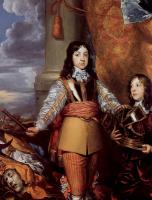


In July 1661 King Charles II of England Scotland and Ireland (age 31) created new Baronetcies and Peerages...
10th July 1661 Christopher Guise 1st Baronet (age 44) was created 1st Baronet Guise of Elmore in Gloucestershire.
16th July 1661 Philip Parker 1st Baronet (age 43) was created 1st Baronet Parker of Arwarton in Suffolk. Rebecca Long Lady Parker by marriage Lady Parker of Arwarton in Suffolk.
21st July 1661 Charles Hussey 1st Baronet (age 35) was created 1st Baronet Hussey of Caythorpe in Lincolnshire.
21st July 1661 Edward Barkham 1st Baronet (age 31) was created 1st Baronet Barkham Waynflete.
25th July 1661 John Banks 1st Baronet (age 34) was created 1st Baronet Banks of London by King Charles I of England, Scotland and Ireland.


Samuel Pepys' Diary. 16th July 1662. This day I was told that my Baroness Castlemaine's (age 21) (being quite fallen out with her husband (age 28)) did yesterday go away from him, with all her plate, jewels, and other best things; and is gone to Richmond to a brother (age 42) of hers1; which, I am apt to think, was a design to get out of town, that the King (age 32) might come at her the better. But strange it is how for her beauty I am willing to construe all this to the best and to pity her wherein it is to her hurt, though I know well enough she is a whore.
Note 1. Note this is a mistake for her uncle Edward Villiers.


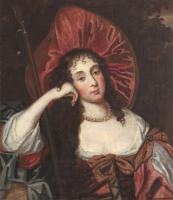


John Evelyn's Diary. 16th July 1663. Sir George Carteret (age 53), Treasurer of the Navy, had now married his daughter, Caroline, to Sir Thomas Scott (age 25), of Scott's Hall, in Kent. This gentleman was thought to be the son of Prince Rupert (age 43).
On 16th July 1664 Philippe Charles Bourbon was born to Philip Bourbon I Duke Orléans (age 23) and Princess Henrietta Stewart Duchess Orléans (age 20). He a grandson of King Charles I of England, Scotland and Ireland. Coefficient of inbreeding 7.50%. He died aged two in 1666.


Samuel Pepys' Diary. 16th July 1664. Thence with Creed by coach to my Lord Sandwich's (age 38), and there I got Mr. Moore to give me my Lord's hand for my receipt of £109 more of my money of Sir G. Carteret (age 54), so that then his debt to me will be under £500, I think. This do ease my mind also.


Samuel Pepys' Diary. 16th July 1664. Thence walked a while with Mr. Coventry (age 36) in the gallery, and first find that he is mighty cold in his present opinion of Mr. Peter Pett (age 53) for his flagging and doing things so lazily there, and he did also surprise me with a question why Deane (age 30) did not bring in their report of the timber of Clarendon. What he means thereby I know not, but at present put him off; nor do I know how to steer myself: but I must think of it, and advise with my Lord Sandwich (age 38).

John Evelyn's Diary. 16th July 1665. There died of the plague in London this week 1,100; and in the week following, above 2,000. Two houses were shut up in our parish.
Samuel Pepys' Diary. 16th July 1668. Thence to Cooper's (age 59), and saw his advance on my wife's picture, which will be indeed very fine. So with her to the 'Change [Map], to buy some things, and here I first bought of the sempstress next my bookseller's, where the pretty young girl is, that will be a great beauty.
The History of William Marshal was commissioned by his son shortly after William’s death in 1219 to celebrate the Marshal’s remarkable life; it is an authentic, contemporary voice. The manuscript was discovered in 1861 by French historian Paul Meyer. Meyer published the manuscript in its original Anglo-French in 1891 in two books. This book is a line by line translation of the first of Meyer’s books; lines 1-10152. Book 1 of the History begins in 1139 and ends in 1194. It describes the events of the Anarchy, the role of William’s father John, John’s marriages, William’s childhood, his role as a hostage at the siege of Newbury, his injury and imprisonment in Poitou where he met Eleanor of Aquitaine and his life as a knight errant. It continues with the accusation against him of an improper relationship with Margaret, wife of Henry the Young King, his exile, and return, the death of Henry the Young King, the rebellion of Richard, the future King Richard I, war with France, the death of King Henry II, and the capture of King Richard, and the rebellion of John, the future King John. It ends with the release of King Richard and the death of John Marshal.
Available at Amazon in eBook and Paperback format.
John Evelyn's Diary. 15th July 1669. Having two days before had notice that the University intended me the honor of Doctorship, I was this morning attended by the beadles belonging to the Law, who conducted me to the Theater, where I found the Duke of Ormond (age 58) (now Chancellor of the University) with the Earl of Chesterfield (age 35) and Mr. Spencer (age 40) (brother to the late Earl of Sunderland). Thence, we marched to the Convocation House, a convocation having been called on purpose; here, being all of us robed in the porch, in scarlet with caps and hoods, we were led in by the Professor of Laws, and presented respectively by name, with a short eulogy, to the Vice-Chancellor, who sat in the chair, with all the Doctors and Heads of Houses and masters about the room, which was exceedingly full. Then, began the Public Orator his speech, directed chiefly to the Duke of Ormond, the Chancellor; but in which I had my compliment, in course. This ended, we were called up, and created Doctors according to the form, and seated by the Vice-Chancellor among the Doctors, on his right hand; then, the Vice-Chancellor made a short speech, and so, saluting our brother Doctors, the pageantry concluded, and the convocation was dissolved. So formal a creation of honorary Doctors had seldom been seen, that a convocation should be called on purpose, and speeches made by the Orator; but they could do no less, their Chancellor being to receive, or rather do them, this honor. I should have been made Doctor with the rest at the public Act, but their expectation of their Chancellor made them defer it. I was then led with my brother Doctors to an extraordinary entertainment at Doctor Mewes's, head of St John's College, Oxford University, and, after abundance of feasting and compliments, having visited the Vice-Chancellor and other Doctors, and given them thanks for the honor done me, I went toward home the 16th, and got as far as Windsor, Berkshire [Map], and so to my house the next day.


Become a Member via our Buy Me a Coffee page to read more.
On 16th July 1672 Barbara Fitzroy was born illegitimately to John Churchill (age 22) and Barbara Villiers 1st Duchess of Cleveland (age 31) at Merton College, Oxford University. She claimed the child was the King's (age 42) but most consider her father to be John Churchill, subsequently Duke of Marlborough.
On 16th July 1678 Sophie Charlotte Hesse-Kassel Duchess Mecklenburg-Schwerin was born to Charles I Landgrave Hesse-Kassel (age 23) and Maria Amalia of Courland Landgravine Hesse-Kassel (age 25). Coefficient of inbreeding 6.66%. She married 2nd January 1704 her fourth cousin Frederick William I Duke Mecklenburg-Schwerin.
On 16th July 1697 John Brownlow 3rd Baronet (age 38) committed suicide after suffering from severe gout. His brother William (age 31) succeeded 4th Baronet Brownlow of Humby in Lincolnshire and inherited Belton House [Map]. Dorothy Mason Baroness Brownlow (age 30) by marriage Lady Brownlow of Humby in Lincolnshire.
Monument in St Peter and St Paul Church, Belton [Map] sculpted by William Stanton (age 58).


On 16th July 1719 Philip Gell 3rd Baronet (age 68) died without issue. He was buried at St Mary's Church, Wirksworth [Map]. Monument to Philip Gell 3rd Baronet. Baronet Gell of Hopton in Derbyshire extinct. His esates were inherited by his nephew John Gell son of William Eyre and Philip's sister Katherine Gell who adopted the name Gell.
On 16th July 1719 Meinhart Schomberg 3rd Duke Schomberg (age 78) died. Duke Schomberg extinct.
On 16th July 1722 Joseph Wilton was born.

On 16th July 1723 Joshua Reynolds was born to Samuel Reynolds in Plymton, Plymouth, Devon.
On 16th July 1735 Cassandra Willoughby Duchess Chandos (age 65) died. She was buried at Chandos Mausoleum Church of St Lawrence Whitchurch Lane Little Stanmore.
On 16th July 1740 Maria Anna Neuburg Queen Consort Spain (age 72) died.
On 16th July 1770 Francis Cotes (age 44) died.
On 16th July 1799 Charlotte Albinia Montagu Scott was born to Charles Scott 4th Duke Buccleuch 6th Duke Queensberry (age 27) and Harriet Katherine Townshend Duchess Buccleuch Duchess Queensbury (age 25). Coefficient of inbreeding 1.60%.
On 16th July 1799 James Graham 4th Duke Montrose was born to James Graham 3rd Duke Montrose (age 43) and Caroline Maria Montagu Duchess Montrose. He married 1836 Caroline Agnes Horsley Beresford "Mr Manton" Duchess Montrose, daughter of John Horsley Beresford 2nd Baron Decies and Charlotte Philadelphia Horsley, and had issue.

On 16th July 1802 George Godolphin Osborne 8th Duke Leeds was born to Francis Osborne 1st Baron Godolphin (age 24) and Elizabeth Charlotte Eden Baroness Godolphin (age 22). He married 21st October 1824 his fourth cousin Harriet Emma Arundel Stewart, daughter of Granville Leveson-Gower 1st Earl Granville and Henrietta Frances Spencer Countess Bessborough, and had issue.
On 16th July 1814 Mary Octavia Somerset Lady Farquhar was born to Henry Charles Somerset 6th Duke Beaufort (age 47) and Charlotte Sophia Leveson-Gower Duchess Beaufort (age 43). She married 28th November 1837 Walter Rockliffe Farquhar 3rd Baronet, son of Thomas Harvie Farquhar 2nd Baronet, and had issue.
Greville Memoirs. 16th July 1830. The King's good-nature, simplicity, and affability to all about him are certainly very striking, and in his elevation he does not forget any of his old friends and companions. He was in no hurry to take upon himself the dignity of King, nor to throw off the habits and manners of a country gentleman. When Lord Chesterfield went to Bushy to kiss his hand, and be presented to the Queen, he found Sir John and Lady Gore there lunching, and when they went away the King called for their carriage, handed Lady Gore into it, and stood at the door to see them off. When Lord Howe came over from Twickenham to see him, he said the Queen was going out driving, and should 'drop him' at his own house. The Queen, they say, is by no means delighted at her elevation. She likes quiet and retirement and Bushy (of which the King has made her Ranger), and does not want to be a Queen. However, 'L'appétit viendra en mangeant.' He says he does not want luxury and magnificence, has slept in a cot, and he has dismissed the King's cooks, 'renversé la marmite.' He keeps the stud (which is to be diminished) because he thinks he ought to support the turf. He has made Mount Charles (age 63) a Lord of the Bedchamber, and given the Robes to Sir C. Pole, an admiral. Altogether he seems a kind-hearted, well-meaning, not stupid, burlesque, bustling old fellow, and if he doesn't go mad may make a very decent King, but he exhibits oddities. He would not have his servants in mourning—that is, not those of his own family and household—but he sent the Duke of Sussex to Mrs. Fitzherbert to desire she would put hers in mourning, and consequently so they are. The King and she have always been friends, as she has, in fact, been with all the Royal Family, but it was very strange. Yesterday morning he sent for the officer on guard, and ordered him to take all the muffles off the drums, the scarfs off the regimentals, and so to appear on parade, where he went himself. The colonel would have put the officer under arrest for doing this without his orders, but the King said he was commanding officer of his own guard, and forbade him. All odd, and people are frightened, but his wits will at least last till the new Parliament meets. I sent him a very respectful request through Taylor that he would pay £300, all that remained due of the Duke of York's debts at Newmarket, which he assented to directly, as soon as the Privy Purse should be settled—very good-natured. In the meantime it is said that the bastards are dissatisfied that more is not done for them, but he cannot do much for them at once, and he must have time. He has done all he can; he has made Errol Master of the Horse, Sidney a Guelph and Equerry, George Fitzclarence the same and Adjutant-General, and doubtless they will all have their turn. Of course the stories told about the rapacity of the Conynghams have been innumerable. The King's will excited much astonishment, but as yet nothing is for certain known about the money, or what became of it, or what he gave away, and to whom, in his lifetime.
Become a Member via our Buy Me a Coffee page to read more.
William of Worcester's Chronicle of England
William of Worcester, born around 1415, and died around 1482 was secretary to John Fastolf, the renowned soldier of the Hundred Years War, during which time he collected documents, letters, and wrote a record of events. Following their return to England in 1440 William was witness to major events. Twice in his chronicle he uses the first person: 1. when writing about the murder of Thomas, 7th Baron Scales, in 1460, he writes '… and I saw him lying naked in the cemetery near the porch of the church of St. Mary Overie in Southwark …' and 2. describing King Edward IV's entry into London in 1461 he writes '… proclaimed that all the people themselves were to recognize and acknowledge Edward as king. I was present and heard this, and immediately went down with them into the city'. William’s Chronicle is rich in detail. It is the source of much information about the Wars of the Roses, including the term 'Diabolical Marriage' to describe the marriage of Queen Elizabeth Woodville’s brother John’s marriage to Katherine, Dowager Duchess of Norfolk, he aged twenty, she sixty-five or more, and the story about a paper crown being placed in mockery on the severed head of Richard, 3rd Duke of York.
Available at Amazon in eBook and Paperback format.
Greville Memoirs. 16th July 1830. At the late King's funeral he behaved with great indecency. That ceremony was very well managed, and a fine sight, the military part particularly, and the Guards were magnificent. The attendance was not very numerous, and when they had all got together in St. George's Hall a gayer company I never beheld; with the exception of Mount Charles (age 63), who was deeply affected, they were all as merry as grigs. The King was chief mourner, and, to my astonishment, as he entered the chapel directly behind the body, in a situation in which he should have been apparently, if not really, absorbed in the melancholy duty he was performing, he darted up to Strathaven, who was ranged on one side below the Dean's stall, shook him heartily by the hand, and then went on nodding to the right and left. He had previously gone as chief mourner to sit for an hour at the head of the body as it lay in state, and he walked in procession with his household to the apartment. I saw him pass from behind the screen. Lord Jersey had been in the morning to Bushy to kiss hands on being made Chamberlain, when he had received him very graciously, told him it was the Duke and not himself who had made him, but that he was delighted to have him. At Windsor, when he arrived, he gave Jersey the white wand, or rather took one from him he had provided for himself, and gave it him again with a little speech. When he went to sit in state, Jersey preceded him, and he said when all was ready, 'Go on to the body, Jersey; you will get your dress coat as soon as you can.' The morning after the funeral, having slept at Frogmore, he went all over the Castle, into every room in the house, which he had never seen before except when he came there as a guest; after which he received an address from the ecclesiastical bodies of Windsor and Eton, and returned an answer quite unpremeditated which they told me was excellent.
On 16th July 1838 Ernest Saxe Coburg Gotha I Duke Saxe Coburg Gotha (age 54) was appointed 682nd Knight of the Garter by Queen Victoria of the United Kingdom (age 19).
Thomas Bateman 1845. On the 16th of July, 1845, another small tumulus upon Ilam Moor, distant from the preceding one about a quarter of a mile was opened; this barrow was raised two feet higher than the surrounding land, and was found to cover a grave dug to the depth of four feet in the natural soil, which was roughly walled round in order to form the usual kistvaen, or stone chest; in this lay the original interment, a male skeleton placed upon its left side, with the legs drawn up close to the thigh-bones. As is frequently the case in these very early interments, the body was unaccompanied by either urn, weapon, or ornament; the only noticeable circumstance in this case was the great thickness of some of the bones. Near the surface of the barrow were two later interments, consisting of calcined bones; with one of these was the skeleton of a polecat, which appears by former discoveries to be no unusual circumstance. Incidentally were found two indifferent arrow-heads of flint, and various animal bones, amongst which were the seldom absent rats' bones.
Ten Years' Digging. On the 21st of June we made an excavation in the centre of a large tumulus, at the Brund [Brund Low [Map]], near Sheen, measuring 38 yards diameter and nine feet high, composed of earth. About half way down we found a deposit of calcined bones, much decayed, the teeth being most conspicuous amongst the fragments. Near them was a triangular sandstone, in which a circular cavity had been artificially worked, like that found at Elkstone on the 31st of August, 1850. By filling up the cutting, we found a flint that had been chipped to a circular form.
On the 16th of July we made another parallel trench, near four yards long, which at the north end was two yards deep, and gradually increased to three at the other extremity, before reaching the undisturbed surface. We found no interment, but observed a little charcoal, and picked up two chippings of flint, and another of the sandstones, with a cup-shaped cavity worked in it. The stone in this case was too large for carriage, so we cut out the part with the cup. Capsular stones of this kind are not uncom* monly found in tumuli on the Yorkshire moors, especially in the neighbourhood of Pickering, as will be seen further on in this volume. I was also told by Mr. Rhind that he had found the same inside the primitive structures called "Picts' Houses," in Caithness. We were told that the apex of this barrow had been much lowered some time since, when a bronze weapon, half a yard in length, was found.

In 1852 Flora Elizabeth Campbell died in childbirth. Buried at St Andrew's Church, Wimpole [Map].
On 16th July 1861 Henry Eliot Yorke (age 23) died in India.
Flora Elizabeth Campbell: she was born to General Alexander Campbell. In 1833 Henry Reginald Yorke and she were married.
Henry Eliot Yorke: Around 1838 he was born to Henry Reginald Yorke and Flora Elizabeth Campbell. Before 16th July 1861 he was appointed Lieutenant of the Royal Bombay Artillery.
Adeline Horsey Recollections. 16th July 1864. Those days were rather noted for elopements, and two of my friends, Baroness Rose Somerset (age 35) and Lady Adela Villiers, were among the numerous romantic girls who were married in haste and sometimes repented at leisure. Florence Paget's (age 21) elopement with the last Marquis of Hastings (age 21) on the eve of her marriage with Henry Chaplin (age 23) is too well known for me to repeat the story.


On 16th July 1885 John Everett Millais 1st Baronet (age 56) was created 1st Baronet Millais of Palace Gate in Kensington in Middlesex. Euphemia "Effie" Gray Lady Millais (age 57) by marriage Lady Millais of Palace Gate in Kensington in Middlesex.
On 16th July 1895 George McCorquodale (age 78) died.
George McCorquodale: On 10th May 1817 he was born to Hugh McCorquodale and Lucia Hall. On 24th December 1844 George McCorquodale and Louisa Kate Honan were married. After 1870 George McCorquodale and Emily Sanderson were married. The difference in their ages was 20 years.
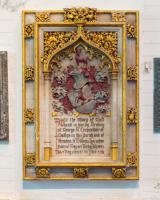
On 16th July 1937 John Melhuish Strudwick (age 88) died.
On 16th July 1164 Frederick Hohenstaufen was born to Frederick "Barbarossa" Hohenstaufen I Holy Roman Emperor (age 42) and Beatrice of Burgundy Holy Roman Empress (age 19). He died aged six in 1170.
On 16th July 1594 Luise Juliane Palatinate Simmern was born to Frederick IV Elector Palatine (age 20) and Electress Louise Juliana of the Palatine Rhine (age 18).
Chronicle of Abbot Ralph of Coggeshall
The Chronicle of Abbot Ralph of Coggeshall (Chronicon Anglicanum) is an indispensable medieval history that brings to life centuries of English and European affairs through the eyes of a learned Cistercian monk. Ralph of Coggeshall, abbot of the Abbey of Coggeshall in Essex in the early 13th century, continued and expanded his community’s chronicle, documenting events from the Norman Conquest of 1066 into the tumultuous reign of King Henry III. Blending eyewitness testimony, careful compilation, and the monastic commitment to record-keeping, this chronicle offers a rare narrative of political intrigue, royal power struggles, and social upheaval in England and beyond. Ralph’s work captures the reigns of pivotal figures such as Richard I and King John, providing invaluable insights into their characters, decisions, and the forces that shaped medieval rule. More than a simple annal, Chronicon Anglicanum conveys the texture of medieval life and governance, making it a rich source for scholars and readers fascinated by English history, monastic authorship, and the shaping of the medieval world.
Available at Amazon in eBook and Paperback format.
On 16th July 1611 Cecilia Renata Habsburg Spain was born to Ferdinand of Spain II Holy Roman Emperor (age 33) and Maria Anna Wittelsbach Holy Roman Empress (age 36). Coefficient of inbreeding 11.68%.
On 16th July 1664 Philippe Charles Bourbon was born to Philip Bourbon I Duke Orléans (age 23) and Princess Henrietta Stewart Duchess Orléans (age 20). He a grandson of King Charles I of England, Scotland and Ireland. Coefficient of inbreeding 7.50%. He died aged two in 1666.
On 16th July 1672 Barbara Fitzroy was born illegitimately to John Churchill (age 22) and Barbara Villiers 1st Duchess of Cleveland (age 31) at Merton College, Oxford University. She claimed the child was the King's (age 42) but most consider her father to be John Churchill, subsequently Duke of Marlborough.
On 16th July 1673 John Jeffreys 2nd Baron Jeffreys was born to George "Hanging Judge" Jeffreys 1st Baron Jeffreys (age 28) and Sarah Needham. He married before 15th November 1698 Charlotte Herbert Viscountess Windsor, daughter of Philip "Infamous Earl" Herbert 7th Earl Pembroke 4th Earl Montgomery and Henrietta Kéroualle Countess Pembroke and Montgomery, and had issue.


On 16th July 1678 Sophie Charlotte Hesse-Kassel Duchess Mecklenburg-Schwerin was born to Charles I Landgrave Hesse-Kassel (age 23) and Maria Amalia of Courland Landgravine Hesse-Kassel (age 25). Coefficient of inbreeding 6.66%. She married 2nd January 1704 her fourth cousin Frederick William I Duke Mecklenburg-Schwerin.
On 16th July 1694 Marcus Beresford 1st Earl Tyrone was born to Tristram Beresford 3rd Baronet (age 25). He married 18th July 1717 his second cousin once removed Catherine Power Countess Tyrone, daughter of James Power 3rd Earl Tyrone, and had issue.
On 16th July 1722 Joseph Wilton was born.
On 16th July 1723 Joshua Reynolds was born to Samuel Reynolds in Plymton, Plymouth, Devon.
On 16th July 1726 William Wheeler 6th Baronet was born to William Wheler 5th Baronet (age 22) and Penelope Glynne Lady Wheler. He was baptised at All Saints' Church, Leamington Hastings on 4th August 1726. He married before 17th May 1753 Lucy Knightley Lady Wheler and had issue.
On 16th July 1761 George Barrington 5th Viscount Barrington was born to John Barrington (age 39). He married 12th June 1788 Elizabeth Adair Viscountess Barrington and had issue.
On 16th July 1772 William Richard Annesley 3rd Earl Annesley was born to Richard Annesley 2nd Earl Annesley (age 27). He married 15th July 1828 Priscilla Cecilia Moore and had issue.
Chronicle of Abbot Ralph of Coggeshall
The Chronicle of Abbot Ralph of Coggeshall (Chronicon Anglicanum) is an indispensable medieval history that brings to life centuries of English and European affairs through the eyes of a learned Cistercian monk. Ralph of Coggeshall, abbot of the Abbey of Coggeshall in Essex in the early 13th century, continued and expanded his community’s chronicle, documenting events from the Norman Conquest of 1066 into the tumultuous reign of King Henry III. Blending eyewitness testimony, careful compilation, and the monastic commitment to record-keeping, this chronicle offers a rare narrative of political intrigue, royal power struggles, and social upheaval in England and beyond. Ralph’s work captures the reigns of pivotal figures such as Richard I and King John, providing invaluable insights into their characters, decisions, and the forces that shaped medieval rule. More than a simple annal, Chronicon Anglicanum conveys the texture of medieval life and governance, making it a rich source for scholars and readers fascinated by English history, monastic authorship, and the shaping of the medieval world.
Available at Amazon in eBook and Paperback format.
On 16th July 1779 Edmund Bacon 10th and 9th Baronet was born to Edmund Bacon 9th and 8th Baronet (age 29) and Anne Proctor Lady Bacon (age 30). He married 27th August 1801 his first cousin Mary Anne Elizabeth Bacon and had issue.
On 16th July 1787 Leonard Worsley-Holmes 9th Baronet was born to Reverend Henry Worsley 8th Baronet (age 31).
On 16th July 1798 Baptist Wriothesley Noel was born to Gerard Edwardes aka Noel 2nd Baronet (age 38) and Diana Middleton 2nd Baroness Barham (age 35).
On 16th July 1799 James Graham 4th Duke Montrose was born to James Graham 3rd Duke Montrose (age 43) and Caroline Maria Montagu Duchess Montrose. He married 1836 Caroline Agnes Horsley Beresford "Mr Manton" Duchess Montrose, daughter of John Horsley Beresford 2nd Baron Decies and Charlotte Philadelphia Horsley, and had issue.
On 16th July 1799 George Berkeley Molyneux was born to William "Lord Dashalong" Molyneux 2nd Earl Sefton (age 26) and Maria Margaret Craven Countess Sefton.
On 16th July 1799 Charlotte Albinia Montagu Scott was born to Charles Scott 4th Duke Buccleuch 6th Duke Queensberry (age 27) and Harriet Katherine Townshend Duchess Buccleuch Duchess Queensbury (age 25). Coefficient of inbreeding 1.60%.
On 16th July 1802 George Godolphin Osborne 8th Duke Leeds was born to Francis Osborne 1st Baron Godolphin (age 24) and Elizabeth Charlotte Eden Baroness Godolphin (age 22). He married 21st October 1824 his fourth cousin Harriet Emma Arundel Stewart, daughter of Granville Leveson-Gower 1st Earl Granville and Henrietta Frances Spencer Countess Bessborough, and had issue.
On 16th July 1810 George Pitt-Rivers 4th Baron Rivers was born to Horace Beckford aka Pitt-Rivers 3rd Baron Rivers (age 32) and Frances Rigby. He married 2nd February 1833 Susan Georgiana Leveson-Gower Baroness Rivers, daughter of Granville Leveson-Gower 1st Earl Granville and Harriet Cavendish Countess Granville, and had issue.
On 16th June 1812 or 16th July 1812 Mary Paget Countess Sandwich was born to Henry William Paget 1st Marquess Anglesey (age 44) and Charlotte Cadogan Marchioness Anglesey (age 30). She married 6th September 1838 John William Montagu 7th Earl Sandwich, son of George Montagu 6th Earl Sandwich and Louisa Lowry-Corry Countess of Sandwich, and had issue.


On 16th July 1814 Mary Octavia Somerset Lady Farquhar was born to Henry Charles Somerset 6th Duke Beaufort (age 47) and Charlotte Sophia Leveson-Gower Duchess Beaufort (age 43). She married 28th November 1837 Walter Rockliffe Farquhar 3rd Baronet, son of Thomas Harvie Farquhar 2nd Baronet, and had issue.
On 16th July 1827 George Hay-Drummond 12th Earl Kinnoull was born to Thomas Hay-Drummond 11th Earl Kinnoull (age 42) and Louisa Burton Rowley Countess Kinnoul. He married 20th July 1848 Emily Blanche Charlotte Somerset Countess Kinnoul, daughter of Henry Somerset 7th Duke Beaufort and Emily Frances Smith Duchess Beaufort, and had issue.
Jean de Waurin's Chronicle of England Volume 6 Books 3-6: The Wars of the Roses
Jean de Waurin was a French Chronicler, from the Artois region, who was born around 1400, and died around 1474. Waurin’s Chronicle of England, Volume 6, covering the period 1450 to 1471, from which we have selected and translated Chapters relating to the Wars of the Roses, provides a vivid, original, contemporary description of key events some of which he witnessed first-hand, some of which he was told by the key people involved with whom Waurin had a personal relationship.
Available at Amazon in eBook and Paperback format.
On 16th July 1830 Margaret Charlotte Paulett was born to John Paulett 5th Earl Paulett (age 47). She died aged three in 1834.
On 16th July 1832 Anna Caroline Stanhope was born to Leicester FitzGerald Charles Stanhope 5th Earl of Harrington (age 47) and Elizabeth Green Countess Harrington (age 23). She married 13th November 1850 Edward Sacheverell Chandos-Pole and had issue.

On 16th July 1833 Eliza Horatia Seymour Viscountess Clifden was born to Frederick Charles William Seymour (age 36) and Augusta Hervey (age 33). She married 1861 her half fifth cousin once removed Henry Agar-Ellis 3rd Viscount Clifden, son of George James Welbore Agar 1st Baron Dover and Georgiana Howard Lady Dover, and had issue.
On 16th July 1837 Francis Knollys 1st Viscount Knollys was born to General William Thomas Knollys (age 39) and Elizabeth St Aubyn (age 22). He married 11th April 1887 Ardyn Mary Tyrwhitt Viscountess Knollys, daughter of Henry Thomas Tyrwhitt-Jones 3rd Baronet and Emma Harriet Wilson 12th Baroness Berners, and had issue.
On 16th July 1842 Thomas Dyke Acland 12th Baronet was born to Thomas Dyke Acland 11th Baronet (age 33) and Mary Mordaunt (age 49) at Queen Anne Street Marylebone. He married 1st November 1879 Gertrude Walrond Lady Acland.
On 16th July 1845 Stillborn Shirley was born to Washington Sewallis Shirley 9th Earl Ferrers (age 23) and Annabella Augusta Chichester Countess Ferrers.

On 16th July 1848 Evelyn Laura Barrington Countess Craven was born to George Barrington 7th Viscount Barrington (age 24). She married 2nd January 1867 her fifth cousin George Grimston Craven 3rd Earl Craven, son of William Craven 2nd Earl Craven and Emily Mary Grimston Countess Craven.
On 16th July 1852 Charles Stewart Vane-Tempest-Stewart 6th Marquess Londonderry was born to George Henry Vane-Tempest 5th Marquess Londonderry (age 31) and Mary Cornelia Edwards Marchioness Londonderry (age 23). He married 2nd October 1875 Theresa Susey Helen Chetwynd-Talbot Marchioness Londonderry, daughter of Charles Chetwynd-Talbot 19th Earl of Shrewsbury 4th Earl Talbot and Anna Theresa Cockerell Countess Shrewsbury and Waterford, and had issue.


On 16th July 1853 Devereux Hugh Lupus Shirley was born to Washington Sewallis Shirley 9th Earl Ferrers (age 31) and Annabella Augusta Chichester Countess Ferrers. He died aged less than one years old.
On 16th July 1875 Helena Mary Bridgeman Countess Sefton was born to George Cecil Orlando Bridgeman 4th Earl Bradford (age 30) and Ida Frances Annabella Lumley Countess Bradford (age 26). She married 8th January 1898 her sixth cousin Osbert Molyneux 6th Earl Sefton, son of William Molyneux 4th Earl Sefton and Cecil Emily Jolliffe, and had issue.
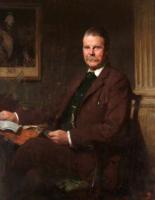
On 16th July 1884 Edward Hugh Mosley was born to Tonman Mosley 1st Baron Anslow (age 34) and Hilda Rose Montgomerie Baroness Anslow.
On 16th July 1919 Charles Spencer Richard Graham 6th Baronet was born to Fergus Frederick Graham 5th Baronet (age 26) and Mary Spencer Revell Reade (age 21).

On 16th July 1928 Ben Charles Wilson 4th Baron Nunburnholme was born to Charles John Wilson 3rd Baron Nunburnholme (age 24) and Mary Beatrice Thynne Baroness Nunburnholme (age 25).
Chronicle of Abbot Ralph of Coggeshall
The Chronicle of Abbot Ralph of Coggeshall (Chronicon Anglicanum) is an indispensable medieval history that brings to life centuries of English and European affairs through the eyes of a learned Cistercian monk. Ralph of Coggeshall, abbot of the Abbey of Coggeshall in Essex in the early 13th century, continued and expanded his community’s chronicle, documenting events from the Norman Conquest of 1066 into the tumultuous reign of King Henry III. Blending eyewitness testimony, careful compilation, and the monastic commitment to record-keeping, this chronicle offers a rare narrative of political intrigue, royal power struggles, and social upheaval in England and beyond. Ralph’s work captures the reigns of pivotal figures such as Richard I and King John, providing invaluable insights into their characters, decisions, and the forces that shaped medieval rule. More than a simple annal, Chronicon Anglicanum conveys the texture of medieval life and governance, making it a rich source for scholars and readers fascinated by English history, monastic authorship, and the shaping of the medieval world.
Available at Amazon in eBook and Paperback format.
On 16th July 1932 Anne Veronica Coke Baroness Glenconner was born to Major Thomas William Edward Coke 5th Earl of Leicester (age 24) and Elizabeth Mary Yorke Countess of Leicester (age 20). She married 21st April 1956 Colin Tennant 3rd Baron Glenconner, son of Christopher Tennant 2nd Baron Glenconner and Pamela Winefred Paget Baroness Glenconner, and had issue.
On 16th July 1941 George Young 6th Baronet was born to George Peregrine Young 5th Baronet (age 32) and Elisabeth Knatchbull-Hugessen Lady Young (age 26).
On 16th July 1965 Rufus Keppel 10th Earl of Albemarle was born to Derek Keppel (age 53).
On 16th July 1979 Thomas Orde-Powlett 9th Baron Bolton was born to Harry Orde-Powlett 8th Baron Bolton (age 25).
On 16th July 1409 Anthony Valois Duke Brabant (age 24) and Elisabeth of Görlitz Duchess Brabant (age 18) were married. She by marriage Duchess Brabant. He the son of Philip "Bold" Valois II Duke Burgundy and Margaret Dampierre Duchess Burgundy. They were second cousins. He a great x 3 grandson of King Edward I of England.
On 16th July 1518 Manuel "Fortunate" I King Portugal (age 49) and Eleanor of Austria Queen Consort France Queen Consort Portugal (age 19) were married. She by marriage Queen Consort Portugal. The difference in their ages was 29 years. She the daughter of Philip "Handsome Fair" King Castile and Joanna "The Mad" Trastámara Queen Castile (age 39). They were first cousin twice removed. He a great x 3 grandson of King Edward III of England. She a great x 4 granddaughter of King Edward III of England.
On 16th July 1608 César Bourbon Vendôme 1st Duke Vendôme (age 14) and Françoise Lorraine Duchess Vendôme (age 15) were married. She by marriage Duchess Vendôme. He the illegitmate son of Henry IV King France (age 54) and Gabrielle d'Estrées. They were half third cousin once removed.
On 16th July 1614 John Hotham 1st Baronet (age 25) and Anne Rokeby were married.
On 16th July 1650 Martin Lumley 2nd Baronet (age 22) and Anne Langham (age 12) were married at St Helen's Church, Bishopsgate.

On 16th July 1683 Justinian Isham 4th Baronet (age 24) and Elizabeth Turnor Lady Isham (age 17) were married.

On 16th July 1695 Thomas Coventry 1st Earl Coventry (age 66) and Elizabeth Grimes Countess Coventry (age 25) were married. The difference in their ages was 41 years.

On 16th July 1757 George Venables-Vernon 2nd Baron Vernon (age 22) and Louisa Barbara Mansel (age 24) were married. No issue.
Chronicle of Geoffrey le Baker of Swinbroke
Baker was a secular clerk from Swinbroke, now Swinbrook, an Oxfordshire village two miles east of Burford. His Chronicle describes the events of the period 1303-1356: Gaveston, Bannockburn, Boroughbridge, the murder of King Edward II, the Scottish Wars, Sluys, Crécy, the Black Death, Winchelsea and Poitiers. To quote Herbert Bruce 'it possesses a vigorous and characteristic style, and its value for particular events between 1303 and 1356 has been recognised by its editor and by subsequent writers'. The book provides remarkable detail about the events it describes. Baker's text has been augmented with hundreds of notes, including extracts from other contemporary chronicles, such as the Annales Londonienses, Annales Paulini, Murimuth, Lanercost, Avesbury, Guisborough and Froissart to enrich the reader's understanding. The translation takes as its source the 'Chronicon Galfridi le Baker de Swynebroke' published in 1889, edited by Edward Maunde Thompson.
Available at Amazon in eBook and Paperback format.
On 16th July 1789 Charles Watson 1st Baronet (age 38) and Juliana Moyle aka Copley (age 27) were married.
On 16th July 1816 Charles Cavendish-Bentinck (age 36) and Anne Wellesley Lady Abdy (age 28) were married. She the illegitmate daughter of Richard Wellesley 1st Marquess Wellesley (age 56) and Hyacinthe Gabrielle Roland Marchioness Wellesley (age 50). He the son of William Cavendish-Bentinck 3rd Duke Portland and Dorothy Cavendish 3rd Duchess Portland.
On 16th July 1817 John Douglas 7th Marquess Queensberry (age 38) and Sarah Douglas Marchioness Queensbury were married. They were first cousin once removed.
On 16th July 1828 Henry Francis Roper-Curzon 14th Baronet (age 61) and Sarah Brabazon Baroness Teynham were married. She by marriage Baroness Teynham of Teynham in Kent.
On 16th July 1829 Robert Throckmorton 8th Baronet (age 29) and Elizabeth Acton Lady Throckmorton (age 23) were married.
On 16th July 1839 Henry William Des Voeux 3rd Baronet (age 32) and Sophia Catherine Coventry Lady Gresley and Des Voeux were married. She the daughter of George Coventry 7th Earl Coventry and Margaret "Peggy" Pitches Countess Coventry (age 79).
On 16th July 1849 Thomas Henry Foley 4th Baron Foley (age 40) and Mary Charlotte Fitzalan Baroness Foley (age 27) were married. She by marriage Baroness Foley of Kidderminster in Worcestershire. She the daughter of Henry Charles Howard 13th Duke of Norfolk (age 57) and Charlotte Sophia Leveson-Gower Duchess Norfolk (age 61). They were half fifth cousin once removed. He a great x 4 grandson of King Charles II of England Scotland and Ireland.
On 16th July 1857 Francis William Henry Fane 12th Earl of Westmoreland (age 31) and Adelaide Ida Curzon Howe Countess of Westmoreland (age 22) were married. She the daughter of Richard William Penn Curzon Howe 1st Earl Howe (age 60) and Harriet Georgiana Brudenell Countess Howe. He the son of John Fane 11th Earl of Westmoreland (age 73) and Priscilla Anne Wellesley-Pole Countess of Westmoreland (age 64). They were sixth cousins.
On 16th July 1858 Granville Waldegrave 3rd Baron Radstock (age 25) and Susan Calcraft (age 25) were married at Holy Trinity Church Marylebone.
On 16th July 1863 Robert Devereux 16th Viscount Hereford (age 20) and Mary Anna Morgan Viscountess Hereford were married. She by marriage Viscountess Hereford.
On 16th July 1864 Henry Weysford Charles Plantagenet Rawdon-Hastings 4th Marquess Hastings (age 21) and Florence Cecilia Paget Marchioness Hastings (age 21) were married. The marriage created a scandal as the bride had been engaged to Henry Chaplin (age 23) and had eloped with her husband the day before her planned wedding to Chaplin. Chaplin later got his revenge by outbidding Hastings for the horse Hermit which went on to win the 1867 Derby and against which Hastings had bet heavily. The loss led Hastings into heavy debt and drinking. He died some four years later in poverty. She the daughter of Henry Paget 2nd Marquess Anglesey (age 67) and Henrietta Bagot Marchioness Anglesey. He the son of George Augustus Francis Rawdon-Hastings 2nd Marquess Hastings and Barbara Yelverton Marchioness Hastings.
On 16th July 1879 George Cholmondeley 4th Marquess Cholmondeley (age 21) and Winifred Kingscote Marchioness Cholmondeley were married. They were fifth cousin once removed.
Chronicle of Walter of Guisborough
A canon regular of the Augustinian Guisborough Priory, Yorkshire, formerly known as The Chronicle of Walter of Hemingburgh, describes the period from 1066 to 1346. Before 1274 the Chronicle is based on other works. Thereafter, the Chronicle is original, and a remarkable source for the events of the time. This book provides a translation of the Chronicle from that date. The Latin source for our translation is the 1849 work edited by Hans Claude Hamilton. Hamilton, in his preface, says: 'In the present work we behold perhaps one of the finest samples of our early chronicles, both as regards the value of the events recorded, and the correctness with which they are detailed; Nor will the pleasing style of composition be lightly passed over by those capable of seeing reflected from it the tokens of a vigorous and cultivated mind, and a favourable specimen of the learning and taste of the age in which it was framed.'
Available at Amazon in eBook and Paperback format.
On 16th July 1881 Claude Bowes-Lyon 14th Earl Strathmore and Kinghorne (age 26) and Cecilia Nina Cavendish-Bentinck Countess of Strathmore and Kinghorne (age 18) were married at the Church of St Peter Petersham, Surrey. He the son of Claude Bowes-Lyon 13th Earl Strathmore and Kinghorne (age 56) and Frances Dora Smith Countess Strathmore and Kinghorne (age 48).


On 16th July 1918 John Bridger Shiffner 6th Baronet (age 18) and Sybil Helen Gibbons Lady Shiffner (age 20) were married. She by marriage Lady Shiffner of Coombe in Sussex. He was killed in action ten weeks later.
On 16th July 1947 Antony Gibbs 3rd Baron Hunsdon 5th Baron Aldenham (age 25) and Mary Elizabeth Tyser Baroness Hunsdon and Aldenham were married.
On 16th July 1198 Bishop Peter de Leia died.
On 16th July 1216 Pope Innocent III (age 56) died.
On 16th July 1218 Bishop Sylvester died.
On 16th July 1325 Cecily Valoignes Baroness Ufford (age 41) died.
On 16th July 1342 Charles I King Hungary (age 54) died. His son Louis (age 16) succeeded I King Hungary. Margaret Bohemia Queen Consort Hungary (age 7) by marriage Queen Consort Hungary.
On 16th July 1350 Joan Willoughby Countess Angus died. She was buried at Newminster Abbey, Northumberland [Map].
On 16th July 1369 Bishop John Grandison 3rd Baron Grandison (age 77) died. He was buried at Exeter Cathedral [Map]. His nephew Thomas (age 30) succeeded 4th Baron Grandison. Margaret Carew Baroness Grandison and Beauchamp by marriage Baroness Grandison.
On 16th July 1491 William Herbert 2nd Earl Pembroke 1st Earl Huntingdon (age 40) died. Earl Huntingdon extinct. His daughter Elizabeth (age 15) succeeded 3rd Baroness Herbert of Raglan.
On 16th July 1546 Anne Askew (age 25) was burned at the stake at Smithfield [Map] with John Lascelles, Nicholas Belenian and John Adams.
On 16th July 1557 Anne of Cleves Queen Consort England (age 41) died at Chelsea Manor [Map]. She was buried at Westminster Abbey [Map] on 3rd August 1557. She was the last of Henry VIII's six wives to die having outlived him by ten years. Hever Castle, Kent [Map] appears to have been appropriated by Edward Waldegrave (age 40), one of the Commissioners for the sale of Crown land, who assigned himself the Castle and estate of Hever.
On 16th July 1631 Francis Hay 9th Earl Erroll (age 67) died. His son William (age 34) succeeded 10th Earl Erroll.
On 16th July 1643 Francis Willoughby 5th Baron Willoughby of Parham launched a night attack on Gainsborough [Map] and captured it and Robert Pierrepont 1st Earl Kingston (age 58).
On 25th July 1643 Robert Pierrepont 1st Earl Kingston Was accidentally shot and killed while a prisoner on board a vessel bound for Hull. His son Henry (age 37) succeeded 2nd Earl Kingston upon Hull, 2nd Viscount Newark, 2nd Baron Pierrepont of Holme Pierrepoint. Catherine Stanley Marchioness Dorchester by marriage Countess Kingston upon Hull.
On 16th July 1663 Wilhelm "The Just" VI Hesse-Kassel (age 34) died. His son William (age 12) succeeded VII Landgrave Hesse Kassel.
On 16th July 1667 Seymour Shirley 5th Baronet (age 20) died. In January 1668 His son Robert succeeded posthumously 6th Baronet Shirley of Staunton Harold in Leicestershire.
The History of William Marshal was commissioned by his son shortly after William’s death in 1219 to celebrate the Marshal’s remarkable life; it is an authentic, contemporary voice. The manuscript was discovered in 1861 by French historian Paul Meyer. Meyer published the manuscript in its original Anglo-French in 1891 in two books. This book is a line by line translation of the first of Meyer’s books; lines 1-10152. Book 1 of the History begins in 1139 and ends in 1194. It describes the events of the Anarchy, the role of William’s father John, John’s marriages, William’s childhood, his role as a hostage at the siege of Newbury, his injury and imprisonment in Poitou where he met Eleanor of Aquitaine and his life as a knight errant. It continues with the accusation against him of an improper relationship with Margaret, wife of Henry the Young King, his exile, and return, the death of Henry the Young King, the rebellion of Richard, the future King Richard I, war with France, the death of King Henry II, and the capture of King Richard, and the rebellion of John, the future King John. It ends with the release of King Richard and the death of John Marshal.
Available at Amazon in eBook and Paperback format.
On 16th July 1667 Penelope Wriothesley Baroness Spencer Wormleighton (age 68) died.
On 16th July 1669 Thomas Howard 1st Earl Berkshire (age 81) died. His son Charles (age 54) succeeded 2nd Earl Berkshire, 2nd Viscount Andover in Hampshire, 2nd Baron Howard of Charlton in Wiltshire. Dorothy Savage Countess Berkshire by marriage Countess Berkshire.
On 16th July 1686 Bishop John Pearson (age 73) died.
On 16th July 1697 John Brownlow 3rd Baronet (age 38) committed suicide after suffering from severe gout. His brother William (age 31) succeeded 4th Baronet Brownlow of Humby in Lincolnshire and inherited Belton House [Map]. Dorothy Mason Baroness Brownlow (age 30) by marriage Lady Brownlow of Humby in Lincolnshire.
Monument in St Peter and St Paul Church, Belton [Map] sculpted by William Stanton (age 58).
On 16th July 1703 Robert Brudenell 2nd Earl Cardigan (age 96) died. His grandson George (age 17) succeeded 3rd Earl Cardigan, 3rd Baron Brudenell of Stonton in Leicestershire.
On 16th July 1719 Philip Gell 3rd Baronet (age 68) died without issue. He was buried at St Mary's Church, Wirksworth [Map]. Monument to Philip Gell 3rd Baronet. Baronet Gell of Hopton in Derbyshire extinct. His esates were inherited by his nephew John Gell son of William Eyre and Philip's sister Katherine Gell who adopted the name Gell.
On 16th July 1719 Meinhart Schomberg 3rd Duke Schomberg (age 78) died. Duke Schomberg extinct.
On 16th July 1735 Cassandra Willoughby Duchess Chandos (age 65) died. She was buried at Chandos Mausoleum Church of St Lawrence Whitchurch Lane Little Stanmore.
On 16th July 1740 Maria Anna Neuburg Queen Consort Spain (age 72) died.
On 16th July 1770 Francis Cotes (age 44) died.
On 16th July 1785 Henry Tichborne 6th Baronet (age 75) died. His son Henry (age 28) succeeded 7th Baronet Tichborne of Tichborne in Hampshire.
On 16th July 1826 Henry de la Poer Beresford 2nd Marquess Waterford (age 54) died. His son Henry (age 15) succeeded 3rd Marquess Waterford.
Abbot John Whethamstede’s Chronicle of the Abbey of St Albans
Abbot John Whethamstede's Register aka Chronicle of his second term at the Abbey of St Albans, 1451-1461, is a remarkable text that describes his first-hand experience of the beginning of the Wars of the Roses including the First and Second Battles of St Albans, 1455 and 1461, respectively, their cause, and their consequences, not least on the Abbey itself. His text also includes Loveday, Blore Heath, Northampton, the Act of Accord, Wakefield, and Towton, and ends with the Coronation of King Edward IV. In addition to the events of the Wars of the Roses, Abbot John, or his scribes who wrote the Chronicle, include details in the life of the Abbey such as charters, letters, land exchanges, visits by legates, and disputes, which provide a rich insight into the day-to-day life of the Abbey, and the challenges faced by its Abbot.
Available at Amazon in eBook and Paperback format.
On 16th July 1826 George Throckmorton aka Courtenay-Throckmorton 6th Baronet (age 71) died. His brother Charles (age 69) succeeded 7th Baronet Throckmorton of Coughton in Warwickshire.
On 16th July 1827 Philip Musgrave 8th Baronet (age 33) died. His brother Christopher (age 29) succeeded 9th Baronet Musgrave of Hartley Castle in Westmoreland.
On 16th July 1841 Charles Duncombe 1st Baron Feversham (age 76) died. His son William (age 43) succeeded 2nd Baron Feversham of Duncombe Park in Yorkshire. Louisa Stewart Baroness Feversham Duncombe Park (age 37) by marriage Baroness Feversham of Duncombe Park in Yorkshire.
On 16th July 1866 Bishop George Spencer (age 66) died.
On 16th July 1868 Richard White 2nd Earl Bantry (age 67) died. His brother William (age 66) succeeded 3rd Earl Bantry.
On 16th July 1872 Charles Fitzroy 3rd Baron Southampton (age 67) died. His son Charles (age 5) succeeded 4th Baron Southampton.
On 16th July 1898 Harriot Brooke Countess Meath died.

On 16th July 1902 Henry St John-Mildmay 5th Baronet (age 92) died. His son Henry (age 49) succeeded 6th Baronet St John-Mildmay of Farley in Southampton.
On 16th July 1921 Robert Anderson 1st Baronet (age 83) died. Baronet Anderson of Parkmount in Belfast and Mullaghmore in Monaghan extinct.

On 16th July 1932 Herbert Plumer 1st Viscount Plumer (age 75) died. He was buried at Westminster Abbey [Map]. His son Thomas (age 42) succeeded 2nd Viscount Plumer, 2nd Baron Plumer of Messines and Bilton in Yorkshire.
On 16th July 1937 John Melhuish Strudwick (age 88) died.
On 16th July 1986 Robert Boothby 1st Baron Boothby (age 86) died. Baron Boothby of Buchan and Rattray Head in Aberdeenshire extinct.