


Jean de Waurin's Chronicle of England Volume 6 Books 3-6: The Wars of the Roses
Jean de Waurin was a French Chronicler, from the Artois region, who was born around 1400, and died around 1474. Waurin’s Chronicle of England, Volume 6, covering the period 1450 to 1471, from which we have selected and translated Chapters relating to the Wars of the Roses, provides a vivid, original, contemporary description of key events some of which he witnessed first-hand, some of which he was told by the key people involved with whom Waurin had a personal relationship.
Available at Amazon in eBook and Paperback format.
Forfeit Earldoms of England is in Earldoms of England.
1323 Execution of Andrew Harclay
1326 Execution of the Despencers
1330 Execution of Edmund of Woodstock
1397 Murder of Thomas of Woodstock
1397 Arrest and Execution of Richard Fitzalan 9th Earl of Surrey 11th Earl Arundel
1399 Execution of Richard II's Favourites
1450 Murder of William de la Pole
12th October 1459 Battle of Ludford Bridge
29th March 1461 Battle of Towton
1469 Murder of Humphrey Stafford, Earl of Devon
14th April 1471 Battle of Barnet
4th May 1471 Battle of Tewkesbury
18th February 1478 Execution of George Duke of Clarence
1483 Coronation of King Richard III
1499 Trial and Execution of Perkin Warbreck and Edward Earl of Warwick
1513 Execution of Edmund de la Pole
1521 Trial and Execution of the Duke of Buckingham
1540 Execution of Thomas Cromwell
1552 Trial and Execution of Edward Seymour Duke of Somerset and his Supporters
1589 Trial of Philip Earl of Arundel
1641 Trial and Execution of the Earl of Strafford
In 1075 three Earls joined in rebellion against King William "Conqueror" I of England [aged 47]. The three Earls were: Roger de Breteuil Fitzosbern 2nd Earl Hereford, Ralph de Gael 2nd Earl East Anglia [aged 33] and Waltheof Northumbria 1st Earl of Northampton 1st Earl Huntingdon. The ostensible cause of their rebellion was William's the marriage of Emma Fitzosbern Countess East Anglia, daughter of William Fitzosbern 1st Earl Hereford, with Ralph de Gael 2nd Earl East Anglia. Possibly to do with she being Norman and he being British/English.
Roger de Breteuil Fitzosbern 2nd Earl Hereford forfeit Earl Hereford and was sentenced to life imprisonment.
In 1088 Bishop Odo of Bayeux was arrested for planning a military campaign to Rome. Earl Kent forfeit in 1088.
In 1102 Robert II Belleme 2nd Count Ponthieu 3rd Earl of Shrewsbury [aged 46] forfeit his Earldom of Shrewsbury for having rebelled against King Henry I "Beauclerc" England [aged 34] and supported Robert Curthose [aged 51].
On 28th September 1106 King Henry I "Beauclerc" England [aged 38] defeated his older brother Robert Curthose III Duke Normandy [aged 55] at the Battle of Tinchebray at Tinchebray, Orne.
William Warenne 2nd Earl of Surrey and Robert Beaumont 1st Earl of Leicester Count Meulan [aged 66]. Elias I Count Maine commanded the reserve. The following fought for Henry:
Alan Canhiart IV Duke Brittany [aged 43].
Raoul Tosny [aged 26].
William "Pincerna aka Butler" D'Aubigny [aged 42].
Robert Grandesmil [aged 28], and.
William Normandy I Count Évreux.
Robert Curthose III Duke Normandy was captured and spent the next twenty-eight years in prison; never released.
William Mortain Count Mortain 2nd Earl Cornwall [aged 22] was also captured. He spent the next thirty or more years in prison before becoming a monk. Earl Cornwall forfeit.
King Edgar Ætheling II of England [aged 55] was captured and subsequently released; Henry had married to Edgar's niece Edith aka Matilda Dunkeld Queen Consort England [aged 26] in 1100.
Robert II Belleme 2nd Count Ponthieu 3rd Earl of Shrewsbury [aged 50] escaped.
Robert Stuteville was captured.
 Become a Member via our Buy Me a Coffee page to read more.
In 1141 Devizes Castle [Map] was lost to a mob who supported Empress Matilda. In punishment King Stephen withdrew Harvey Le Breton's [aged 31] Earldom. Harvey and his wifeHarvey Le Breton 1st Earl of Wiltshire and his wife Sybilla left for Britanny.
In 1157 brothers King Malcolm IV of Scotland [aged 15] and King William I of Scotland [aged 14] paid homage to King Henry "Curtmantle" II of England [aged 23] at Peverell Castle, Derbyshire [Map].
King Malcolm IV of Scotland was deprived of his lands in Cumbria and titles by King Henry "Curtmantle" II of England. Earl of Northumbria forfeit.
King Malcolm IV of Scotland was granted 5th Earl Huntingdon, 5th Earl of Northampton.
King William I of Scotland was deprived of the Earldom of Northumbria.
In 1235 Peter of Dreux aka Mauclerc Duke Brittany [aged 48]. Earl Richmond since he was then aligned to the Kingdom of France.
On 4th August 1265 the army loyal to King Henry III of England [aged 57], led by his son the future King Edward I of England [aged 26], supported by Gilbert "Red Earl" Clare 7th Earl Gloucester 6th Earl Hertford [aged 21], Warin Basingburne and John Giffard 1st Baron Giffard Brimpsfield [aged 33] defeated the rebel army of Simon de Montfort 6th Earl of Leicester 1st Earl Chester [aged 57] at the Battle of Evesham.
Roger Leybourne [aged 50] fought and reputedly saved the King's life.
Adam Mohaut rescued the King.
Alan de Plugenet of Kilpec fought for the King.
Simon de Montfort 6th Earl of Leicester 1st Earl Chester was killed. Earl of Leicester, Earl Chester forfeit. His son Henry Montfort [aged 26] was also killed.
Hugh Despencer [aged 41] was killed by Roger Mortimer 1st Baron Mortimer of Wigmore [aged 34]. Baron Despencer extinct. It may not have been created as a hereditary barony.
Simon Beauchamp [aged 31], Ralph Basset [aged 50], William Devereux [aged 46], Hugh Troyes, Richard Trussel, Peter Montfort [aged 60], William Mandeville, William Crepping, William Birmingham, Guy Balliol and Thomas Astley [aged 50] were killed. Henry Hastings [aged 30], Humphrey Bohun [aged 44], Nicholas Segrave 1st Baron Segrave [aged 27], John Vesci, John Fitzjohn and Guy Montfort Count Nola [aged 21] were captured.
John Vesci was wounded and taken prisoner.
Become a Member via our Buy Me a Coffee page to read more.
Around 1296 John II Duke Brittany [aged 57] was deprived of the Earldom of Richmond since he had begun to support France.
On 22nd March 1322 Thomas Plantagenet 2nd Earl of Leicester, 2nd Earl Lancaster, Earl of Salisbury and Lincoln [aged 44] was beheaded at Pontefract Castle [Map] following his capture six days before at the Battle of Boroughbridge. He was buried at Pontefract Priory [Map]. Earl of Leicester, Earl Lancaster forfeit.
On 3rd March 1323 Andrew Harclay 1st Earl Carlisle [aged 53] was arraigned before a royal justice in Carlisle. He was hanged, drawn and quartered at Carlisle, Cumberland [Map] for having negotiated a truce with the Scots without the King's sanction. It recognised Scotland as an independent kingdom. King Edward considered the treaty to be an act treason. Earl Carlisle forfeit. After his death, his head was taken to the king at Knaresborough in Yorkshire, before it was hung up on London Bridge. The four parts of his body were dispersed around the country, and displayed in Carlisle, Newcastle, Bristol, and Dover. Less than three months after Harclay's execution, King Edward agreed on a thirteen-year truce with Scotland.
On 27th October 1326 Hugh "Elder" Despencer 1st Earl Winchester [aged 65] was hanged, drawn and quartered at Bristol, Gloucestershire [Map]. Earl Winchester, Baron Despencer forfeit as a result of attainder.
On 17th November 1326 Edmund Fitzalan 2nd or 9th Earl of Arundel [aged 41] was beheaded at Hereford [Map]. Earl Arundel forfeit. According to the Llandaff Chronicle he was executed by a "worthless wretch" ("villissimi ribaldi") with a blunt sword requiring twenty-two strokes although I have been unable to find a copy of the Chronicle to confirm this story. He was initially buried at the Franciscan Church, Hereford, subsequently reburied at his family's traditional place of burial Haughmond Abbey [Map].
On 19th March 1330 the King's uncle Edmund of Woodstock 1st Earl Kent [aged 28] was beheaded at Winchester Castle [Map]. Earl Kent forfeit. Edmund had been convicted of plotting against the court believing his brother King Edward II was still alive. It later emerged the plot had been created by Roger Mortimer 1st Earl March [aged 42] to entrap Edmund. King Edward III of England [aged 17] was unable to show leniency risking complicity in the plot. He was buried at Westminster Abbey [Map].
See 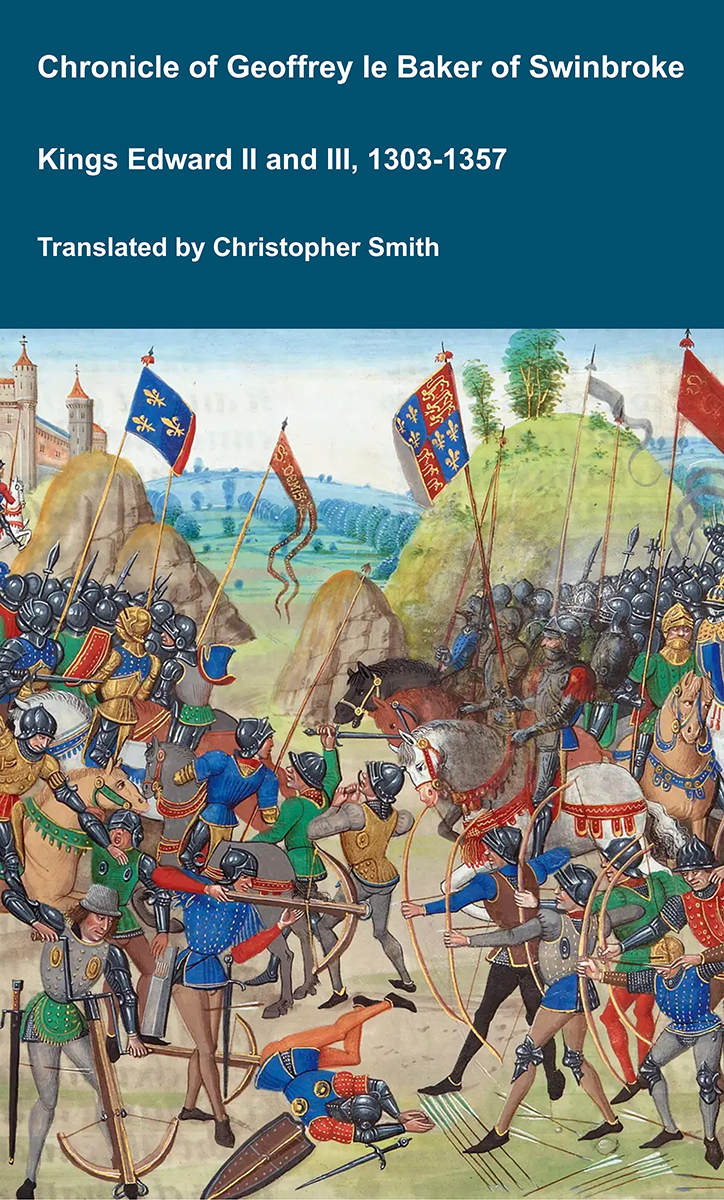 Geoffrey le Baker of Swinbroke,
 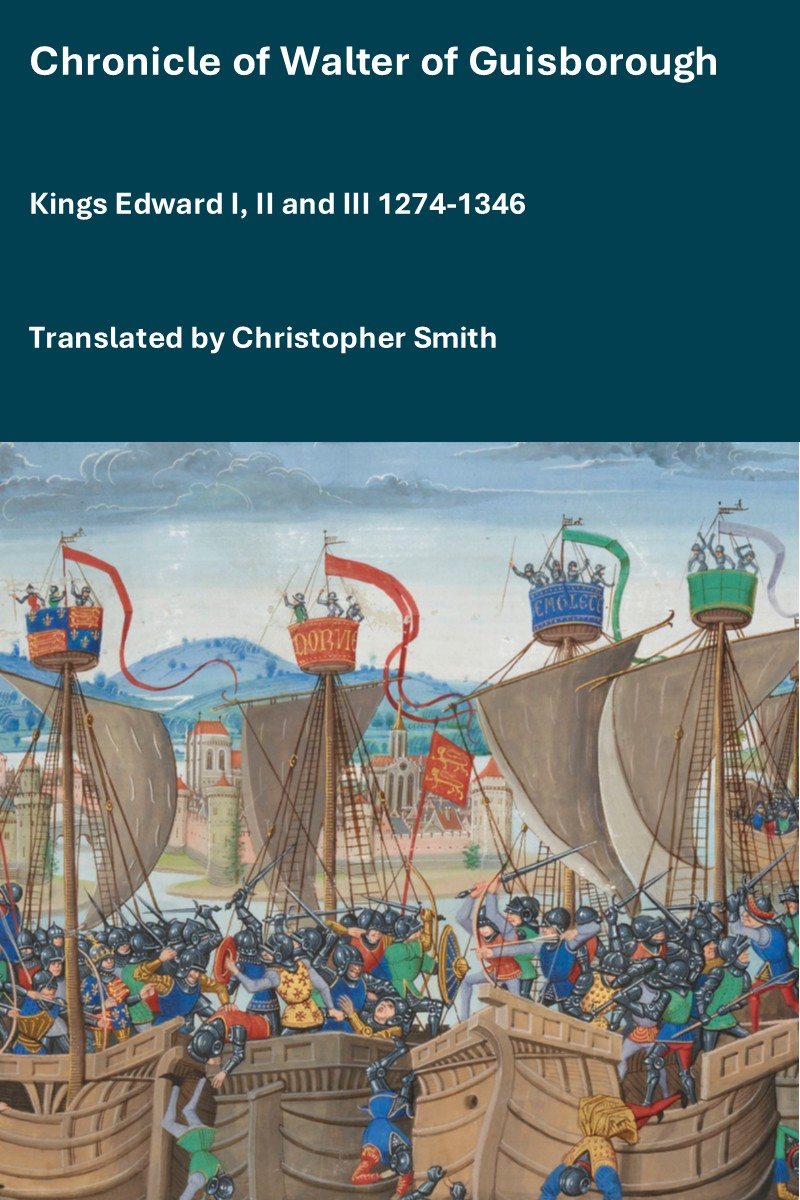 Walter of Guisborough, Knighton 2555,
 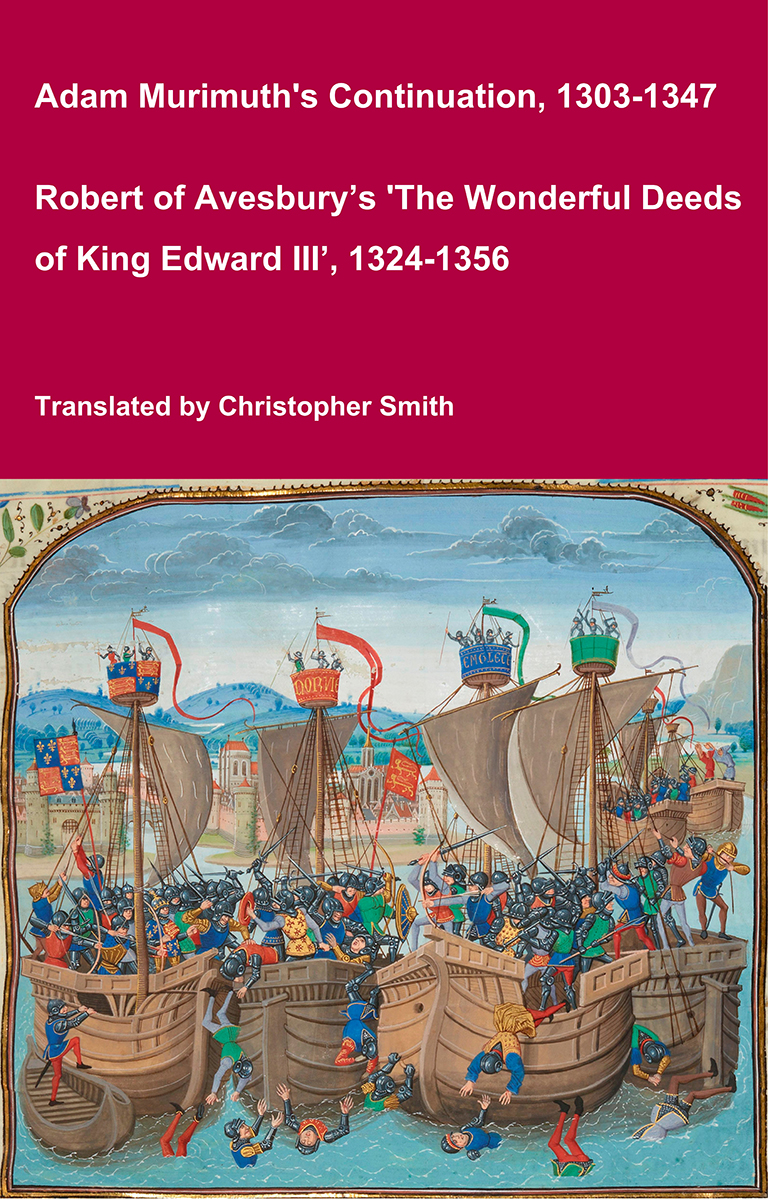 Murimuth and Parliament Rolls.
On 29th November 1330 Roger Mortimer 1st Earl March [aged 43] was hanged, drawn and quartered at Tyburn [Map] accused of assuming royal power and of various other high misdemeanours. His body hung at the gallows for two days and nights. He was buried at Christ Church, Greyfriars [Map]. Isabella of France Queen Consort England [aged 35] subsequently requested his burial at Wigmore Abbey [Map] and, after firstly refusing, King Edward III of England [aged 18] allowed his remains to be removed to Wigmore Abbey [Map]. Earl March, Baron Mortimer of Wigmore forfeit.
On 30th April 1341 John III Duke Brittany [aged 55] died at Caen [Map]. Earl Richmond suspended. The succession of the Duchy of Brittany was disputed between Joan "Lame" Capet Countess Penthièvre [aged 22] and John Montfort IV Duke Brittany [aged 46] leading to the War of the Breton Succession. His niece Joan succeeded Duchess Brittany 1221 Dreux. Charles of Blois Duke Brittany [aged 22] by marriage Duke Brittany 1221 Dreux. His half brother John succeeded IV Duke Brittany 1221 Dreux. Joanna of Flanders Duchess Brittany [aged 46] by marriage Duchess Brittany 1221 Dreux.
Around 8th September 1397 Thomas of Woodstock 1st Duke of Gloucester [aged 42] was murdered in Calais [Map] for his role as leader of the Lords Appellant. Duke Albemarle, Duke Gloucester, Earl Essex forfeit. His son Humphrey [aged 16] succeeded 2nd Earl Buckingham.
Walter Clopton was part of the inquiry into his death the outcome of which is not known. A John Hall was executed for the murder.
On 21st September 1397 Richard Fitzalan 9th Earl of Surrey 4th or 11th Earl of Arundel [aged 51] was tried at Westminster [Map].
He was beheaded at Tower Hill [Map] immediately thereafter. Earl Surrey and Earl Arundel forfeit.
On 29th July 1399 William Scrope 1st Earl Wiltshire [aged 49], Henry Green [aged 52] and John Bussy were beheaded at Bristol Castle, Gloucestershire [Map]. Earl Wiltshire forfeit.
On 7th January 1400 at Cirencester, Gloucestershire [Map] Ralph Lumley 1st Baron Lumley [aged 40] was beheaded by the townspeople following an unsuccessful attempt to seize the town. Baron Lumley forfeit.
Thomas Holland 1st Duke Surrey [aged 26] was beheaded. He had to forfeit the honours and estates he had gained after the arrests of Gloucester and Arundel: Duke Surrey extinct. He retained those he had received before: His brother Edmund [aged 16] succeeded 4th Earl Kent, 3rd Baron Holand, 8th Baron Wake of Liddell. He was buried, or re-buried, at his foundation Mount Grace Priory, North Yorkshire [Map].
John Montagu 3rd Earl Salisbury [aged 50] was captured, tried and beheaded. Earl Salisbury, Baron Montagu, Baron Montagu, Baron Monthermer forfeit.
Bernard Brocas [aged 46] was captured.
On 16th January 1400 John Holland 1st Duke Exeter [aged 48] was executed at Pleshey Castle [Map]. Duke Exeter, Earl Huntingdon forfeit. Joan Fitzalan Countess Essex, Hereford and Northampton [aged 53] arranged for the children of her dead brother Richard Fitzalan 9th Earl of Surrey 4th or 11th Earl of Arundel, who had been executed on the orders of John Holland 1st Duke Exeter three years before, to witness the execution.
Jean de Waurin's Chronicle of England Volume 6 Books 3-6: The Wars of the Roses
Jean de Waurin was a French Chronicler, from the Artois region, who was born around 1400, and died around 1474. Waurin’s Chronicle of England, Volume 6, covering the period 1450 to 1471, from which we have selected and translated Chapters relating to the Wars of the Roses, provides a vivid, original, contemporary description of key events some of which he witnessed first-hand, some of which he was told by the key people involved with whom Waurin had a personal relationship.
Available at Amazon in eBook and Paperback format.
Before 13th January 1400 Thomas Despencer 1st Earl Gloucester [aged 26] was attainted. Earl Gloucester, Baron Despencer, Baron Despencer, Baron Despencer forfeit. Some sources refer to this as 'degraded' although it isn't clear what the difference is?
On 19th February 1408 Thomas Rokeby's [aged 28] force of Yorkshire levies defeated the Percy army during the Battle of Bramham Moor bringing to an end the Percy rebellion.
Henry Percy 1st Earl of Northumberland [aged 66] was killed. His body was afterwards hanged, drawn and quartered, his head being sent to London bridge and his quarters to diverse places. Possibly captured hanged, drawn and quartered after the battle. Earl of Northumberland, Baron Percy of Alnwick and Baron Percy of Topcliffe forfeit.
Thomas Bardolf 5th Baron Bardolf [aged 38] was killed. Baron Bardolf of Wormegay in Norfolk had been forfeited in 1406 when Thomas Bardolf 5th Baron Bardolf was declared a traitor. It was restored on the 19th of July 1408 to his two daughters Anne Bardolf Baroness Cobham Sternborough [aged 18] and Joan Bardolf [aged 17] and their husbands William Clifford [aged 33] and William Phelip [aged 25] respectively.
The Abbot of Hailes Abbey [Map] was executed following the battle since he was wearing armour. Bishop Griffin Yonge [aged 38], Bishop of Bangor, was captured, but wearing his vestments, he avoided execution.


Before 1st May 1450, the day he was murdered, William "Jackanapes" de la Pole 1st Duke of Suffolk [aged 53] was impeached, and sentenced to the exiled. Duke Suffolk, Marquess Suffolk, Earl Pembroke forfeit.
On 1st May 1450 William "Jackanapes" de la Pole 1st Duke of Suffolk [aged 53] was beheaded at sea whilst travelling into exile his ship having been intercepted by the Nicholas of the Tower, or by Admiral Nicholas of the Tower. His son John [aged 7] succeeded 2nd Marquess Suffolk, 5th Earl Suffolk, 5th Baron Pole. Margaret Beaufort Countess Richmond [aged 6] by marriage Marchioness Suffolk. Earl Pembroke forfeit.


On 12th October 1459 the Battle of Ludford Bridge nearly took place at Ludlow [Map]. In the event a large number of the Calais garrison led by Andrew Trollope refused to fight against King Henry VI of England and II of France [aged 37] who was present.
The Yorkist Richard Plantagenet 3rd Duke of York [aged 48], the future King Edward IV of England [aged 17], Edmund York 1st Earl of Rutland [aged 16], Richard "Kingmaker" Neville Earl Warwick, 6th Earl Salisbury [aged 30], Richard Neville Earl Salisbury [aged 59] left overnight before the battle.
John Dynham 1st Baron Dynham [aged 26] and Thomas Parr [aged 52] were present.
The Lancastrian army included Humphrey Stafford 1st Duke of Buckingham [aged 57] and William Fitzalan 9th or 16th Earl of Arundel [aged 41].
Richard Grey 3rd Earl Tankerville [aged 22] was present on the Yorkist side for which he was subsequently attainted. Earl Tankerville forfeit.
On 29th March 1461 the Battle of Towton was a decisive victory for King Edward IV of England [aged 18] bringing to an end the first war of the Wars of the Roses. Said to be the bloodiest battle on English soil 28000 were killed mainly during the rout that followed the battle.
The Yorkist army was commanded by King Edward IV of England with John Mowbray 3rd Duke of Norfolk [aged 45], William Neville 1st Earl Kent [aged 56], William Hastings 1st Baron Hastings [aged 30] (knighted), Walter Blount 1st Baron Mountjoy [aged 45], Henry Bourchier 2nd Count of Eu 1st Earl Essex [aged 57], John Scrope 5th Baron Scrope of Bolton [aged 23] and John Wenlock 1st Baron Wenlock [aged 61].
The Lancastrian army suffered significant casualties including Richard Percy [aged 35], Ralph Bigod Lord Morley [aged 50], John Bigod [aged 28], Robert Cromwell [aged 71], Ralph Eure [aged 49], John Neville 1st Baron Neville of Raby [aged 51], John Beaumont [aged 33], Thomas Dethick [aged 61], Everard Simon Digby, William Plumpton [aged 25] and William Welles [aged 51] who were killed.
Henry Percy 3rd Earl of Northumberland [aged 39] was killed. Earl of Northumberland, Baron Percy of Alnwick, Baron Percy of Topcliffe forfeit.
Ralph Dacre 1st Baron Dacre Gilsland [aged 49] was killed. He was buried at the nearby Saxton church where his chest tomb is extant. Baron Dacre Gilsland extinct.
Lionel Welles 6th Baron Welles [aged 55] was killed. His son Richard [aged 33] succeeded 7th Baron Welles.
The Lancastrian army was commanded by Henry Beaufort 2nd or 3rd Duke of Somerset [aged 25], Henry Holland 3rd Duke Exeter [aged 30], Henry Percy 3rd Earl of Northumberland and Andrew Trollope.
Henry Holland 3rd Duke Exeter was attainted after the battle; Duke Exeter, Earl Huntingdon forfeit.
Those who fought for the Lancaster included William Tailboys 7th Baron Kyme [aged 46], William Plumpton, John Sutton 1st Baron Dudley [aged 60], William Norreys [aged 20], Thomas Grey 1st Baron Grey of Richemont [aged 43], Robert Hungerford 3rd Baron Hungerford 1st Baron Moleyns [aged 30], John Talbot 3rd Earl of Shrewsbury [aged 12], Richard Welles 7th Baron Welles, Baron Willoughby, Richard Woodville 1st Earl Rivers [aged 56], James Butler 1st Earl Wiltshire 5th Earl Ormonde [aged 40], John Butler 6th Earl Ormonde [aged 39], William Beaumont 2nd Viscount Beaumont [aged 22], Henry Roos and Thomas Tresham [aged 41]. Cardinal John Morton [aged 41] were captured.
John Heron of Ford Castle Northumberland [aged 45], Robert Dethick [aged 86], Andrew Trollope and his son David Trollope were killed.
Become a Member via our Buy Me a Coffee page to read more.
On 3rd April 1461 Thomas Courtenay 6th or 14th Earl Devon [aged 29] was beheaded at York [Map] following his capture at the Battle of Towton. he was attainted; Earl Devon, Baron Courtenay, Baron Okehampton forfeit.
On 1st May 1461 James Butler 1st Earl Wiltshire 5th Earl Ormonde [aged 40] was beheaded at Newcastle upon Tyne, Northumberland [Map] having been captured at, or after, the Battle of Towton. His brother John [aged 39] succeeded 6th Earl Ormonde. Earl Wiltshire forfeit.
On 4th November 1461 Henry Beaufort 2nd or 3rd Duke of Somerset [aged 25] was attainted. Duke Somerset, Marquess Dorset, Earl Somerset, Earl Dorset forfeit.
On 15th May 1464 a Yorkist army commanded by John Neville 1st Marquess Montagu [aged 33] defeated a Lancastrian army commanded by Henry Beaufort 2nd or 3rd Duke of Somerset [aged 28] at Hexham, Northumberland [Map] during the Battle of Hexham.
Those fighting for York included John Stafford 1st Earl Wiltshire [aged 36], John Scrope 5th Baron Scrope of Bolton [aged 26] and Richard Welles 7th Baron Welles, Baron Willoughby [aged 36].
Henry Beaufort 2nd or 3rd Duke of Somerset was beheaded following the battle. The general pardon which he has previously received was annulled. Duke Somerset, Marquess Dorset, Earl Somerset and Earl Dorset forfeit for the second time. His son Edmund Beaufort [aged 25] was styled by supporters of the House of Lancaster as Duke of Somerset but had not right to do so.
Philip Wentworth [aged 40] was executed at Middleham [Map].
On 17th August 1469 Humphrey Stafford 1st Earl Devon [aged 30], having escaped after the Battle of Edgecote Moor, was captured and executed by a mob at Bridgwater, Somerset [Map]. He was buried at Glastonbury Abbey [Map]. Earl Devon, Baron Stafford of Southwick forfeit.
On 14th April 1471 Edward IV [aged 28] commanded at the Battle of Barnet supported by his brothers George [aged 21] and Richard [aged 18], John Babington [aged 48], Wiliam Hastings [aged 40] (commanded), Ralph Hastings, William Norreys [aged 30], William Parr [aged 37], John Savage [aged 49], William Bourchier Viscount Bourchier [aged 41], Thomas St Leger [aged 31], John Tuchet 6th Baron Audley, 3rd Baron Tuchet [aged 45], Thomas Burgh 1st Baron Burgh of Gainsborough [aged 40], John Scott [aged 48] and Thomas Strickland.
The Yorkists William Blount [aged 29], Humphrey Bourchier [aged 36], Henry Stafford [aged 46] and Thomas Parr were killed.
Humphrey Bourchier 1st Baron Cromwell [aged 40], was killed. Baron Cromwell extinct.
The Lancastrians...
Warwick the Kingmaker [aged 42] was killed. Earl Salisbury, Baron Montagu, Baron Montagu and Baron Monthermer forfeit on the assumption he was attainted either before or after his death; the date of his attainder is unknown. If not attainted the titles may have been abeyant between his two daughters Isabel Neville Duchess Clarence [aged 19] and Anne Neville Queen Consort England [aged 14].
John Neville 1st Marquess Montagu [aged 40] was killed. Marquess Montagu, Baron Montagu forfeit; unclear as to when he was attainted. He was buried at Bisham Abbey [Map].
William Tyrrell was killed.
William Fiennes 2nd Baron Saye and Sele [aged 43] was killed. His son Henry [aged 25] succeeded 3rd Baron Saye and Sele. Anne Harcourt Baroness Saye and Sele by marriage Baroness Saye and Sele.
Henry Holland 3rd Duke Exeter [aged 40] commanded the left flank, was badly wounded and left for dead, Henry Stafford and John Paston [aged 27] were wounded, John de Vere 13th Earl of Oxford [aged 28] commanded, and John Paston [aged 29] and William Beaumont 2nd Viscount Beaumont [aged 33] fought.
Robert Harleston [aged 36] was killed.
Thomas Hen Salusbury [aged 62] was killed.
Thomas Tresham [aged 51] escaped but was subsequently captured and executed on the 6th of May 1471.
Become a Member via our Buy Me a Coffee page to read more.
On 4th May 1471 King Edward IV of England [aged 29] was victorious at the 4th May 1471 Battle of Tewkesbury. His brother Richard [aged 18], Richard Beauchamp 2nd Baron Beauchamp Powick [aged 36], John Howard 1st Duke of Norfolk [aged 46], George Neville 4th and 2nd Baron Abergavenny [aged 31], John Savage [aged 49], John Savage [aged 27], Thomas St Leger [aged 31], John Tuchet 6th Baron Audley, 3rd Baron Tuchet [aged 45], Thomas Burgh 1st Baron Burgh of Gainsborough [aged 40] fought. William Brandon [aged 46], George Browne [aged 31], Ralph Hastings, Richard Hastings Baron Willoughby [aged 38], James Tyrrell [aged 16], Roger Kynaston of Myddle and Hordley [aged 38] were knighted. William Hastings 1st Baron Hastings [aged 40] commanded.
Margaret of Anjou [aged 41] was captured. Her son Edward of Westminster Prince of Wales [aged 17] was killed. He was the last of the Lancastrian line excluding the illegitmate Charles Somerset 1st Earl of Worcester [aged 11] whose line continues to the present.
John Courtenay 7th or 15th Earl Devon [aged 36] was killed and attainted. Earl Devon forfeit. Some sources refer to these titles as being abeyant?
John Wenlock 1st Baron Wenlock [aged 71] was killed. Baron Wenlock extinct.
John Delves [aged 49], John Beaufort [aged 30], William Vaux of Harrowden [aged 35] and Robert Whittingham [aged 42] were killed.
Edmund Beaufort [aged 32], Humphrey Tuchet [aged 37] and Hugh Courtenay [aged 44] were captured.
Henry Roos fought and escaped to Tewkesbury Abbey [Map] where he sought sanctuary. He was subsequently pardoned.
William Carey [aged 34] was killed.
Act of Attainder against George, Duke of Clarence
The original act doesn't contain a date. Parliament opened on 16th January 1478. On 7th February 1478 Henry Stafford 2nd Duke of Buckingham [aged 23] was appointed [Patent Rolls] Steward of England for the purpose of effecting the exection. George York 1st Duke of Clarence [aged 28] was attainted by Parliament. Duke Clarence. Earl Salisbury forfeit.
The Kyng [aged 35], oure Sovereigne Lorde, hath called to his Remembraunce the manyfold grete Conspiracies, malicious and heynous Tresons, that hertofore hath be compassed by dyverse persones his unnaturall Subgetts, Rebelles and Traytoures, wherby Commocions and Insurrections have been made within this his Royaulme, for entent and purpose to have destroyed his moost Roiall persone, and with that to have subverted the state, wele publique and politic of all his said Royaulme; ne had so been, that by th'elp of Almyghty God, with the grete laboures and diligences and uttermost explette of his persone by Chevalrye and Werr, he had mightly and graciously repressed the same. Wherthrogh grete nowmbre of the said his Rebelles and Traytours he hath at dyverse tymes punysshed, as well by swerd as other punysshments, in exemple to others to have been ware of suche attempting hereafter. And yet as a benigne and a gracious Prince moeved unto pitie, after his grete Victories sent hym by God, not oonly he hath spared the multitudes in theire feldes and assembles overcomen, but thaym and certeyn other, the grete movers, sturters and executours of suche haynous Tresons, at the reverence of God, he hath taken to his mercy and clerly pardoned, as may not be unknowen to all the Worlde.
This notwithstondyng, it is comen nowe of late to his knowlage, howe that agaynst his mooste Royall persone, and agaynst the persones of the blessed Princesse oure alther soveraigne and Liege Lady the Quene, of my Lorde the Prince theire son and Heire, and of all the other of thaire moost noble issue, and also against the grete parte of the Noble of this Lande, the good rule, politike and wele publique of the same, hath been conspired, compassed and purposed a moch higher, moch more malicious, more unnaturall and lothely Treason than atte eny tyme hertoforn hath been compassed, purposed and conspired, from the Kyng's first Reigne hiderto; which Treason is, and must be called, so moche and more henyous, unnaturell and lothely, for that not oonly it hath proceded of the moost extreme purpensed malice, incomparably excedyng eny other that hath been aforn, but also for that it hath been contryved, imagined and conspired, by the persone that of all erthely creatures, beside the dutie of ligeaunce, by nature, by benefette, by gratitude, and by yeftes and grauntes of Goodes and Possessions, hath been moost bounden and behalden to have dradde, loved, honoured, and evere thanked the kyng more largely, than evere was eny other bounden or beholden, whom to name it gretely aggruggeth the hert of oure said Sovereigne Lorde, sauf oonly that he is of necessite compelled, for the suertie, wele and tranquillite of hym and all this Royaulme, which were full neer the poynt of perdicion, ne were the help and grace of Almyghty God:
He sheweth you therefore, that all this hath been entended by his Brother, George, the Duke of Clarence. Wherein it is to be remembered that the Kynges Highnesse, of tendre youthe unto now of late, hath evere loved and cherysshed hym, as tenderly and as kynderly, as eny creature myght his naturell Brother, as well it may be declared, by that he beyng right yonge, not borne to have eny lifelode, butt oonly of the Kynges grace he yave hym soo large porcion of Possessions that noo memorie is of, or seldom hath been seen, that eny Kyng of Englande hertoforn within his Royaulme yave soo largely to eny his Brothers. And not oonly that, butt above that, he furnyssed hym plenteously of all manere stuff, that to a right grete Prynce myght well suffice; so that aftre the Kynges, his lifelode and richesse notably exceded any other within his Lande at thatt tyme.
And yet the kyng, not herewith content, butt beyng ryght desirous to make hym of myght and puissance excedyng others, caused the greate parte of all the Nobles of this Lande to be assured unto hym next his Highnesse; trustyng that not oonly by the bond of nature, butt also by the bondes of soo grete benefitt, he shulde be more than others loving, helping, assisting and obeissaunt to all the Kyngs good pleasures and commaundments, and to all that myght be to the politik wele of his Lande.
All this notwithstondyng, it is to remember, the large grace and foryevnesse that he yave hym uppon, and for that at dyverse tyme sith he gretely offended the Kyng, as in jupartyng the Kyngs Royall estate, persone and life, in straite warde, puttyng hym thereby from all his libertie, aftre procuryng grete Commocions, and sith the voydaunce oute of his Royaulme, assistyng yevyng to his enemies mortall, the usurpers, laboryng also by Parlement to exclude hym and all his from the Regalie, and enabling hymself to the same, and by dyverse weyes otherwyse attemptyng; which all the Kyng, by nature and love moeved, utterly foryave, entendyng to have putte all in perpetuell oblivion.
The said Duke, nathelesse for all this, noo love encreasyng, but growyng daily in more and more malice, hath not left to consedre and conspire newe Treasons, more haynous and lothely than ever aforn, how that the said Duke falsly and traitrously entended, and puposed fermely, th'extreme distruction and disherityng of the Kyng and his Issue, and to subverte all the polityk rule of this Royaulme, by myght to be goten as well outewarde as inward, which false purpose the rather to brynge aboute, he cast and compassed the moyans to enduce the Kynges naturell Subgetts to withdrawe theire herts, loves and affections from the Kyng, theire naturell Sovereigne Lorde, by many subtill, contryved weyes, as in causyng dyverse his Servauntes, suche as he coude imagyne moste apte to sowe sedicion and aggrugge amonge the People, to goo into diverse parties of this Royaulme, and to laboure to enforme the People largely in every place where they shulde come, that Thomas Burdett, his Servaunte, which was lawefully and truly atteynted of Treason, was wrongefully putte to Deth; to some his Servauntes of suche like disposicion, he yave large Money, Veneson, therewith to assemble the Kynges Subgects to Feste theym and chere theym, and by theire policies and resonyng, enduce hem to beleve that the said Burdett was wrongfully executed, and so to putte it in noyse and herts of the People; he saide and laboured also to be noysed by such his Servauntez apte for that werk, that the Kyng, oure Sovereigne Lorde, wroght by Nygromancye, and used Crafte to poyson his Subgettes, suche as hym pleased; to th'entent to desclaundre the Kyng in the moost haynous wyse he couth in the sight and conceipt of his Subgetts, and thefore to encorage theym to hate, despice and aggrugge theire herts agaynst hym, thynkyng that he ne lived ne dealid with his Subgettes as a Christien Prynce.
And overe this, the said duke beyng in full purpose to exalte hymself and his Heires to the Regallye and Corone of Englande, and clerely in opinion to putte aside from the same for ever the said Corone from the Kyng and his Heirez, uppon oon the falsest and moost unnaturall coloured pretense that man myght imagine, falsely and untruely noysed, published and saide, that the Kyng oure Sovereigne Lorde was a Bastard, and not begottone to reigne uppon us; and to contynue and procede ferther in this his moost malicious and traytorous purpose, after this lothely, false and sedicious langage shewed and declared amonge the People, he enduced dyverse of the Kynges naturall Subgetts to be sworne uppon the blessed Sacrament to be true to hym and his heires, noon exception reserved of theire liegeaunce; and after the same Othe soo made, he shewed to many other, and to certayn persones, that suche Othe had made, that the Kyng had taken his lifelode from hym and his men, and disheryed theym, and he wolde utterly endevoire hym to gete hem theire enheritaunce as he wolde doo for his owen.
He shewed also that the Kyng entended to consume hym in like wyse as a Candell consumeth in brennyng, wherof he wolde in brief tyme quyte hym. And overe this, the said Duke continuyng ín his false purpose, opteyned and gate an exemplificacion undre the Grete Seall of Herry the Sexte, late in dede and not in right Kyng of this Lande, wherin were conteyned alle suche appoyntements as late was made betwene the said Duke and Margaret, callyng herself Quene of this Lande, and other; amonges whiche it was conteyned, that if the said Herry, and Edward, his first begoton Son, died withoute Issue Male of theire Bodye, that the seid Duke and his Heires shulde be Kyng of this Lande; which exemplificacion the said Duke hath kepyd with hymself secrete, not doyng the Kyng to have eny knowlegge therof, therby to have abused the Kynges true Subgetts for the rather execucion of his said false purpose.
And also, the same Duke purposyng to accomplisse his said false and untrue entent, and to inquiete and trouble the Kynge, oure said Sovereigne Lorde, his Leige People and this his Royaulme, nowe of late willed and desired the Abbot of Tweybury, Mayster John Tapton, Clerk, and Roger Harewell Esquier, to cause a straunge childe to have be brought into his Castell of Warwyk, and there to have beputte and kept in likelinesse of his Sonne and Heire, and that they shulde have conveyed and sent his said Sonne and Heire into Ireland, or into Flaundres, oute of this Lande, whereby he myght have goten hym assistaunce and favoure agaynst oure said Sovereigne Lorde; and for the execucion of the same, sent oon John Taylour, his Servaunte, to have had delyveraunce of his said Sonne and Heire, for to have conveyed hym; the whiche Mayster John Tapton and Roger Harewell denyed the delyveraunce of the said Childe, and soo by Goddes grace his said false and untrue entent was lette and undoon.
The Kyng, remembryng over, that to side the neernesse of Blode, howe be nature he myght be kynde to his Brother; the tendre love also, whiche of youthe he bare unto hym, couthe have founden in his hert, uppon due submission, to have yet foryeven hym estsones, ne were, furst that his said Brother by his former dedes, and nowe by this conspiracye, sheweth hymself to be incorrigible, and in noo wyse reducible to that by bonde of nature, and of the grete benefices aforn reherced, he were moost soveraynly beholden of all Creature: Secondly, ne were the grete juparty of effusion of Christien blode, which most likkely shulde therof ensue: And thridenly and principally, the bond of his Conscience, wherby and by solempne Othe, he is bounden anenst God, uppon the peryll of everlastyng dampnacion, to provyde and defende, first the suertie of hymself and his moste Royall Issue, secondly, the tranquilite of Goddes Churche within this, his Royaulme, and after that, the wele publique, peas and tranquilite of all his Lordez, Noblemen, Comens and others of every degree and condicion, whiche all shulde necessarily stande in extreme jupartie, yf Justice and due punyshement of soo lothely offencez shulde be pardoned; in pernicious example to all mysdoers, theves, traytours, rebelles and all other suche as lightly wolde therby bee encoraged and enbolded to spare noo manner of wikkednesse.
Wherfore thof all [sic]11 the Kynges Highnesse be right sory to determyne hymself to the contrarie, yet consideryng that Justice is a vertue excellently pleasyng Almyghty God, wherby Reaulmes stande, Kynges and Pryncez reign and governe, all goode rule, polyce and publique wele is mayteigned; and that this vertue standeth not oonly in retribucion and rewarde for goode dedes, butt also in correccion and punysshement of evil doers, after the qualitees of theire mysdoyngs. For whiche premissez and causez the Kyng, by the avyse and assent of his Lordes Speretuell and Temporell, and by the Commons, in this present parliament assembled, and by the auctorite of the same, ordeyneth, enacteth and establith that the said George, Duke of Clarence, be convicte and atteyntit of Heigh Treason commyttet and doon agaynst the Kynges moost Royall persone; and that the same Duke, by the said auctorite, forfett from hym and his heyres for ever the Honoure, Estate, Dignite and name of Duke1. And also that the same Duke, by the said auctorite, forfett from hym and his heyres for ever, all Castelles, Honoures, Maners, Landes, Tenements, Rents, Advousons, Hereditaments and Possessions that the same Duke nowe hath by eny of the Kynges Lettrez Patents to his owen use, or that any other persone nowe hath to the use of the same Duke by eny of the Kynges Letterez Patents, or that passed to hym fro the Kyng by the same: And that all Lettrez Patents made by the kyng to the said Duke bee from henseforthe utterly voyde and of noon effecte.
And that it be also ordeigned by the same auctorite that noo Castelles, Honoures, Maners, Landez, Tenementz, Rents, Advousons, Hereditaments or Possessions that the same duke nowe hath joyntly with other, or sole to hymself, to the use of eny other persone, be forfett, nor conteyned by or in this present Acte; but that by the said auctoritee, every other persone to whose use the said Duke is sole seised in eny Castelles, Honoures, Maners, Landez, Tenements, Rents, Advousons, Hereditaments and Possessions, otherwyse than by the Kyngs Lettres Patents, have power and auctorite by this present Acte lawefully to entre into theym, and theym to have and holde after the entent and trust that the said Duke nowe hath theryn. And also where the same Duke is joyntly seased with any other persone in any Castells, Maners, Landez, Tenementz, Rents, Hereditaments or Possessions to the use of eny other persone, otherwyse than by the Kyngs Lettrez Patents: that by the said auctorite, the said joynt feffez stonde and be feoffez to the same use and entent as they nowe arre and be; and that suche right, interest and title as the same Duke nowe hath with theym in the same premyssez, by the said auctorite, be in his cofeffez to the same entent as the same Duke nowe ys: Savyng to every of the Kynges Liege people, other than the said Duke and his Heyrez, and all other persone and persones that clayme or have eny tytell of interest in eny of the premyssez by the same Duke, suche right, tytle and interest as they owe or shulde have in eny of the premyssez, as if this Acte had never been made.
A cest Bille les Comunez sont assentuz.
Le Roy le voet.
Note 1. It is interesting that he forfeits the title of Duke rather than the usual attainted in the blood which may have debarred his children from inheriting the crown.
Become a Member via our Buy Me a Coffee page to read more.
On 6th July 1483 King Richard III of England [aged 30] and his wife Anne Neville [aged 27] at Westminster Abbey [Map]. Duke Gloucester, Earl Richmond forfeit merged with the Crown. Cardinal Thomas Bourchier [aged 65] officiated. Anne Neville Queen Consort England by marriage Queen Consort England.
John Howard 1st Duke of Norfolk [aged 58] was appointed Lord High Steward. William Brandon [aged 58], Thomas Fitzalan 10th or 17th Earl of Arundel [aged 33], Thomas St Leger [aged 43], Richard Hastings Baron Willoughby [aged 50], Elizabeth Woodville Queen Consort England [aged 46], Elizabeth York Duchess Suffolk [aged 39], Giles Daubeney 1st Baron Daubeney [aged 32] and Humphrey Dacre 1st Baron Dacre Gilsland [aged 59] attended.
Robert Dymoke [aged 22] attended as the Kings' Champion.
Edmund Grey 1st Earl Kent [aged 66] carried The Pointed Sword of Justice. Thomas Howard 2nd Duke of Norfolk [aged 40] carried the Crown. Francis Lovell 1st Viscount Lovell [aged 27] carried the Third Sword of State. John de la Pole 2nd Duke of Suffolk [aged 40] carried the Sceptre. John de la Pole Earl Lincoln 1st [aged 21] carried the Cross and Ball. Henry Stafford 2nd Duke of Buckingham [aged 28] carried the king's train. Edward Stafford 2nd Earl Wiltshire [aged 13] bore the Queen's Crown.
Thomas Stanley 1st Earl of Derby [aged 48] carried the Lord High Constable's Mace. Margaret Beaufort Countess Richmond [aged 40] held Queen Anne's train. Henry Percy 4th Earl of Northumberland [aged 34] carried The Blunt Sword of Mercy. Christopher Willoughby 10th Baron Willoughby [aged 30] was appointed Knight of the Bath.
Humphrey Dacre 1st Baron Dacre Gilsland attended.
Cecily "Rose of Raby" Neville Duchess York [aged 68] refused to attend the Coronation of King Richard III. History doesn't record her reason.
Become a Member via our Buy Me a Coffee page to read more.
On 22nd August 1485 King Richard III of England [aged 32] was killed during the Battle of Bosworth. His second cousin once removed Henry Tudor [aged 28] succeeded VII King of England.
Humphrey Cotes [aged 35] died. It isn't clear on which side he was fighting.
Those supporting Henry Tudor included:
John Blount 3rd Baron Mountjoy [aged 35].
John Cheney 1st Baron Cheyne [aged 43].
Richard Guildford [aged 35].
Walter Hungerford [aged 21].
Thomas Stanley 1st Earl of Derby [aged 50].
Edward Woodville Lord Scales [aged 29].
Edward Courtenay 1st Earl Devon [aged 26].
Rhys ap Thomas Deheubarth [aged 36].
Jasper Tudor 1st Duke Bedford [aged 53].
William Beaumont 2nd Viscount Beaumont [aged 47].
Giles Daubeney 1st Baron Daubeney [aged 34].
William Stanley [aged 50].
Roger Kynaston of Myddle and Hordley [aged 52].
Henry Marney 1st Baron Marney [aged 38].
William Brandon [aged 29] was killed.
James Harrington [aged 55] was killed.
John Howard 1st Duke of Norfolk [aged 60] was killed and attainted. He was buried firstly at Thetford Priory, Norfolk [Map] and therafter at Church of St Michael the Archangel, Framlingham [Map]. Duke Norfolk, Baron Mowbray, Baron Segrave, Baron Howard forfeit.
John Sacheverell [aged 85] was killed.
Philibert Chandee 1st Earl Bath
William Norreys [aged 44], Gilbert Talbot [aged 33], John de Vere 13th Earl of Oxford [aged 42] and John Savage [aged 41] commanded,.
Robert Poyntz [aged 35] was knighted.
Those who fought for Richard III included:
John Bourchier 6th Baron Ferrers of Groby [aged 47].
John Conyers [aged 74].
Thomas Dacre 2nd Baron Dacre Gilsland [aged 17].
William Berkeley 1st Marquess Berkeley [aged 59].
Richard Fitzhugh 6th Baron Fitzhugh [aged 28].
John Scrope 5th Baron Scrope of Bolton [aged 48].
Thomas Scrope 6th Baron Scrope of Masham [aged 26].
Henry Grey 4th or 7th Baron Grey of Codnor [aged 50].
Edmund Grey 1st Earl Kent [aged 68].
Ralph Neville 3rd Earl of Westmoreland [aged 29].
John de la Pole Earl Lincoln 1st [aged 23].
Humphrey Stafford [aged 59].
George Talbot 4th Earl of Shrewsbury [aged 17].
Thomas Howard 2nd Duke of Norfolk [aged 42] was wounded, captured and imprisoned in the Tower of London [Map] for three years. He was attainted; Earl Surrey forfeit.
Francis Lovell 1st Viscount Lovell [aged 29] fought and escaped.
John Zouche 7th Baron Zouche Harringworth [aged 26] was captured.
John Babington [aged 62], William Alington [aged 65], Robert Mortimer [aged 43], Robert Brackenbury, Richard Ratclyffe [aged 55] and Richard Bagot [aged 73] were killed
Walter Devereux Baron Ferrers of Chartley [aged 53] was killed.
William Catesby [aged 35] was executed at Leicester, Leicestershire [Map] after the battle.
George Stanley 9th Baron Strange Knockin 5th Baron Mohun Dunster [aged 25] held as a hostage by Richard III before the Battle of Bosworth.
Henry Percy 4th Earl of Northumberland [aged 36] betrayed King Richard III of England by not committing his forces at the Battle of Bosworth.
John Iwardby [aged 35] was killed.


Become a Member via our Buy Me a Coffee page to read more.
On 28th November 1499 Edward "Last Plantagenet" York 17th Earl Warwick [aged 24] was executed at Tower Hill [Map]. Earl Warwick, Baron Montagu, Baron Montagu, Baron Monthermer forfeit.
Documentation held in Spain apparently describes Catherine of Aragon's [aged 13] parents Ferdinand II King Aragon [aged 47] and Isabella Queen Castile [aged 48] expressing concern that Edward "Last Plantagenet" York 17th Earl Warwick was a potential claimant to throne, and being reluctant for their daughter to marry Arthur Prince of Wales [aged 13] whilst there was a threat to his accession causing King Henry VII of England and Ireland [aged 42] to use Perkin Warbreck's [deceased] attempted escape with Edward "Last Plantagenet" York 17th Earl Warwick as a means to an end.




Around 27th May 1509 Edward Courtenay 1st Earl Devon [aged 50] died. Earl Devon forfeit since his son William Courtenay 1st Earl Devon [aged 34], who would otherwise have succeeded to the titles, had been attainted in 1504.
On 30th April 1513 Edmund Pole 3rd Duke of Suffolk [aged 42] was beheaded at Tower Hill [Map] on the instruction of King Henry VIII after having been imprisoned for seven years. Duke Suffolk, Marquess Suffolk and Earl Suffolk, Baron Pole forfeit.
He, Edmund, was the son of Elizabeth York Duchess Suffolk, sister of Kings Edward IV and Richard III, and George, Duke of Clarence. He, arguably, had a better claim to the throne of England than King Henry VII if King Edward IV's children were illegitimate, and George's children barred from the succession as a consequence of George'a attainder although Anne St Leger's [aged 37] claim better since she descended from an older sister Anne.
He, Edmund, had been given to King Henry VII of England and Ireland as part of the treaty of Malus Intercursus aka Evil Treaty with the condition that he not be executed. King Henry VII in his will instructed his son King Henry VIII to have him executed; an act which attracted the criticism of Montaigne in Chapter 7 of his Essays.
On 17th May 1521 Edward Stafford 3rd Duke of Buckingham [aged 43] was beheaded at Tower Hill [Map]. Duke of Buckingham, Earl Stafford and Baron Stafford forfeit.
He was executed for no specific reason other than his having a significant amount of Plantagenet blood and was, therefore, considered a threat by Henry VIII [aged 29]. He was posthumously attainted by Act of Parliament on 31 July 1523, disinheriting his children. He was buried at St Peter's Church, Britford [Map].


On 2nd June 1537 Henry Percy 6th Earl of Northumberland [aged 35] died. Richard Layton visited him on 29 June 1537 and says that he found him "languens in extremis, sight and speech failed, his stomach swollen so great as I never see none, and his whole body as yellow as saffron." Earl of Northumberland, Baron Percy of Alnwick, Baron Percy of Topcliffe, Baron Poynings forfeit. His brother Thomas Percy [aged 33] should have succeeded but he had been attainted.
On 9th December 1538 at Tower Hill [Map]:
Edward Neville [aged 67] was beheaded
Henry Courtenay 1st Marquess Exeter [aged 42] was beheaded with a sword. Marquess Exeter, Earl Devon, Earl Devon, Baron Okehampton forfeit as a consequence of his attainder.
Henry Pole 1st Baron Montagu [aged 46] was beheaded

On 12th May 1539 Margaret Pole Countess Salsbury [aged 65] was attainted. Earl Salisbury, Baron Montagu, Baron Montagu, Baron Monthermer forfeit.

On 28th July 1540 Thomas Cromwell [aged 55] was beheaded at Tower Hill [Map]. Earl Essex, Baron Cromwell of Wimbledon in Surrey forfeit. He was buried at St Peter ad Vincula Church, Tower of London [Map].
On 22nd January 1552 Edward Seymour 1st Duke of Somerset [aged 52] was beheaded at Tower Hill [Map]. He was buried at St Peter ad Vincula Church, Tower of London [Map]. Duke Somerset, Earl Hertford, Viscount Beauchamp forfeit. His great-grandson William Seymour 2nd Duke of Somerset was restored to the titles in 1660.
In August 1553 John Dudley 2nd Earl Warwick [aged 26] was attainted. Earl Warwick forfeit. However, his brother Ambrose Dudley 3rd Earl Warwick [aged 23] was restored to the Earldom in 1561.
On 23rd February 1554 Henry Grey 1st Duke of Suffolk [aged 37] was beheaded at Tower Hill [Map]. Duke Suffolk, Marquess Dorset, Earl Huntingdon, Baron Ferrers of Groby, Baron Harington, Baron Bonville forfeit.
Dean Hugh Weston [aged 49] acted as Confessor.
In 1562 Edward Seymour 1st Earl Hertford [aged 22] was disinherited. Earl Hertford, Baron Beauchamp of Hatch Beauchamp in Somerset forfeit.
William of Worcester's Chronicle of England
William of Worcester, born around 1415, and died around 1482 was secretary to John Fastolf, the renowned soldier of the Hundred Years War, during which time he collected documents, letters, and wrote a record of events. Following their return to England in 1440 William was witness to major events. Twice in his chronicle he uses the first person: 1. when writing about the murder of Thomas, 7th Baron Scales, in 1460, he writes '… and I saw him lying naked in the cemetery near the porch of the church of St. Mary Overie in Southwark …' and 2. describing King Edward IV's entry into London in 1461 he writes '… proclaimed that all the people themselves were to recognize and acknowledge Edward as king. I was present and heard this, and immediately went down with them into the city'. William’s Chronicle is rich in detail. It is the source of much information about the Wars of the Roses, including the term 'Diabolical Marriage' to describe the marriage of Queen Elizabeth Woodville’s brother John’s marriage to Katherine, Dowager Duchess of Norfolk, he aged twenty, she sixty-five or more, and the story about a paper crown being placed in mockery on the severed head of Richard, 3rd Duke of York.
Available at Amazon in eBook and Paperback format.
In 1571 Charles Neville 6th Earl of Westmoreland [aged 28] was attainted. Earl of Westmoreland forfeit.

On 2nd June 1572 Thomas Howard 4th Duke of Norfolk [aged 36] was executed for his involvement in the Ridolphi Plot. He was buried at St Peter ad Vincula Church, Tower of London [Map]. Duke Norfolk, Earl Surrey, Baron Mowbray, Baron Segrave forfeit.
On 14th April 1589 Philip Howard 13th or 20th Earl of Arundel [aged 31] was condemned to death and attainted. Earl Arundel, Baron Arundel forfeit. Elizabeth I never signed the death warrant; Howard was never told. Henry Stanley 4th Earl of Derby [aged 57] was present. Christopher Wray [aged 65] was one of the judges.
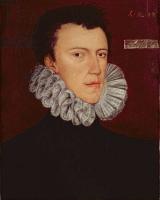


On 19th October 1595 Philip Howard 13th or 20th Earl of Arundel [aged 38] died of dysentery at Tower of London [Map]. He was buried at St Peter ad Vincula Church, Tower of London [Map], reburied at Arundel Cathedral, Sussex [Map] and then reburied in the Fitzalan Chapel, Arundel Castle [Map]. Earl Arundel, Baron Maltravers, Baron Arundel forfeit.
He had been imprisoned for ten years and had never seen his son and heir Thomas Howard 14th or 21st Earl of Arundel 4th Earl of Surrey 1st Earl Norfolk [aged 10] who had been born three months after he was imprisoned.


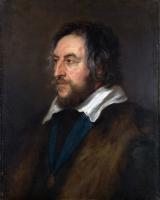

On 25th February 1601 Robert Devereux 2nd Earl Essex [aged 35] was beheaded at Tower Green, Tower of London [Map] as a consequence of his involvement in the Essex Rebellion. Earl Essex, Viscount Hereford, Baron Bourchier and Baron Ferrers of Chartley forfeit. He was the last person to be executed at the Tower of London. It isn't clear whether his other titles Viscount Hereford, Baron Ferrers of Chartley and Baron Bourchier were forfeit.


On 16th November 1601 Charles Neville 6th Earl of Westmoreland [aged 59] died at Nieuwpoort penniless and largely forgotten. He had been attainted in 1571 hence his title Earl of Westmoreland was forfeit. Raby Castle, County Durham [Map] was taken into Royal custody.

On 12th May 1641 Thomas Wentworth 1st Earl Strafford [aged 48] was beheaded at Tower Hill [Map]. Earl Strafford, Viscount Wentworth, Baron Wentworth, Baronet Wentworth of Wentworth Woodhouse in Yorkshire forfeit. His execution was attended by an enormous crowd.
Wenceslaus Hollar [aged 33]. Engraving of the execution of Thomas Wentworth 1st Earl Strafford marked as C with James Ussher [aged 60] marked as A.
Before 15th July 1685 James Scott 1st Duke Monmouth 1st Duke Buccleuch [aged 36] was attainted; Duke Monmouth, Earl Doncaster, Baron Scott of Tynedale, Duke Buccleuch, Earl Dalkeith, Baron Scott of Whitchester and Eskdale forfeit. The Act of Parliament Act of Attainder, 1 Ja. 2. c. 2: "Whereas James Duke of Monmouth has in an hostile Manner Invaded this Kingdom and is now in open Rebellion Laying War against the King contrary to the Duty of his Allegiance, Be it enacted by the Kings most Excellent Majesty by and with the Advice and Consent of the Lords Spiritual and Temporal and Commons in this Parliament assembled and by the Authorities of the same, That the said James Duke of Monmouth Stand and be Convicted and Attainted of High-Treason and that he suffer Paines of Death and Incurr all Forfeitures as a Traitor Convicted and Attainted of High Treason."


On 23rd July 1694 Charles Middleton 2nd Earl Middleton [aged 44] was tried, in absentia, for treason and outlawed. He was attainted on 2nd July 1695. Earl Middleton forfeit.
The 1715 Battle of Preston was the final action of the 1715 Jacobite Rebellion. It commenced on 9th November 1715 when Jacobite cavalry entered Preston, Lancashire [Map]. Royalist troops arrived in number over the next few days surrounding Preston forcing the Jacocobite surrender. 1463 were taken prisoner of which 463 were English. The Scottish prisoners included:
George Seton 5th Earl of Winton [aged 38]. The only prisoner to plead not guilty, sentenced to death, escaped from the Tower of London [Map] on 4th August 1716 around nine in the evening. Travelled to France then to Rome.
On 24th February 1716 William Gordon 6th Viscount Kenmure [aged 44] was beheaded on Tower Hill [Map].
On 9th February 1716 William Maxwell 5th Earl Nithsale was sentenced to be executed on 24th February 1716. The night before his wife [aged 36] effected his escape from the Tower of London [Map] by exchanging his clothes with those of her maid. They travelled to Paris then to Rome where the court of James "Old Pretender" Stewart [aged 27] was.
James Radclyffe 3rd Earl Derwentwater [aged 26] was imprisoned in the Tower of London [Map]. He was examined by the Privy Council on 10th January 1716 and impeached on 19th January 1716. He pleaded guilty in the expectation of clemency. He was attainted and condemned to death. Attempts were made to procure his pardon. His wife Anna Maria Webb Countess Derwentwater [aged 24], her sister Mary Webb [aged 21] [Note. Assumed to be her sister Mary], their aunt Anne Brudenell Duchess Richmond [aged 45], Barbara Villiers 1st Duchess of Cleveland appealed to King George I [aged 55] in person without success.
On 24th February 1716 James Radclyffe 3rd Earl Derwentwater was beheaded on Tower Hill [Map]. Earl Derwentwater, Baronet Radclyffe of Derwentwater in Cumberland forfeit.
William Murray 2nd Lord Nairne was tried on 9th February 1716 for treason, found guilty, attainted, and condemned to death. He survived long enough to benefit from the Indemnity Act of 1717.
General Thomas Forster of Adderstone [aged 31] was attainted. He was imprisoned at Newgate Prison, London [Map] but escaped to France.
On 14th May 1716 Henry Oxburgh was hanged, drawn and quartered at Tyburn [Map]. He was buried at Church of St Gile's in the Fields. His head was spiked on Temple Bar.
The trials and sentences were overseen by the Lord High Steward William Cowper 1st Earl Cowper [aged 50] for which he subsequently received his Earldom.
Become a Member via our Buy Me a Coffee page to read more.
On 5th May 1760 Laurence Shirley 4th Earl Ferrers [aged 39] was hanged at Tyburn [Map] (the last peer to be hanged) for having shot his old family steward. Earl Ferrers, Baronet Shirley of Staunton Harold in Leicestershire forfeit.